
Buying a Used Car: Interior Checklist
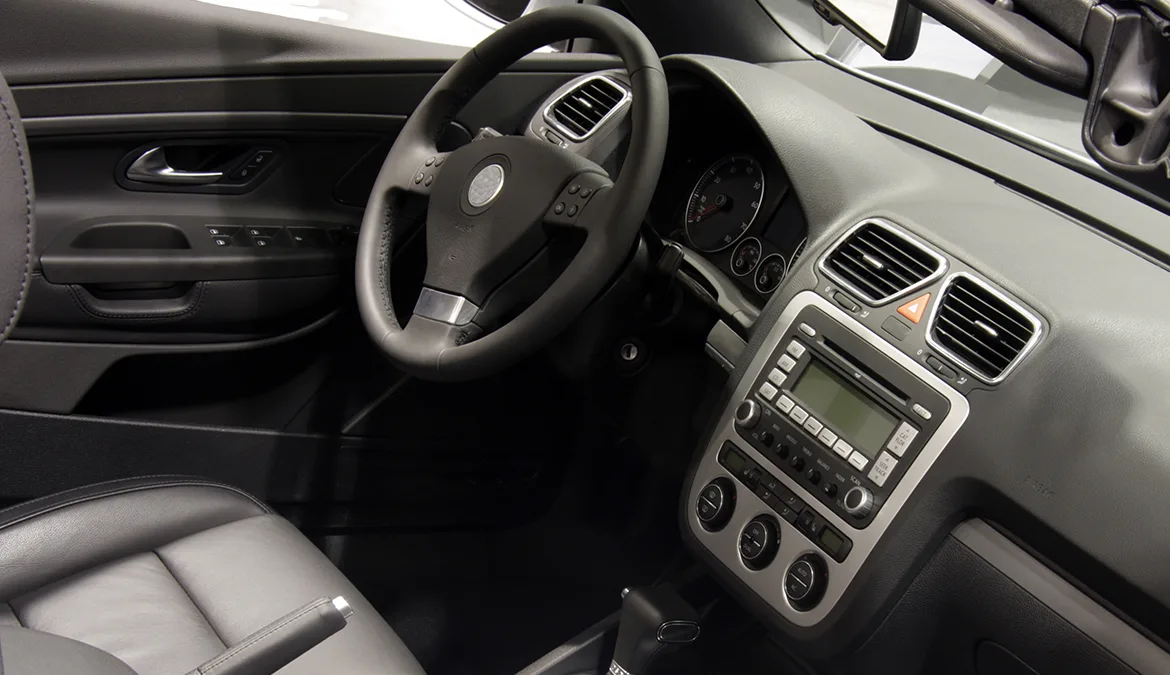
You can learn a lot about a car and identify potential issues by inspecting its interior. From signs of leaks to possible structural damage, here’s a list of things to look for when inspecting the interior of a used vehicle.
Odor
As soon as you open the door, check for any unusual odors. Does it smell acrid or like cigarettes? Does it smell musty or moldy? Or does it smell like someone recently sprayed air freshener or perfume? These odors may indicate an attempt to mask an unpleasant smell, as a car’s interior should generally have a neutral scent.
Seats and Upholstery
Start with the seats. Look for tears, rips, or scuffs in the upholstery, especially on leather seats. Make sure there are no wet spots, as they could indicate a roof leak. Don’t just check the driver’s seat; inspect the passenger and rear seats as well.
Check that the seats move freely. If they are power seats, make sure they adjust in every direction using the controls. Properly functioning seat adjustments help you maintain a safe and comfortable driving position.
Make sure the seatbelts work properly, too. Check the straps, buckles, and retractors, and inspect them carefully for signs of damage or excessive wear.
Floormats
Pull up the floor mats on both the driver’s and passenger’s sides. Check for wet spots to make sure there are no leaks from the roof or, on the passenger side, the heater core. It’s also a good idea to check for soft spots in the floor, as these could indicate rust or corrosion.
Look at the pedals as well. While pedal wear alone isn’t a definitive indicator of mileage, compare their condition with the vehicle’s reported mileage. If the seller claims the car has 40,000 miles but the pedals show significant wear, it could be a sign of odometer fraud. On a lower-mileage vehicle, the pedal surfaces should generally show less wear, with the rubber intact and no excessive metal wear.
Trunk
Look inside the trunk for pooling water or wet spots, which could indicate leaks. If the vehicle has a spare tire well, check it for water as well. Make sure the area around the spare tire well shows no signs of damage. A bent or damaged well can be difficult to repair and may indicate that the vehicle was involved in a rear-end collision.
Electronics
Check all the electronics. If the vehicle has a key fob, make sure all the buttons work, including lock, unlock, and alarm. Then, put the key in the ignition and turn it without starting the vehicle. The instrument cluster should respond, with the indicators turning on for a few seconds.
Make sure all the lights and power accessories work properly, including the power seats, windows, and sunroof. If the car has a sound system, turn it on to make sure it works and the speakers sound clear. If it has a touchscreen display, test its buttons and functions. For a sunroof, check around the edges for moisture or signs of water damage, and open and close it to make sure it seals properly.
Turn on the AC and listen for the compressor to engage. Make sure the air is blowing cold once the system is operating normally. If someone says the “air conditioner needs a charge,” keep in mind that low refrigerant may indicate a leak in the system rather than simply needing a refill.
Turn on the heater as well and make sure it blows warm air.
Exterior
Although this post focuses mainly on the vehicle’s interior, there are a few things to check on the exterior as well, aside from any obvious damage. Check the gaps between the doors, trunk, hood, and other body panels. They should be even and consistent. Uneven or changing gaps may indicate previous accident damage or frame issues.
You can also bring a magnet to check for body filler, as materials such as Bondo and JB Weld are not magnetic. If an area of the exterior appears repaired, place the magnet against it. If it does not stick, the area may have been repaired with body filler.
Before inspecting the vehicle, research common issues associated with that make and model. If possible, bring a mechanic or someone knowledgeable about cars with you.
You can also get a ClearVIN VIN Check Report or perform a license plate number lookup to learn more about the vehicle’s history.
Check out available vehicles at AutoBidMaster and put your inspection skills to use.
- The Advantages of Salvage Car Parts - November 3, 2025
- Buying Salvage Cars: What to Expect on Auction Day - May 22, 2025
- Is Buying a Hail-Damaged Car Worth It? A Detailed Guide - December 2, 2024