
All You Need to Know About the 2021 BMW M3
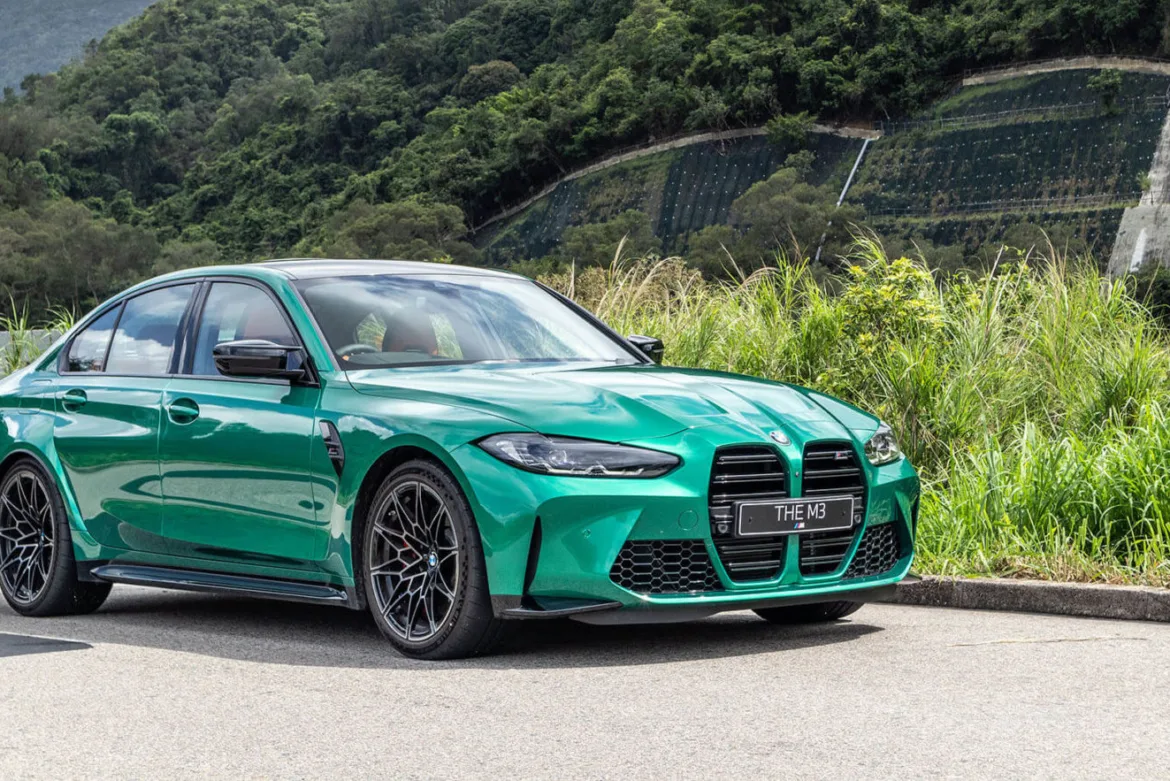
Table of Contents
The BMW M3 series features some of the most celebrated performance-oriented sedans to have hit American roads. The German automaker introduces new updates with each generation of the M3, and the same holds true for the sixth-generation 2021 BMW M3.
The performance sedan received a design facelift, along with significant performance upgrades, a more advanced interior, and an updated twin-turbocharged engine. Even several years after its debut, the 2021 M3 remains an appealing option for drivers looking for a combination of everyday practicality and serious performance.
Continuing on the subject, we’re sharing an overview of the 2021 BMW M3, including its design, interior, performance, and a few things worth checking before buying a used model. Read on.
Design
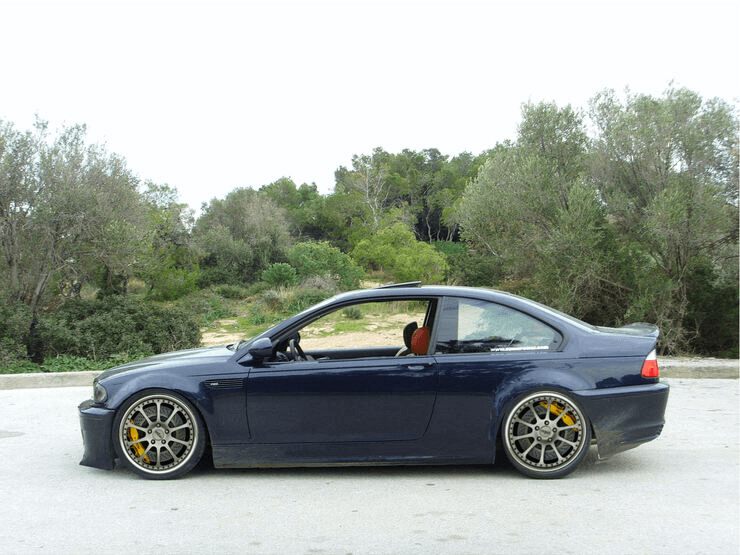
Available as a compact four-door sedan, the 2021 M3 features a rear trunk spoiler, flared fenders, and quad exhaust tips, which all come together to lend it a sporty and muscular appeal.
When it comes to the M3’s front fascia, the biggest standout is the large vertical kidney grille, which sets it apart from standard 3 Series models. The trunk lid and slim taillights, however, bear a close resemblance to those of the regular 3 Series.
The sixth-generation M3 also features a wider, more aggressive stance and several functional aerodynamic elements designed to support its performance capabilities.
Compared to the previous generation, the 2021 M3 is approximately 4.6 inches longer, 0.4 inches wider, and 0.1 inches taller. Its wheelbase also increases by 1.8 inches.
The low and wide stance naturally adds to the vehicle’s sporty appearance and contributes to its driving dynamics.
Other noteworthy exterior features include M-specific bumpers, large air intakes, lightweight alloy wheels, and a carbon-fiber roof.
Interior
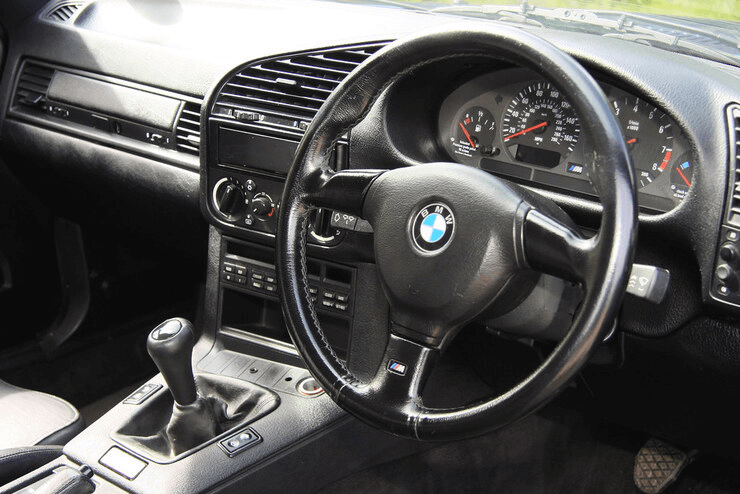
The 2021 M3’s interior features premium cabin materials and more physical buttons than some of its rivals.
The car also comes with a fully digital gauge cluster, a range of available driver-assistance features, and an M-specific steering wheel. The horizontal dashboard layout is another noteworthy aspect.
While several interior elements on the M3 are borrowed from standard 3 Series models, BMW has added a few cool touches, such as red M-badged buttons on the steering wheel, a distinctive red engine start/stop button, and M-specific displays.
The front seats are designed to provide support during spirited driving while remaining comfortable enough for everyday use. Buyers could also choose optional M Carbon bucket seats for a more performance-focused cabin.
Despite its sporty character, the M3 remains a practical four-door sedan with seating for five and a usable trunk. This makes it an interesting option for drivers who want a performance car without giving up everyday convenience.
Performance
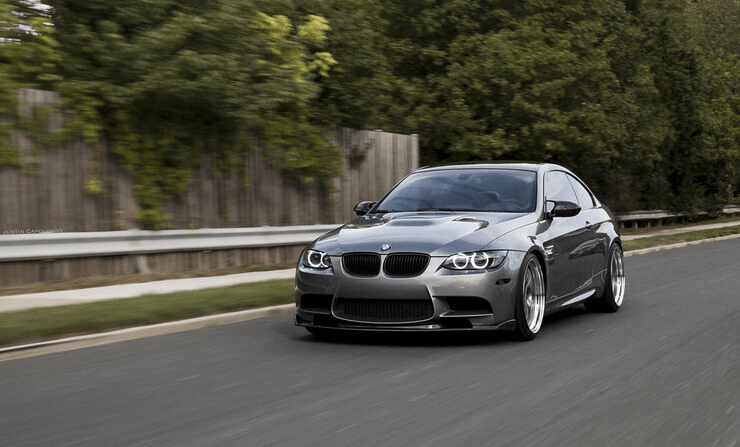
The 2021 M3 is powered by a 3.0-liter, twin-turbocharged S58 inline-six engine, paired with a six-speed manual or an eight-speed automatic transmission, depending on the variant.
Available in two main versions, the standard M3 and M3 Competition, the former produces 473 horsepower and 406 lb-ft of torque, whereas the latter produces 503 horsepower and 479 lb-ft of torque.
The standard M3 can go from a complete standstill to 60 mph in 4.1 seconds, whereas the M3 Competition, owing to its higher power output, needs just 3.8 seconds to hit the 60 mph mark.
For the U.S. market, the 2021 M3 and M3 Competition initially featured rear-wheel drive. The standard model came with a six-speed manual transmission, while the Competition used an eight-speed automatic.
The M3 Competition xDrive, featuring BMW’s M-specific all-wheel-drive system, arrived for the 2022 model year.
2021 BMW M3 vs. M3 Competition: Key Specifications
| Specification | 2021 BMW M3 | 2021 BMW M3 Competition |
|---|---|---|
| Engine | 3.0L twin-turbo inline-six | 3.0L twin-turbo inline-six |
| Horsepower | 473 hp | 503 hp |
| Torque | 406 lb-ft | 479 lb-ft |
| Transmission | 6-speed manual | 8-speed automatic |
| Drivetrain | Rear-wheel drive | Rear-wheel drive |
| 0–60 mph | 4.1 seconds | 3.8 seconds |
| Top speed | 155 mph | 155 mph |
Figures reflect BMW’s published U.S. specifications. The optional M Driver’s Package increased the electronically limited top speed to 180 mph.
Both versions offer impressive acceleration, responsive handling, and the distinctive character that has made the M3 popular among performance-car enthusiasts.
The standard M3 appeals to drivers who prefer the engagement of a manual transmission, while the Competition delivers additional power and the convenience of an automatic.
Is the 2021 BMW M3 a Good Used Car?
The 2021 BMW M3 remains an attractive option for anyone looking for a powerful sports sedan with a practical four-door body.
Its twin-turbocharged engine, well-equipped interior, and performance-oriented chassis make it suitable for both everyday driving and more spirited use.
That said, buying a used performance car requires a little extra attention.
These vehicles can experience more demanding driving conditions than ordinary sedans, and maintenance and replacement parts can be expensive.
A well-maintained example can be appealing, but its service history, accident history, and current mechanical condition are especially important.
What to Check Before Buying a Used or Salvage BMW M3
If you’re considering a 2021 BMW M3 at an auction, there are a few things worth reviewing before placing a bid.
Vehicle history: Check for previous accidents, title branding, flood exposure, and available maintenance records. A vehicle history report can provide useful information, although it may not reveal every incident.
Engine and transmission: Look for signs of oil or coolant leaks, unusual noises, warning lights, and evidence of previous modifications. Pay attention to the transmission’s condition and any available service information.
Suspension and wheels: The M3’s performance-focused suspension and low-profile tires make it important to inspect the wheels, tires, suspension components, and alignment-related damage.
Body and structural damage: Review the bumpers, fenders, underbody, and visible structural components. Even relatively minor-looking exterior damage may hide more expensive repairs.
Electronics and safety systems: Check the available information about airbags, sensors, driver-assistance equipment, and dashboard warning lights. These components can be costly to repair or replace.
Recalls: Check the vehicle’s VIN for outstanding safety recalls before buying. Recall applicability varies by vehicle, so it’s important to verify the specific car rather than relying only on its model year.
If possible, arrange an independent inspection before bidding. The more you know about the vehicle’s condition, the easier it becomes to estimate repair costs and decide how much you’re comfortable spending.
Summing Up
BMW made significant changes to the sixth-generation M3, giving it a more aggressive design, an upgraded interior, and two powerful variants. The introduction of M xDrive on the subsequent M3 Competition xDrive further expanded the model’s appeal.
For drivers looking to combine performance with everyday practicality, the 2021 BMW M3 remains a compelling option.
AutoBidMaster features an extensive inventory of salvage cars for sale, featuring vehicles from a wide range of makes and models.
If you’re looking to bring home your dream car without burning a hole in your pocket, AutoBidMaster’s USA car auctions are worth exploring. Just remember to account for auction fees, transportation, repairs, and other potential expenses when planning your budget.
Register today to get started.
To learn more about the salvage cars available in our inventory or for professional assistance, contact our Buyer Services team.

- The Advantages of Salvage Car Parts - November 3, 2025
- Buying Salvage Cars: What to Expect on Auction Day - May 22, 2025
- Is Buying a Hail-Damaged Car Worth It? A Detailed Guide - December 2, 2024