
Indispensable RV Buying Tips
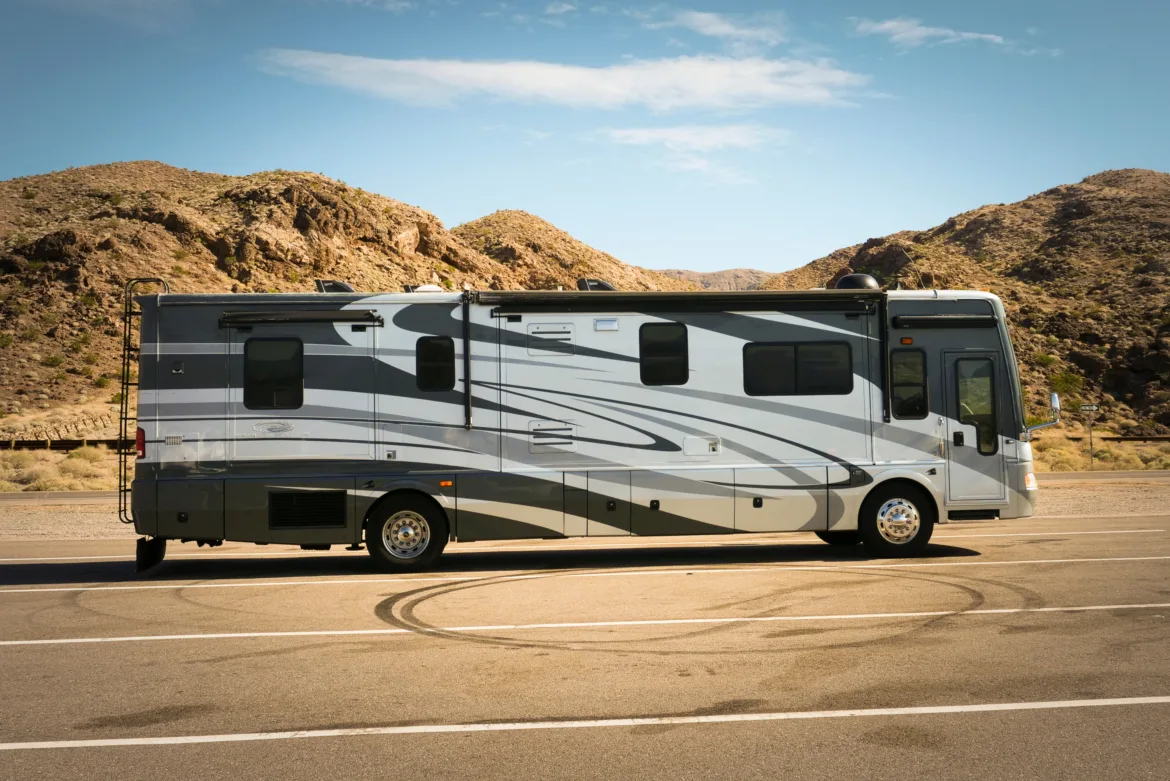
Buying an RV is like buying a second home that you can not only live in, but also take down open highways and spend time being one with nature.
If you want to buy an RV but money is a constraint, you can participate in salvage RV auctions at AutoBidMaster to find more options at lower prices. That said, buying an RV can be tricky, especially if you’re making your first purchase. That’s why in this blog post, we present some indispensable RV buying tips to help you get the most from your purchase.
Don’t Rush Into a Buying Decision
Once you have made a buying decision and start exploring your options, it can be quite easy to focus on the low prices of the RVs for sale featured in our inventory.
Before you bid, take time to evaluate your options and make your final choice after considering key factors such as size, age, features, body type, suitable road conditions, and similar aspects.
Think about how you plan to use the RV. A vehicle for occasional weekend trips may have different requirements than one intended for long-distance travel or extended stays.
Inspect the RV Regularly
Because most RVs aren’t used frequently, many early signs of trouble go unnoticed. That’s why it’s important to inspect the RV periodically, or hire a professional if you lack the know-how.
Keep in mind that even small problems that seem insignificant early on can become a sizable expense if ignored for too long. Pay particular attention to the roof, seals, windows, plumbing, electrical systems, tires, and other components that can deteriorate while an RV is sitting unused.
Also Read: Used RV Parts for Affordable Repairs
Check for Water Damage
Water damage is one of the most important things to look for when buying an RV. Check the roof, ceiling, walls, floors, windows, and seals for signs of leaks or moisture. Stains, soft spots, discoloration, musty odors, or signs of previous repairs can indicate water intrusion.
If you are considering a salvage RV, pay close attention to the reported damage and auction photographs. Flood or water damage can affect both the vehicle itself and the living area, including electrical and plumbing components.
Review the Title and Vehicle History
Before buying an RV, review the available title and vehicle history information. A salvage or branded title can affect registration and insurance requirements, depending on the state where you plan to register the RV.
If you are buying a salvage RV, check what inspections, documentation, or other requirements may apply after repairs. Also review the VIN, reported damage, mileage, photographs, and other available vehicle information before placing a bid.
Factor in Secondary Costs
Buying an RV is just one part of the expense, especially if you are planning to buy a salvage RV for sale and use it as a home. That’s because, besides the initial restoration cost, you also need to factor in additional costs such as insurance.
If you plan to use your RV as a residence, consider more substantial coverage than basic vehicle insurance, which will likely cost more.
Other costs may include transportation, repairs, registration, storage, regular maintenance, and campsite or utility expenses. Consider these costs before deciding how much you are prepared to spend on the RV itself.
What to Check Before Buying an RV
The following checklist can help you evaluate an RV before making a purchase:
| Factor | What to check |
|---|---|
| Size and layout | Make sure the RV has enough sleeping, living, and storage space for your intended use. |
| Age and condition | Review the vehicle’s age, mileage, overall condition, and signs of wear. |
| Water damage | Check the roof, ceiling, walls, floors, windows, and seals for leaks or moisture. |
| Mechanical condition | For motorized RVs, check the engine, transmission, brakes, suspension, and tires. |
| Electrical system | Check batteries, wiring, outlets, lighting, and the generator, if equipped. |
| Plumbing | Inspect the fresh-water, gray-water, and black-water systems for leaks or damage. |
| Appliances | Check the refrigerator, heating and air conditioning, stove, water heater, and other appliances. |
| Title and history | Review the title type, VIN, reported damage, and available vehicle history. |
| Insurance | Check whether suitable insurance is available and estimate the cost. |
| Storage | Determine where you will store the RV when it is not in use. |
What to Consider When Buying a Salvage RV
Buying a salvage RV requires additional research because the vehicle may need significant repairs before it can be used. Before placing a bid, review the reported damage and determine whether the required repairs fit your budget and capabilities.
If possible, arrange for a professional inspection. An experienced RV inspector or mechanic can identify problems that may not be obvious from photographs or an auction description.
You should also check your state’s requirements for registering a repaired salvage RV. Requirements can vary by title brand and type of damage.
Frequently Asked Questions
What should I check before buying an RV?
Consider the RV’s size, layout, age, condition, title, and vehicle history. Check for water damage and inspect the mechanical, electrical, plumbing, and interior systems. Also estimate repair, transportation, insurance, registration, storage, and maintenance costs before you buy.
How do I check an RV for water damage?
Inspect the roof, ceiling, walls, floors, windows, and seals for stains, discoloration, soft spots, moisture, or musty odors. Pay attention to areas around vents and other openings where water can enter. A professional inspection can provide a more detailed assessment.
Should I get an RV inspected before buying?
A professional inspection can identify mechanical, structural, electrical, plumbing, and water-related problems that may not show up in photographs. An inspection can be particularly useful when buying an older or salvage RV and can help you estimate potential repair costs.
Is buying a salvage RV different from buying a used RV?
Yes. A salvage RV may have significant damage and can require repairs before it is ready for use. Buyers should review the damage and title information, estimate restoration and transportation costs, and check their state’s requirements for registering the repaired vehicle.
What are the secondary costs of owning an RV?
Beyond the purchase price, RV owners may need to budget for repairs, maintenance, insurance, registration, fuel, storage, transportation, campsite fees, and utilities. Actual costs depend on the RV, how often you use it, and where you store and operate it.
What should I check on a salvage RV title?
Check the title type and any damage designation, along with the VIN and available vehicle history. If the RV has a salvage title, check your state’s requirements for inspections, repairs, documentation, and registration before purchasing it.
Final Words
Buying an RV requires careful consideration of the vehicle’s condition, intended use, and total cost of ownership. You can explore a wide array of RVs for sale through AutoBidMaster, but be sure to review the available vehicle information and consider potential repair and ownership costs before bidding.
Register today to start participating in our online salvage RV auctions. If you have questions about any motorhomes for sale in our inventory, call +1 (503) 298-4300 or email us at hello@autobidmaster.com.
- The Advantages of Salvage Car Parts - November 3, 2025
- Buying Salvage Cars: What to Expect on Auction Day - May 22, 2025
- Is Buying a Hail-Damaged Car Worth It? A Detailed Guide - December 2, 2024