
blog

Tips to Repair a Water-Damaged Vehicle
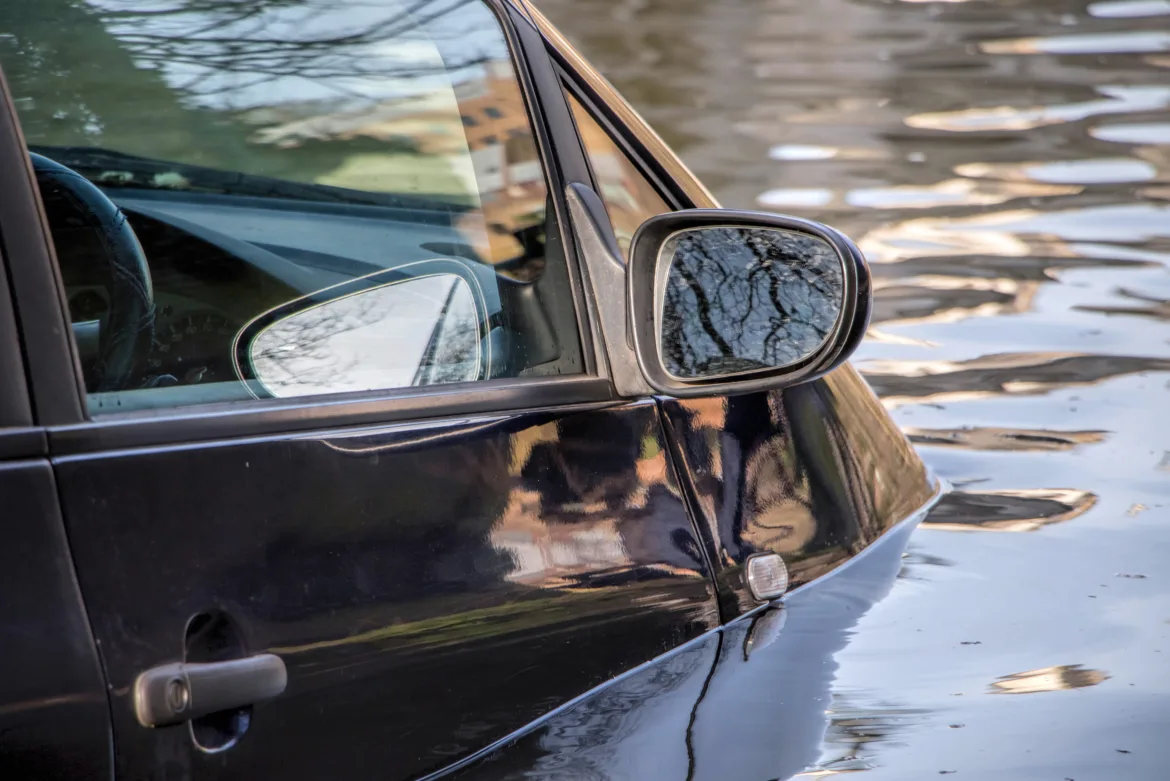
Tips to Repair a Water-Damaged Vehicle

Key Takeaways

  • Do not try to start a flooded vehicle before it has been thoroughly inspected and dried.
  • Remove standing water as quickly as possible to limit further damage.
  • Take out wet mats, seat covers, and removable upholstery to reduce the risk of mold.
  • Electrical systems, the engine, transmission, and interior components may all require inspection.
  • Heavily flooded vehicles may not always be practical or economical to restore.


No matter how carefully we maintain our vehicles, severe weather and flooding can still cause significant damage. Some water-damaged vehicles can be restored, although the work is often best left to professionals.

If you have the skills and resources needed to restore a water-damaged car, this article covers several important steps to consider. Read on for tips on restoring water-damaged vehicles.

NOTE: Repairing a water-damaged vehicle requires technical knowledge and can involve electrical, mechanical, and safety risks. Do not attempt repairs unless you understand the vehicle’s components and know how to work with them safely.


Area to Check Why It Matters
Engine Water in the cylinders can cause hydrolock and serious engine damage.
Electrical system Floodwater can damage wiring, connectors, sensors, and control modules.
Transmission Water contamination can affect transmission components and fluids.
Interior Wet carpets, mats, and upholstery can lead to mold and mildew.
Fluids Engine oil, transmission fluid, brake fluid, and other fluids may need to be checked for contamination.

Don’t Try to Start the Car

When a car has been exposed to flooding, one of the most important things to avoid is starting it before it has been properly inspected and dried.

Trying to start a water-damaged car can cause electrical short circuits and may damage important components, including the engine and transmission. If water has entered the engine cylinders, attempting to start the vehicle may result in hydrolock, a condition in which the engine cannot rotate normally because liquid is preventing the pistons from moving.

Drain the Water as Quickly as Possible

The longer water remains inside the vehicle, the greater the risk of additional damage.

Start by opening the doors and removing as much standing water as possible. A wet/dry vacuum designed to handle liquids can help remove residual water from the interior.

If you use electrical equipment around a wet vehicle, follow the manufacturer’s safety instructions and make sure the equipment is suitable for use with liquids.

Remove the Mats and Upholstery

If the car has been heavily flooded, mold and mildew can begin to develop quickly.

Remove the mats, seat covers, and other removable upholstery where possible. Clean and disinfect them thoroughly before allowing them to dry completely.

After removing the wet interior materials, keep the windows open in a safe, dry environment to improve airflow. Fans can also help circulate air when natural ventilation is limited.

Final Thoughts

So, should you repair a water-damaged car? The steps above can help with the early stages of restoring a mildly flooded vehicle. Cars with extensive water damage, however, may require significant professional repairs and may not always be economical to restore.

Heavily water-damaged vehicles may instead be used as donor cars for parts or eventually recycled.

If you are looking for water-damaged cars for sale, you can browse available vehicles through AutoBidMaster. Review the vehicle information carefully before bidding and consider the likely repair costs before making a decision.

If you have any questions, call +1 (503) 298-4300, Monday through Friday, 04:00 AM to 04:00 PM Pacific Time.

Sources used:

  • AutoBidMaster — Water-Damaged and Flood-Damaged Vehicles
  • NHTSA — Flood-Damaged Vehicles and Vehicle Safety
  • FEMA — Flood Safety and Vehicle Damage Guidance

AutoBidMaster Staff Writer
Latest posts by AutoBidMaster Staff Writer (see all)