
Tips to Prepare Your Car for Fall and Cold Weather
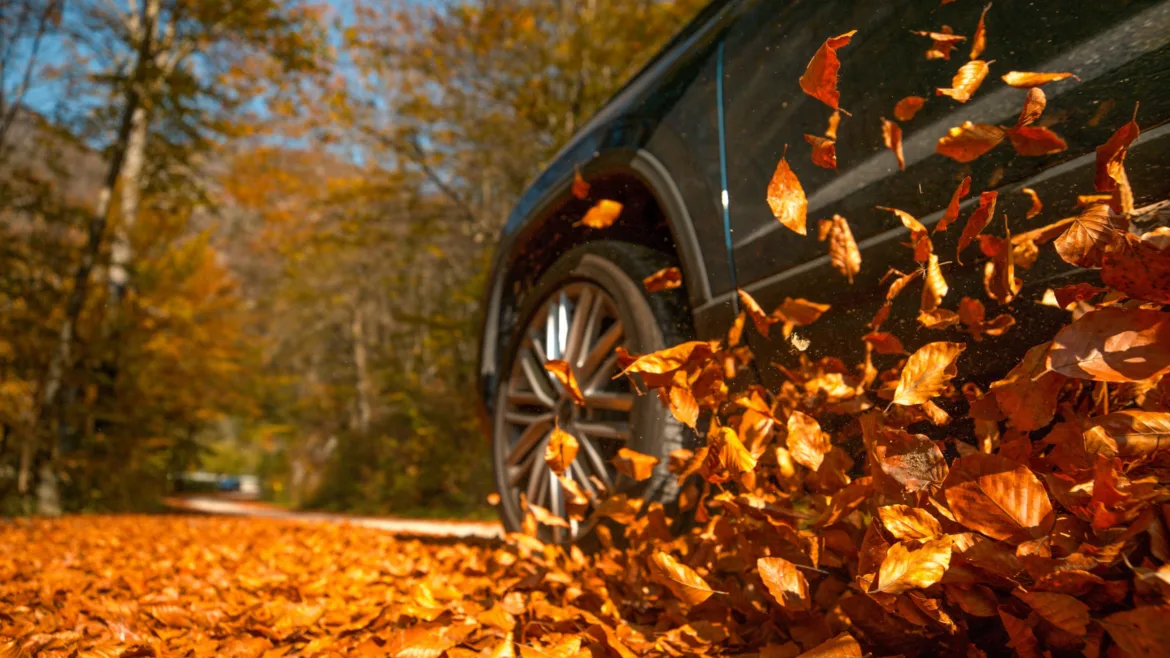
The good news is that many fall maintenance checks are simple enough to handle yourself, while more serious issues may require a professional inspection. Below, we cover the key areas to check before the season changes.
Fall Car Maintenance Checklist
|
Area to Check |
What to Look For |
Why It Matters |
|
Tires |
Tread depth, pressure, visible damage |
Colder weather affects tire pressure and traction |
|
Battery |
Corrosion, terminals, battery condition |
Cold temperatures can make starting harder |
|
Fluids |
Coolant, engine oil, washer fluid, brake fluid, transmission fluid |
Helps prevent cold-weather issues |
|
Wipers |
Wiper blades and washer fluid |
Important for rain, snow, and road spray |
|
Lights |
Headlights, brake lights, turn signals |
Shorter daylight means more nighttime driving |
|
Brakes |
Pads, rotors, brake fluid |
Important for wet, icy, or slippery roads |
|
Belts & hoses |
Cracks, fraying, leaks, swelling |
Can indicate wear that may worsen over time |
Tires and Brakes
Maintaining the right tire pressure is extremely important for safe driving, especially during colder seasons, as tire pressure decreases when temperatures drop. Similarly, inspect the brakes for signs of wear or other problems, as wet, snowy, or icy roads can make it harder to stop safely. Look over the tires and brakes and address any issues you find.
Battery
A weak or aging battery may have more difficulty starting your car in low temperatures. Before fall and winter arrive, look for signs of corrosion or damage on the battery and make sure the terminals are clean and secure. If your battery is several years old or you notice slow engine cranking, have a qualified mechanic test it and replace it if necessary.
Fluid Levels
Maintaining the right fluid levels is essential to keep your car running smoothly, and this becomes even more important as temperatures drop. Before the fall season begins, inspect the levels of the fluids your car uses, including engine oil, windshield washer fluid, transmission fluid, brake fluid, coolant, and power steering fluid, where applicable. If you lack the expertise to do it yourself, take your car to a service center or have a qualified mechanic check it.
Electrical Systems
Your car’s electrical systems, especially the heating system, should be working properly before winter arrives. In addition, make sure other systems and components are ready for frequent use in fall and winter, including the defroster, lights, and wipers.
Belts and Hoses
Existing cracks or leaks in your car’s belts and hoses can lead to bigger problems over time. That’s why it is important to look for noticeable cracks, leaks, or wear, and make sure there is no splitting, fraying, or glazing. If any belt or hose is cracked or visibly worn, replace it as soon as possible.
Other Things to Keep in Your Car
Keep a few basic items in your car before freezing temperatures arrive, including an ice scraper, snow brush, and emergency kit. Depending on where you drive, the kit may include jumper cables, a flashlight, gloves, blankets, water, and basic first-aid supplies.
When to See a Mechanic
Some seasonal maintenance checks are easy to handle yourself, but certain issues require professional attention. Consider taking your car to a qualified mechanic if you notice:
- Cracked, frayed, or visibly damaged belts or hoses
- Fluid leaks or unusually low fluid levels
- Slow engine cranking or other signs of a weak battery
- Uneven tire wear or damaged tires
- Brake grinding, squealing, pulling, or reduced braking performance
- A heating or defroster system that does not work properly
- Dashboard warning lights or other unusual vehicle behavior
Wrap Up
When it comes to maintaining your car, you just can’t leave any of the boxes unchecked. Before the season changes, make sure your car is in good condition and ready for the months ahead.
If you are still looking to buy a car or add to your collection, AutoBidMaster has got you covered. Our salvage car auctions run year-round. Browse one of the largest auto auction inventories in North America and register to start bidding.
If you have any questions about our salvage car auctions, simply call +1 (503) 298-4300, Mon–Fri, 6 a.m. to 4 p.m. (GMT-8:00), or email hello@autobidmaster.com.

- The Advantages of Salvage Car Parts - November 3, 2025
- Buying Salvage Cars: What to Expect on Auction Day - May 22, 2025
- Is Buying a Hail-Damaged Car Worth It? A Detailed Guide - December 2, 2024