
Top 10 Police Vehicles: Best Cars for Law Enforcement Duties
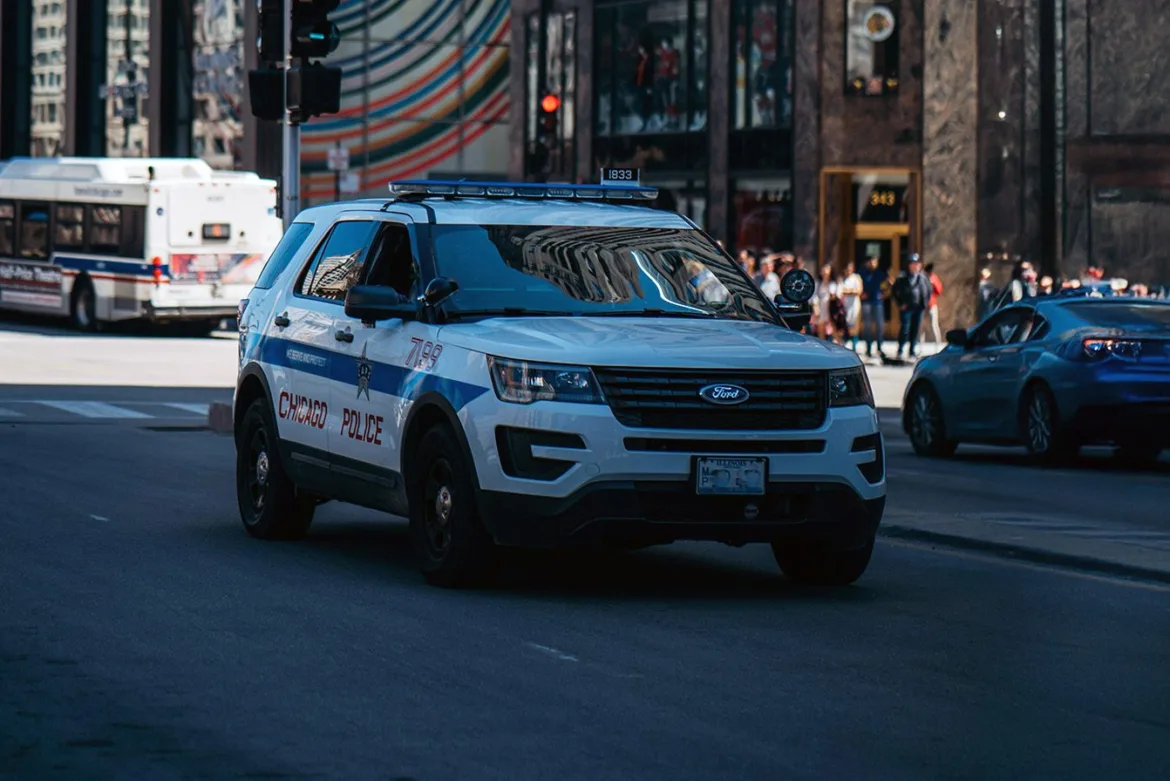
Some cars are built to sell. Police vehicles are built to survive. American police cars operate under extreme conditions — long idle periods, repeated high-speed pursuits, and years of continuous duty. That kind of use leaves a mark and creates one of the most interesting corners of the used-car market.
This is a look at the top law enforcement cars commonly seen in U.S. police fleets and auction listings. We’ll cover what each one does well, what separates a real pursuit vehicle from a sedan with a light bar, how departments decide what to buy, and how you can acquire one of these machines at auction without getting burned.
Key Takeaways
- The Ford Police Interceptor Utility is the most common police SUV in the country, and it now comes standard with a hybrid powertrain.
- Real pursuit vehicles differ mechanically from civilian models. Think heavy-duty alternators, bigger cooling systems, and upgraded brakes.
- The Michigan State Police and the Los Angeles County Sheriff’s Department both run yearly fleet tests measuring acceleration, top speed, braking, and lap times.
- The Dodge Challenger is among the most powerful police vehicles, producing up to 485 horsepower from a 6.4L HEMI V8.
- Engine idle hours often matter more than mileage. A common fleet estimate equates one idle hour to roughly 30–35 miles of engine wear.
- Retired cruisers often sell at auction for 30 to 50 percent below their original fleet cost.
- A fleet history report and a mechanic’s inspection are not optional. They are the difference between a bargain and a money pit.
More Than Just a Paint Job: What Makes a Real Police Interceptor?
Remove the decals and light bar, and a top Police Pursuit Vehicle (PPV) or Special Service Vehicle (SSV) is still mechanically very different from its civilian counterpart. Manufacturers build these packages from the ground up. Key components include:
- Heavy-duty alternators. A police patrol car runs radar, cameras, a computer, a radio, and emergency lights all at once. A normal alternator can’t handle that load. Police units use higher-capacity systems, so nothing fails during a stop.
- Bigger cooling systems. Cruisers idle a lot. Traffic stops, paperwork, stakeouts, all engine-on, all stationary. Standard radiators can’t handle that kind of load. Police cooling packages use larger radiators and tougher thermostats.
- Reinforced suspension. Stiffer springs, heavy-duty shocks, beefier sway bars. Pursuit driving puts a serious load on the chassis, and these parts keep the car planted at speed.
- Upgraded brakes. Bigger rotors, performance pads. When you repeatedly brake from triple-digit speeds, factory brakes fade fast.
- Higher top-speed limiter. Most consumer cars cap out electronically around 110 to 130 mph. Pursuit-rated models have different speed ratings, tires, cooling, brakes, and calibrations than civilian versions.
- Ballistic door panels. Some agencies add ballistic door inserts or panels for added protection.
So when you buy a retired cruiser, you’re buying all of that engineering. That’s the appeal. It’s also why the wear question gets complicated, but more on that later.
The Top 10 Best Police Cars on the Road
The full lineup includes:
| Vehicle | Engine | HP | Drive | Role | Standout |
| Ford Police Interceptor Utility | 3.3L V6 Hybrid / 3.0L EcoBoost | 318 / 400 | AWD | Patrol / Pursuit | Hybrid, ballistic panels |
| Dodge Charger Pursuit | 5.7L HEMI V8 | 370 | RWD | Highway Pursuit | V8 muscle, reinforced frame |
| Chevrolet Tahoe PPV | 5.3L V8 | 355 | 4WD | Patrol / Transport | 75-mph crash test |
| Ford Crown Victoria PI | 4.6L V8 | 250 | RWD | Patrol (legacy) | Police car reliability and durability |
| Chevrolet Impala 9C1 | 3.6L V6 | 305 | FWD | Routine Patrol | Fuel economy |
| Dodge Durango Pursuit | 5.7L HEMI V8 | 360 | AWD | Pursuit / Terrain | AWD + HEMI |
| Ford Explorer PI | 3.0L EcoBoost V6 | 400 | AWD | Urban / Rural | 400 HP, SYNC3 |
| Chevrolet Silverado 1500 | 5.3L V8 | 355 | 4WD | Heavy-Duty Patrol | Truck utility |
| Dodge Challenger | 6.4L HEMI V8 | 485 | RWD | High-Speed Pursuit | Most powerful police car |
| Tesla Model S (experimental) | Dual electric | ~670 | AWD | Pilot programs | Electric, instant torque |
1. Ford Police Interceptor Utility
If you’ve seen a patrol SUV lately, it was likely this one. The Ford Police Interceptor Utility is the workhorse of American law enforcement, and it now leads its class with a hybrid powertrain that saves fuel during all that idling.
You get two engine choices: a 3.3L V6 hybrid making 318 horsepower, or a 3.0L EcoBoost V6 pushing 400. What sets it apart, though, is the gear. Ballistic door panels (where equipped). A Police Perimeter Alert that watches the car while an officer does paperwork. A Dark Car mode that shuts off all exterior lighting for covert work, and a manual pursuit mode that sharpens transmission response when things get fast.
Verdict: Best all-around police SUV. One vehicle that handles nearly every duty.
2. Dodge Charger Pursuit
The Dodge Charger Pursuit is the highway hunter, a rear-wheel-drive sedan built around a 5.7L HEMI V8 and 370 horsepower. State troopers love it for a reason. It’s fast, intimidating in the rearview mirror, and the reinforced frame and ballistic doors keep the officer protected in high-risk situations.
Inside, a large digital display (when equipped) provides officers with the readouts they need, and the trunk can accommodate a full equipment load. The Dodge Charger is one of the top-rated police cars you can buy at fleet pricing.
Verdict: The top police pursuit vehicle in the sedan category. Speed, presence, and V8 muscle in one package.
3. Chevrolet Tahoe PPV
Sometimes you need room, not just speed. That’s where the Chevrolet Tahoe PPV earns its spot among the most durable law enforcement cars on the road. A 5.3L V8 makes 355 horsepower, four-wheel drive handles weather and rough ground, and the cabin fits officers, gear, and detainees with room to spare.
It passed a 75-mph rear-impact crash test, features soft ballistic door panels (in some configurations), and comes with a rearview camera and braking assist. SWAT teams, canine units, and rural departments rely on it again and again.
Verdict: Best full-size tactical transport SUV. Pursuit capability with maximum capacity.
4. Ford Crown Victoria Police Interceptor
Ask anyone to picture a cop car. This is probably what they see. The Ford Crown Victoria Police Interceptor ruled American policing for decades. Ford ended production years ago, yet thousands still patrol streets or wait at auction, reflecting its long service history.
The 4.6L V8 makes a modest 250 horsepower, but the Crown Victoria was never about numbers. It was about lasting. Body-on-frame construction, a roomy cabin built for long shifts, and a platform every mechanic in the country knows by heart. Parts are everywhere. Repairs are cheap. That’s why it’s still one of the most widely used police vehicles you can buy.
Verdict: Best legacy buy — an icon with low upkeep and easy parts.
5. Chevrolet Impala 9C1
Not every patrol involves a chase. Most don’t, honestly. The Chevrolet Impala 9C1 was built for the everyday grind, with a 3.6L V6 making 305 horsepower and front-wheel drive that grips well in northern winters.
It brings stability control, ballistic doors, a comfortable interior, and fuel economy that V8 cruisers cannot match. For a city department watching its budget, that combination is hard to beat. Plenty have since retired, which makes the Impala one of the smarter best used police vehicles at salvage auctions.
Verdict: Best budget patrol car. Affordable and dependable for routine duty.
6. Dodge Durango Pursuit
The Dodge Durango Pursuit splits the difference. Smaller than a Tahoe, more capable than a Charger, it puts a 5.7L HEMI V8 and 360 horsepower into a mid-size SUV with standard all-wheel drive.
That means it withstands bad weather and rough terrain while still keeping up in a pursuit. Add a third-row seating option, real towing capacity, and pursuit-tuned stability control, and you’ve got a flexible vehicle for departments that want power without bulk.
Verdict: Best mid-size pursuit SUV. HEMI grunt and AWD in a tidier footprint.
7. Ford Explorer Police Interceptor
The Ford Explorer Police Interceptor shares the same platform as the Interceptor Utility but is configured differently, and the 3.0L EcoBoost V6 with 400 horsepower gives it real punch.
City streets or backcountry roads, it handles both. A 75-mph rear impact crash-tested design and ballistic door panels cover safety, while the SYNC3 system, GPS, and rearview camera keep the cabin modern. All-wheel drive rounds it out for year-round work.
Verdict: Best tech-forward mid-size SUV. High horsepower paired with a smart cabin.
8. Chevrolet Silverado 1500 Police Truck
Some jobs call for a bed and a tow hook. The Chevrolet Silverado 1500 Police Truck answers that need, making it the best police vehicle for agencies working in open country.
A 5.3L V8 puts down 355 horsepower, the frame is reinforced, and the doors carry ballistic panels. Then come the truck’s strengths: serious payload, strong towing, and available four-wheel drive for trails a sedan would never survive. Rural patrols, wildlife enforcement, and border units all rely on it.
Verdict: Best police pickup. The first call for rural and off-road duty.
9. Dodge Challenger
And here’s the heavyweight. The Dodge Challenger delivers 485 horsepower from a 6.4L HEMI V8, making it the most powerful vehicle on this list. Top speed in pursuit trim clears 150 mph.
This is a specialist tool, built for departments that need to pursue targets on open roads. Performance shocks keep it stable at speed, the frame is reinforced, and the doors provide ballistic protection. It is, plainly, one of the fastest police cars in service.
Verdict: Most powerful police car. Built for outright pursuit speed.
10. Tesla Model S (Experimental / Pilot Programs)
A handful of departments have tested the Tesla Model S, and the appeal is obvious: instant torque, very low running costs per mile, and near-silent operation. Low-2-second 0–60 times apply to high-performance civilian trims, and most law-enforcement builds are aftermarket conversions rather than factory police packages.
The limitation is the range. Emergency equipment, climate control, and onboard systems draw power even while idling, reducing real-world operating time compared to the rated figures. That’s why pilot programs stick to urban routes near chargers. It isn’t a finished answer yet, but it’s a real glimpse of where things may go.
Verdict: The electric experiment. Cheap to run and quick off the line, but still a pilot, not a standard.
The Evaluation Criteria: How Police Departments Choose Their Fleet
Marketing doesn’t sell a car to a police department. Data does. Two testing programs carry the most weight.
- Michigan State Police (MSP) Annual Evaluation. Since 1979, the MSP has put pursuit-rated vehicles through standardized testing at Grattan Raceway each year. It measures 0 to 60 mph, 0 to 100, quarter-mile speed, top speed, lap times, and braking distance. The results go public, and agencies across the country review them.
- Los Angeles County Sheriff’s Department (LASD) Evaluation. The LASD runs its own tests built around California patrol conditions, including real-world scenarios such as emergency lane changes and long, high-speed runs.
From there, every department weighs the numbers against its own reality. They also factor in:
- Total cost over a three to five-year fleet cycle
- Parts availability and how well local mechanics know the platform
- Officer feedback from the field
- Manufacturer support for upfitting and equipment
Pros and Cons of Owning a Former Police Vehicle
Retired cruisers are popular for solid reasons. They’re also not for everyone. Here’s the honest split.
| Pros | Cons |
| Heavy-duty mechanical upgrades built in | High idle hours hide real wear |
| Reinforced frames and ballistic doors | Interiors are worn hard |
| Big cargo space for gear | May have pursuit accident history |
| Often well-maintained under fleet programs | Limited colors, usually white or black |
| Priced well below retail at auction | Some models are no longer made |
The real question isn’t mileage. It’s how the car was used and maintained. Fleet programs at large departments often follow stricter service schedules than civilian use, but the type of duty tells you more than the odometer ever will.
Pro Tips for Buying a Retired Police Cruiser at Auction
These vehicles are overbuilt for civilian use, which makes them attractive purchases. However, without proper due diligence, a “deal” can quickly become expensive. Two things matter most.
Mileage vs. Engine Idle Hours (The Hidden Metric)
Read this part twice. Fleet estimates often treat one hour of idling as roughly equivalent to 30–35 miles of engine wear. A cruiser idles constantly, so a car showing 70,000 driven miles might also carry 5,000 idle hours. Do the math, and the engine may have wear comparable to a vehicle past 200,000 miles. The odometer lies by omission.
So protect yourself:
- Ask for fleet maintenance records, which often log idle hours from onboard telematics.
- Look for wear on the engine mounts, transmission, and cooling system.
- Have a mechanic run a compression test.
- Compare brake and rotor wear against the stated mileage.
Always Run a Fleet History Report
Before you bid on a vehicle, pull the car’s full background with ClearVin. A report can show:
- Fleet maintenance records from the issuing agency
- Whether the car ever took a major pursuit hit
- Title status, including salvage or rebuilt
- Disclosed structural damage
- Past auction history
A vehicle that’s been through a high-speed pursuit can carry frame stress that a quick inspection won’t reveal. A history report and independent inspection aren’t extras — they’re essential to buying smart.
Where to Buy the Best-Looking Police Cars in the USA?
When a department retires its fleet, those cars don’t appear on dealership lots. They head straight to wholesale and salvage auto auctions, sold as-is to the public and licensed buyers.
AutoBidMaster lists a wide range of salvage police vehicles for sale, including retired units from agencies across the country, searchable by make, model, and damage type. Here’s the kind of inventory you’ll typically run into:
- Ford Police Interceptor Utility and Explorer units from city and state fleets
- Dodge Charger Pursuit sedans from highway patrol
- Chevrolet Tahoe PPV SUVs and Silverado 1500 trucks from county and federal agencies
- Older Ford Crown Victoria cruisers still cycling out of service
- The occasional specialty unit, including early-adopter electric pilot programs.
Most arrive in the condition they left service. Some carry light patrol wear; others wear a salvage title from a collision or pursuit. Check the title status and condition report, and always factor in reconditioning costs before you commit.
Final Thoughts
Every car here is built beyond what a normal vehicle ever needs to be. Purpose-built engines, hardened safety systems, and electrical setups made for round-the-clock duty. This combination contributes to both the appeal and limitations of retired cruisers.
Whether you manage a fleet, want a durable used vehicle, or are interested in owning a piece of American law enforcement history, this market offers options at nearly every price point.

- The Advantages of Salvage Car Parts - November 3, 2025
- Buying Salvage Cars: What to Expect on Auction Day - May 22, 2025
- Is Buying a Hail-Damaged Car Worth It? A Detailed Guide - December 2, 2024