
10 Used Luxury Cars That Retain Value After Salvage Repairs

Finding affordable used luxury cars in the USA doesn’t mean you have to compromise on quality. When you buy salvage cars through online auction platforms, you access premium models at prices 40% to 60% below retail. Still, before purchasing a salvage title vehicle, it’s important to weigh both the pros and cons. While you can save nearly half on the purchase price, insuring a salvaged vehicle can be more complicated, as not all insurance companies offer full coverage.
This guide covers ten premium models from salvage vehicle auctions that are known for reliability, parts availability, and strong resale value once repaired. Whether you’re shopping online through auction platforms or buying a car with home delivery, this guide will help you make informed decisions.
For many buyers, online car buying has become the preferred method due to its convenience and nationwide selection.
BMW 3 Series

Damaged BMW 3 Series models hold their value better than most entry-level luxury sedans after repair.
Let’s say you’re interested in a 2020 330i, one of the most popular choices. When searching for this model, you’ll see that clean title prices typically range between $28,000 and $32,000 at dealerships. The same car with a rebuilt salvage title usually sells for $22,000 to $26,000, still providing $8,000 to $12,000 in profit after repairs. Sounds like a good deal, doesn’t it?
BMW 5 Series

Wrecked BMW 5 Series cars show up at auctions all the time with front-end damage. Most of the damage occurs to the bumper cover, headlights, and hood — all bolt-on parts that don’t require frame repair.
Insurance companies write off these vehicles when projected repair costs exceed the car’s actual cash value. However, buyers who purchase vehicles at auction often complete the same repairs for 40% to 50% less than insurance estimates. The key is finding cars where the aluminum front rails weren’t compressed, since this requires frame-straightening equipment that most shops don’t have.
Mercedes-Benz G-Class

Damaged Mercedes-Benz G-Class models hold their value exceptionally well compared to other luxury vehicles. The G-Class sits on a truck frame, not a unibody like most SUVs. This construction means body panels bolt on and off without affecting the structural frame underneath. A damaged door, fender, or quarter panel can be unbolted in about 30 minutes, and a new panel bolts right back on.
The design hasn’t changed significantly since 1979, allowing parts to interchange across decades. For example, a 2015 front bumper fits a 2024 model with minor modifications. This parts compatibility keeps repair costs lower than you’d expect for a six-figure SUV. Even with a rebuilt title, G-Class models typically sell for 75% to 80% of their clean title value — better retention than most luxury vehicles, averaging 65% to 70%.
Mercedes-Benz S-Class
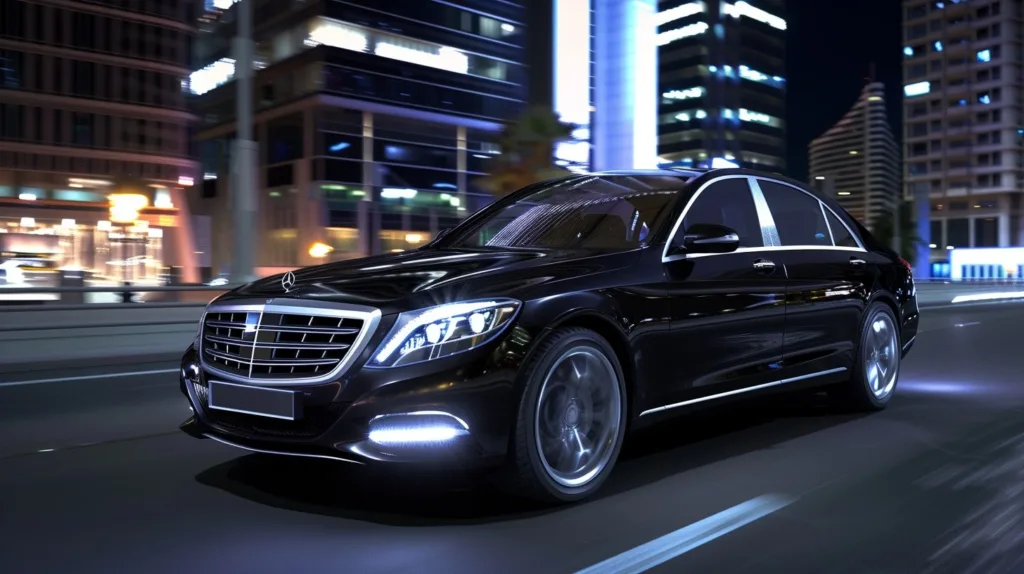
The S-Class is Mercedes-Benz’s top-of-the-line sedan. It’s the car executives and celebrities ride in, featuring massaging seats, air suspension, and technology that won’t appear in mainstream cars for years. The current model produces 429 horsepower and rides smoother than almost anything else on the road.
Salvage Mercedes-Benz S-Class listings allow you to own a $110,000 flagship sedan for a fraction of that price. These cars drop in value quickly — a three-year-old S-Class typically sells for $50,000 to $60,000 with a clean title. Purchase one at auction with fixable damage, and the total costs land between $35,000 and $50,000 after repairs. That’s serious luxury for about half the money.
Audi A4
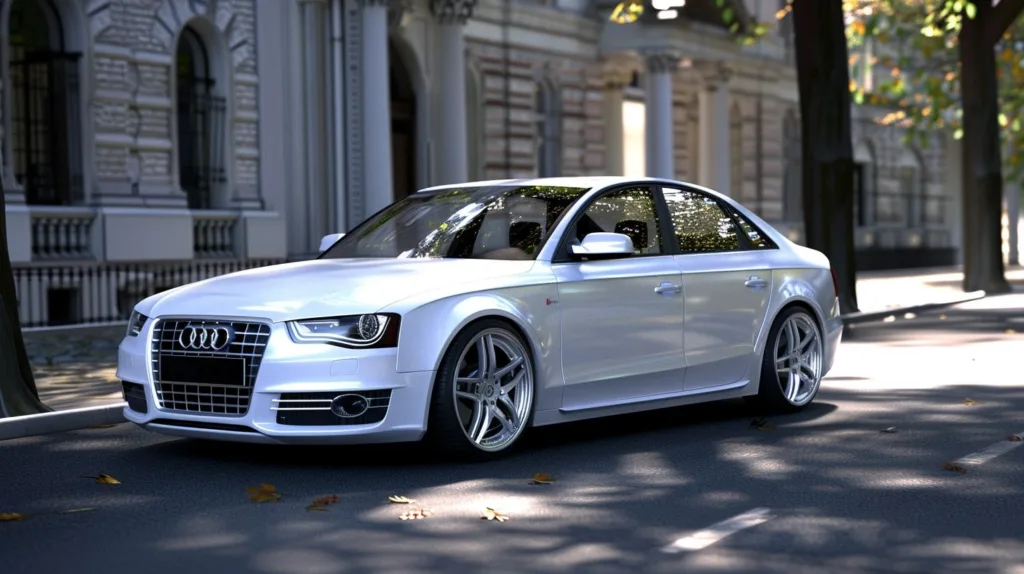
A salvage Audi A4 shows consistent demand at auctions. A clean 2020 A4 Premium typically sells for $26,000 to $30,000 at dealerships. The same car with repairable front-end damage often auctions for $12,000 to $16,000. After $6,000 to $9,000 in repairs, the total investment usually falls between $18,000 and $25,000.
The Quattro all-wheel-drive system uses a Haldex-style setup on four-cylinder models, sending power to the rear wheels only when the front wheels slip. This differs from BMW’s xDrive, which powers all four wheels at all times. The simpler system means fewer components to repair if accident damage extends beyond body panels. Stick with 2017 or newer models — these use the EA888 Gen 3 engine, which solved the oil consumption and timing chain issues found in 2009-2016 A4s.
Audi Q7
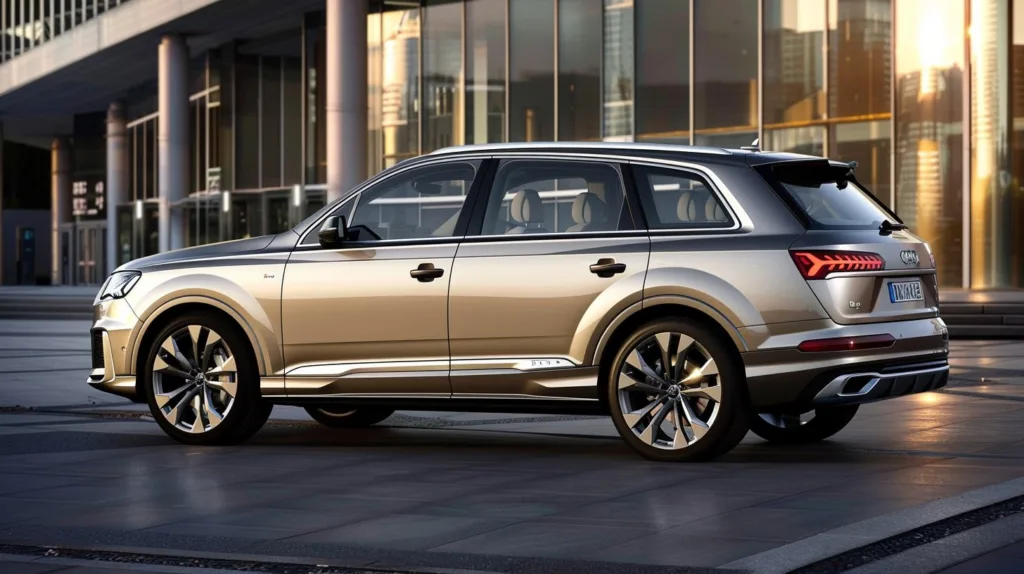
Damaged Audi Q7 models are built differently from most vehicles. Instead of conventional steel that can rust, Audi uses aluminum. This means that if you live in an area with harsh winters and heavy road salt, your Q7 is far less likely to develop rust issues over time. That’s a major advantage if you plan to keep the vehicle long term.
The downside is that repairing aluminum requires specialized tools and training. Not every body shop can work with it, so it’s important to call around before buying to make sure a qualified shop is available in your area.
Ready to start bidding? Register for free on AutoBidMaster and explore thousands of clean and salvage vehicles today.
Audi Q5
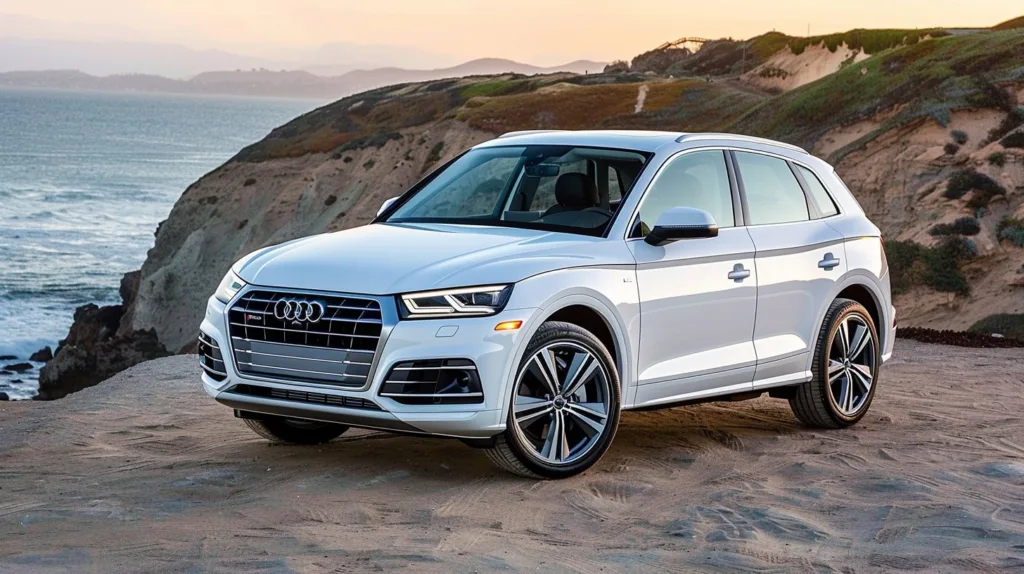
Wrecked Audi Q5 SUVs are common at auctions because Audi sells large volumes of these vehicles every year. In fact, the Q5 accounts for about 30% of Audi’s sales in North America. When a vehicle is this popular, finding parts becomes easier and more affordable. Need a headlight? Hundreds of other Q5s in junkyards have the exact same one.
The Q5 also shares many components with the smaller A4 sedan, which means your mechanic doesn’t need to special-order expensive, Audi-specific parts for every repair. As a result, most regular repair shops can work on these vehicles without charging luxury-level prices for routine maintenance.
Acura MDX
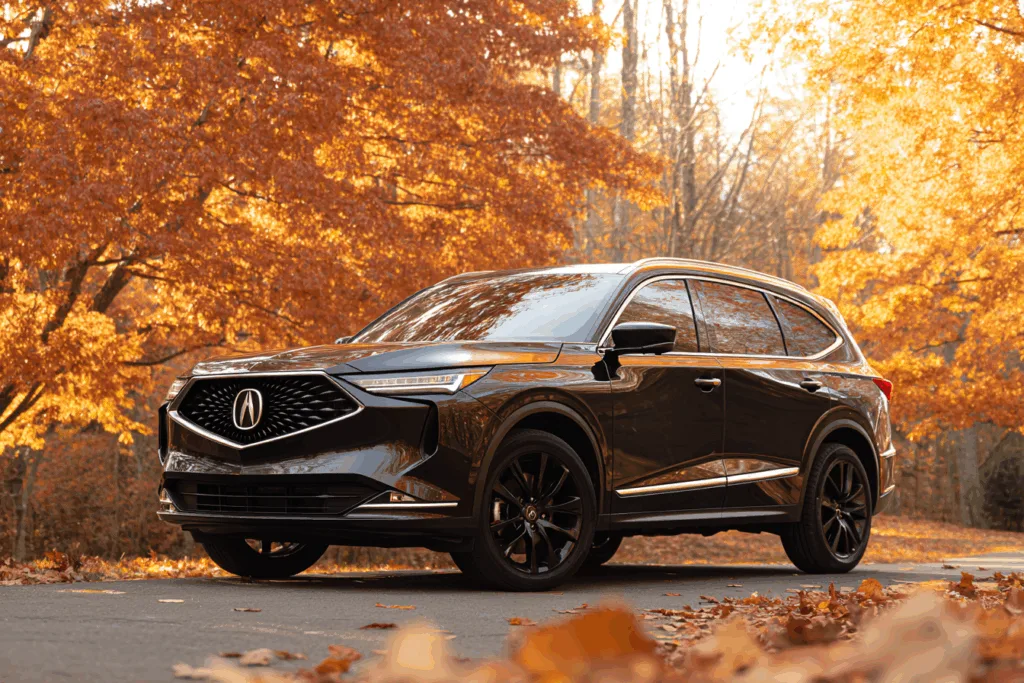
Salvage Acura MDX models cost less to repair than European luxury SUVs because Acura uses many shared Honda components. Here’s what that means in real life: if your alternator fails, it’s a $250 part instead of $800. Timing belt service costs around $900 instead of $2,000. Insurance is often cheaper, since parts cost less to replace.
The MDX seats seven passengers and comes standard with all-wheel drive, which helps in snow and rain. Most importantly, these vehicles don’t tend to fall apart after 100,000 miles like some luxury SUVs.
Infiniti Q50
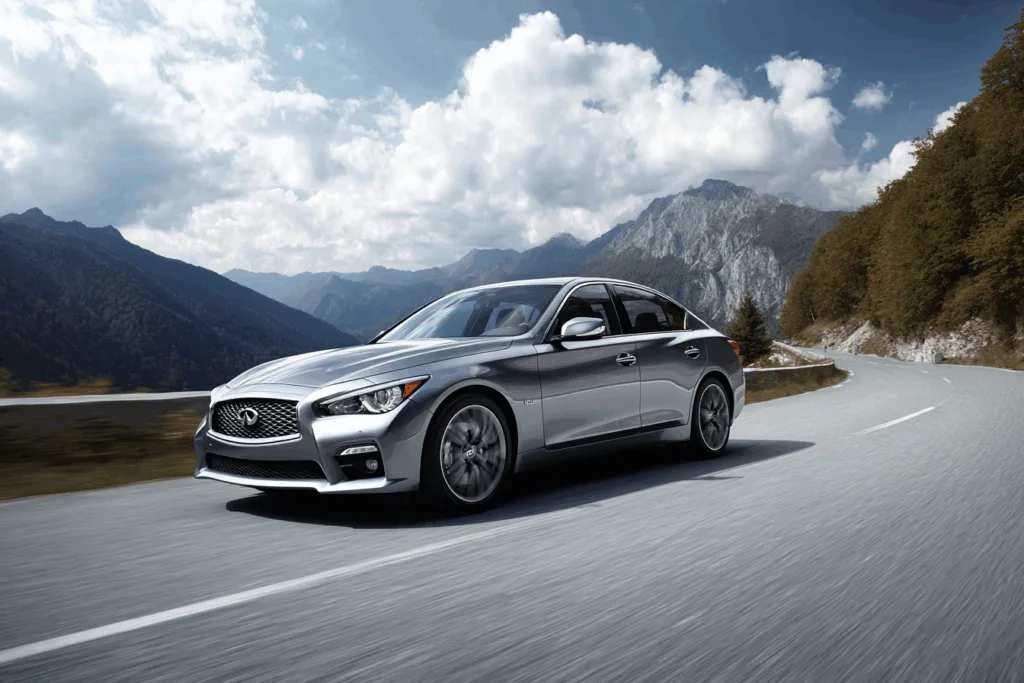
Damaged Infiniti Q50 vehicles have nicer interiors than most people expect. Real leather seats, not synthetic materials. Genuine wood trim instead of plastic. Dual-zone climate control allows the driver and passenger to set different temperatures without conflict. The screens and technology are borrowed from Mercedes, as Nissan and Mercedes shared technology for a period of time.
When buying a salvaged Infiniti Q50, you’re getting German-engineered features with Japanese reliability and ownership costs.
Porsche 911

Most cars end up in junkyards after 15 or 20 years. However, this isn’t the case with Porsche 911s. Over 70% of every 911 ever built is still on the road, including cars from the 1960s.
These vehicles are incredibly durable. Fix a wrecked Porsche 911 properly, and you could drive it for decades. In fact, some older 911s are now worth more than when they were new. Try finding another car that can boast that.
How to Buy Used Cars Through Salvage Auctions
- Register with a reputable auction platform. For example, AutoBidMaster requires basic registration information and takes a couple of minutes to complete. You’ll need a government-issued ID and a refundable deposit (typically $400 to $800, depending on your bidding limits). Once approved, you can browse inventory immediately.
- Search by specific make, model, or VIN. Use the platform’s filters to narrow down vehicles by year, mileage, and damage type. Focus on luxury cars with front-end damage rather than rear or side impacts — these typically cost less to repair on rear-wheel-drive vehicles, where the engine sits farther back from the bumper.
- Review the damage report carefully. Each listing includes photos from multiple angles and a condition report. Check for frame damage, airbag deployment, and flood indicators. Minor cosmetic damage, such as scratched bumpers, cracked headlights, or dented fenders, typically costs $2,000 to $5,000 to repair. Structural damage can run $8,000 to $15,000 or more.
- Run the VIN through multiple databases. The National Motor Vehicle Title Information System (NMVTIS) shows title history across all states. This helps catch salvage titles, odometer rollbacks, and theft records that sellers may not disclose. Cross-reference this information with the auction’s damage report to verify accuracy.
- Calculate your total investment before bidding. Add the winning bid price, auction fees, transportation costs ($300 to $1,200 depending on distance), and estimated repair costs. Compare this total to the retail value of a clean-title equivalent. You should aim to save at least 25% to make the purchase worthwhile.
- Arrange transportation in advance. Most auction winners have 3 to 7 days to remove their vehicles. Transport companies charge $1 per mile on average, with a $300 minimum. Damaged vehicles that don’t run cost 20% to 30% more to ship because they require flatbed trucks instead of standard car carriers.
- Get a pre-repair inspection from a qualified mechanic. Before starting bodywork, have a trusted shop assess any hidden damage. They may find bent subframes, damaged suspension components, or electrical issues not visible in photos. This inspection typically costs $100 to $200 but can prevent expensive surprises during repairs.
Looking to buy your next car at auction? Register on AutoBidMaster — it’s quick, free, and lets you bid right away.
Frequently Asked Questions
Are salvage luxury cars hard to insure?
Insurance rules vary by state. Contact your car insurance provider before bidding to confirm that they offer coverage for salvaged vehicles. Check your local Department of Motor Vehicles (DMV) for a list of approved insurers that work with salvage title vehicle owners.
Where can I find reliable salvage luxury cars?
Salvage auto auctions like AutoBidMaster provide nationwide access to verified listings and vehicle histories, making it easy to buy used cars online with full transparency. Many offer home delivery services and accept both cash payments and personal loan financing options.
Is it worth buying a car with a salvage title if it’s a luxury brand?
Luxury salvage vehicles make sense if you pick the right brands. Acura and Infiniti use many shared components from Honda and Nissan, which helps keep repair costs affordable. German luxury brands like BMW and Audi cost more to fix but often sell for higher prices once repaired.
For example, a salvage BMW 3 Series might cost $15,000 at auction plus $8,000 in repairs, putting your total investment at $23,000 for a car that sells for around $35,000 with a clean title. That’s $12,000 in savings! Just avoid exotic brands like Maserati or Jaguar, where parts are harder to find and more expensive. Stick with high-volume luxury brands that sold tens of thousands of units, as strong parts availability helps keep costs down.
Where to buy salvage luxury cars — local auctions or online platforms?
Online car shopping gives you access to far more salvage luxury vehicles than local auctions. For example, AutoBidMaster lists damaged vehicles from insurance companies across all 50 states. You might live in Florida, but find the perfect damaged Audi Q5 in Arizona with no rust and a clean undercarriage.
Sources (accessed January 2026):
- Kelley Blue Book (KBB)
- Edmunds
- National Motor Vehicle Title Information System (NMVTIS)
- Repair Cost Databases (e.g., Mitchell or CCC Intelligent Solutions)
- Audi/BMW/Mercedes Service Bulletins
- U.S. Department of Motor Vehicles (DMV) Guidelines
- Insurance Industry Reports (e.g., III.org or NAIC)

- Insurance Options for Rebuilt Salvage Cars Explained - March 4, 2026
- Top 5 Repairable Wrecked Salvage Trucks for Sale - March 3, 2026
- 2018 Porsche 911 Turbo S Exclusive Series Just Showed Up at Auction - February 27, 2026