
5 Common Check Engine Light Problems and How to Fix Them
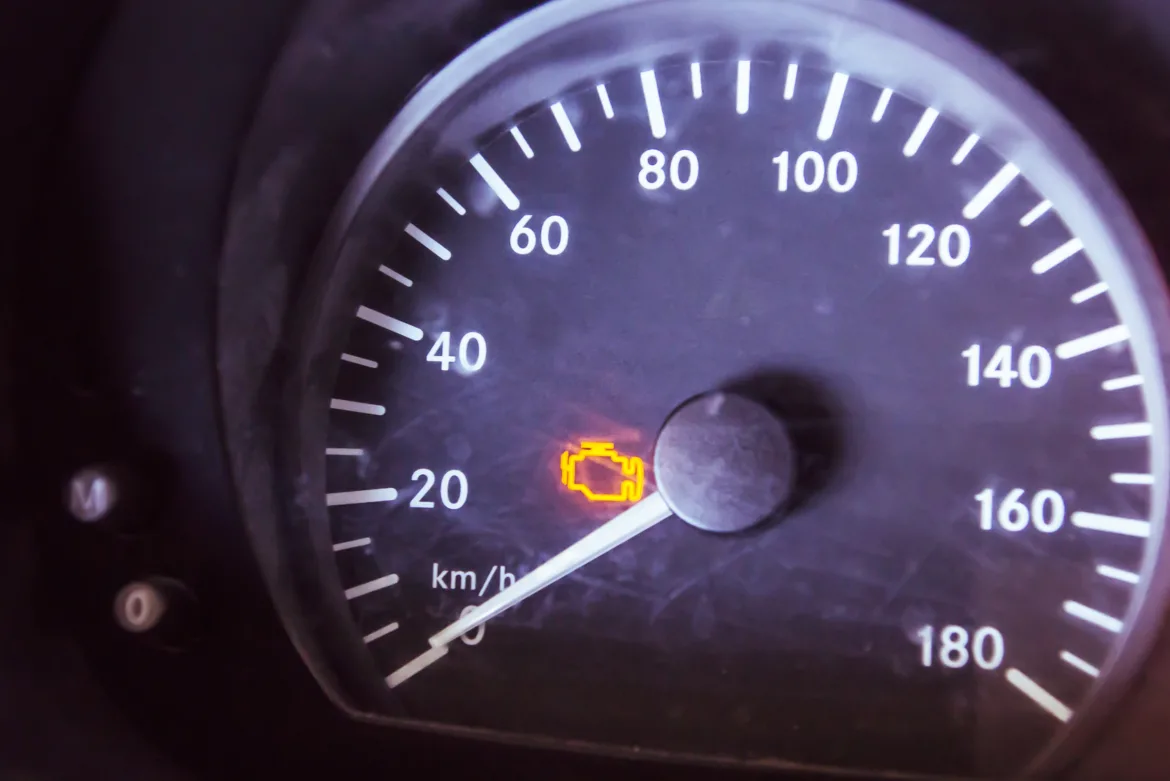
A check engine light should never be ignored, but sometimes the solution is easier than you think. From a loose gas cap to worn spark plugs, there are plenty of reasons why that little warning light might appear on your dashboard.
The trick is knowing which problems are minor and which ones need immediate attention. Here are 5 common check engine light issues and how to fix them quickly.
What Does Your Check Engine Light Mean?
Your check engine light comes on when your car’s onboard diagnostic system detects a potential problem with the engine, emissions system, or related components.
Sometimes it’s something simple, like a loose gas cap. Other times, it could mean trouble with your oxygen sensors, ignition system, or catalytic converter.
Here’s the important part:
- Steady check engine light: Your car has detected a problem that needs attention. If it’s running normally, you may be able to drive a short distance to get it checked.
- Flashing check engine light: This is more serious. It can indicate an engine misfire that could damage your catalytic converter. Pull over when safe, shut off the engine, and arrange assistance rather than continuing to drive.
Either way, don’t ignore the warning. The sooner you figure out what’s wrong, the better your chances of avoiding an expensive repair.
1. Gas Cap
This one is incredibly common. Think about it. You take your gas cap off just to put it back on multiple times a week. That adds up over time, and the cap’s seal can eventually wear out.
Here’s the thing, though. If your gas cap is loose or damaged, fuel vapors can escape from the evaporative emissions control system (EVAP). Your car may detect a leak in that system and trigger the check engine light.
How to fix it:
First, make sure the gas cap is tightened all the way. Remove it, check the rubber seal for cracks or damage, and put it back on securely.
If that doesn’t fix it and the seal or cap looks worn, you can get a compatible replacement without spending much money.
Keep in mind that the light may not turn off immediately. Your car might need several driving cycles to confirm that the problem has been resolved.
Common related trouble codes: P0442 and P0455, which can indicate leaks in the EVAP system. However, these codes don’t automatically mean the gas cap is the problem.
2. O2 Sensor
Your O2 sensors monitor the amount of oxygen in your exhaust, and a faulty one can trigger your car’s check engine light.
While this isn’t always catastrophic, ignoring the issue for a prolonged period of time can cause decreased fuel efficiency and may contribute to catalytic converter problems, as the car adjusts fuel mixtures according to information from your O2 sensors.
You might notice that you’re stopping for gas more often than usual, even though your driving habits haven’t changed.
How to fix it:
An OBD-II scanner can help identify oxygen-sensor-related trouble codes. However, don’t rush to buy a replacement just because a code mentions an O2 sensor.
Exhaust leaks, wiring problems, and incorrect fuel mixtures can sometimes produce similar warnings. A mechanic can inspect the sensor and related systems to determine what’s actually causing the issue.
If the sensor itself has failed, replacing it may restore proper engine operation and fuel efficiency.
3. Old Spark Plugs
Spark plugs create the spark that ignites the air-fuel mixture in your engine.
If your spark plugs are old or dirty (aka “fouled”), this can cause your car to misfire, idle roughly, or hesitate when accelerating.
Some modern spark plugs can last 100,000 miles or more, but others need to be replaced much sooner. It depends on the vehicle, engine, and type of spark plug.
A bad plug can also cause the check engine light to turn on.
How to fix it:
Check your car’s manual for the recommended spark plug replacement intervals.
If your plugs are worn, damaged, or due for replacement, installing the correct new ones may solve the problem.
Replacing spark plugs yourself can be pretty easy on some cars, but others have engines that make access much more complicated. If you’re not comfortable doing the job, leave it to a professional.
And remember: misfires aren’t always caused by spark plugs. Ignition coils, fuel injectors, and other engine problems can produce similar symptoms.
Common related trouble codes: P0300 for random or multiple-cylinder misfires and P0301–P0308 for misfires detected in specific cylinders.
4. Ignition Coils
Spark plugs need electricity to create that spark, and that’s where ignition coils come in.
An ignition coil provides the high voltage needed for a spark plug to ignite the air-fuel mixture in your engine.
When a coil starts failing, your engine may misfire, shake, hesitate, or struggle to accelerate.
The bad news is that driving with a persistent misfire can damage other components, including your catalytic converter.
How to fix it:
Start by checking the trouble codes with an OBD-II scanner. A code identifying a cylinder misfire can help narrow down the problem.
A mechanic can test the ignition system to determine whether the issue is a failing coil, spark plug, wiring connection, or something else.
If the coil is faulty, replacing it can often solve the problem. Just don’t assume that every misfire means you need new ignition coils.
5. Catalytic Converter
This one can be a little more expensive.
Your catalytic converter helps reduce harmful emissions by converting pollutants in your exhaust into less harmful substances.
Over time, it can become damaged or lose efficiency. When that happens, your car may trigger the check engine light.
You might also notice reduced engine performance, poor acceleration, or unusual exhaust smells.
How to fix it:
First, don’t assume that the catalytic converter itself needs to be replaced.
Problems with spark plugs, ignition coils, oxygen sensors, or the fuel system can affect catalytic converter performance.
A diagnostic code such as P0420 indicates that catalyst efficiency is below the expected threshold, but it doesn’t automatically confirm that the converter has failed.
Have the exhaust and engine systems checked before replacing an expensive component.
Fixing the underlying issue early may help prevent further damage.
Common Check Engine Light Problems at a Glance
Not sure where to start? Here’s a quick breakdown of five common causes, what you might notice, and what to check first.
| Possible cause | Common symptoms | First step |
|---|---|---|
| Loose gas cap | Check engine light, possible EVAP code | Tighten cap and inspect seal |
| Faulty O2 sensor | Poor fuel economy, emissions-related codes | Scan codes and check the sensor system |
| Worn spark plugs | Rough idle, hesitation, misfires | Inspect plugs and maintenance history |
| Bad ignition coil | Engine shaking, misfires, loss of power | Test the ignition system |
| Catalytic converter issue | Poor performance, emissions-related codes | Diagnose engine and exhaust problems |
These are possible causes, not confirmed diagnoses. Several different problems can produce similar symptoms.
How to Diagnose a Check Engine Light
Here’s something worth knowing: the check engine light doesn’t tell you exactly what’s broken.
It tells you that your car has detected a problem.
That’s why an OBD-II scanner can be useful. It connects to your vehicle’s diagnostic port and retrieves stored trouble codes.
For example:
- P0300: Random or multiple-cylinder misfire detected.
- P0420: Catalyst system efficiency below threshold.
- P0442: Small leak detected in the evaporative emissions system.
- P0455: Large leak detected in the evaporative emissions system.
These codes can help narrow down the possible causes. However, they don’t always identify the exact part that needs replacing.
You should also pay attention to how the car runs, whether the warning light is steady or flashing, and whether any other dashboard warnings appear.
Don’t simply clear the codes and assume the problem is fixed. The warning may disappear temporarily while the underlying issue remains.
Can You Drive With the Check Engine Light On?
It depends on what’s causing it.
If the light is steady and your car seems to be running normally, you may be able to drive a short distance to a repair shop. Still, it’s best to get the problem checked promptly.
If the light is flashing, your engine is shaking, you’re losing power, or you notice smoke or unusual smells, don’t keep driving. Pull over safely and arrange professional assistance.
And don’t confuse the check engine light with your oil-pressure warning light. Low oil pressure can cause serious engine damage and requires immediate attention.
What If an Auction Car Has a Check Engine Light On?
Since check engine lights don’t always have to be a cause for disaster, you don’t necessarily have to rule out a used or salvage car just because there’s a warning light on the dashboard.
But here’s the thing: you should never assume the repair will be cheap.
When buying a vehicle at auction, you may not have the opportunity to drive it or perform a full mechanical inspection before placing a bid.
That’s why it’s important to review whatever information is available about the vehicle’s condition.
Before bidding, consider the following:
- Check the auction listing. Look for disclosed mechanical problems, warning lights, and any available condition information.
- Review the photos carefully. Dashboard photos may show illuminated warning lights, although a photo alone can’t establish whether a fault is present.
- Look for diagnostic information. If OBD-II codes are available, they can help you understand the possible repair risks.
- Consider the vehicle’s history. Previous accidents, flood damage, and maintenance history can provide additional clues.
- Budget for repairs. A check engine light might point to a minor issue or something much more expensive.
If an inspection is available, getting the vehicle checked before bidding can help reduce uncertainty.
The bottom line? A check engine light isn’t always a dealbreaker, but it’s definitely something you want to understand before spending your money.
FAQs
Can a loose gas cap cause the check engine light to come on?
Yes. A loose, damaged, or improperly sealed gas cap can cause a leak in the vehicle’s evaporative emissions system, triggering the check engine light.
Tightening or replacing the cap may solve the problem, although the warning can take several driving cycles to disappear.
Will the check engine light turn off by itself?
Sometimes. If the issue that triggered the warning has been resolved, the vehicle may turn the light off after completing its diagnostic checks.
However, a light that turns off doesn’t necessarily mean the problem is permanently fixed. Some intermittent faults can return.
Does a check engine light mean I need an oil change?
Not usually. Most vehicles have a separate maintenance reminder for scheduled oil changes.
However, serious engine problems related to poor lubrication can sometimes trigger other warnings or diagnostic faults. Always follow your vehicle’s recommended oil-change intervals.
Can I drive with the check engine light on?
A steady light may allow limited driving if the vehicle is operating normally, but you should arrange a diagnosis soon.
A flashing light, significant loss of power, smoke, or severe engine shaking requires immediate attention.
Is it worth buying a car with the check engine light on?
It can be, depending on the vehicle’s condition, the likely cause, and the expected repair costs.
Before buying a used or salvage vehicle with an illuminated check engine light, review the available condition information and arrange an inspection whenever possible.
Summing Up
Since check engine lights don’t always have to be a cause for disaster, you can still shop for salvage cars with AutoBidMaster. Just make sure you understand the possible repair costs before placing a bid.
You can get started by registering with us in a few easy steps, reviewing the applicable deposit requirements, and exploring available vehicles.
If you have any questions, feel free to get in touch with us.

- The Advantages of Salvage Car Parts - November 3, 2025
- Buying Salvage Cars: What to Expect on Auction Day - May 22, 2025
- Is Buying a Hail-Damaged Car Worth It? A Detailed Guide - December 2, 2024