
Classic Car Buying Tips from Expert Salvage Hunters
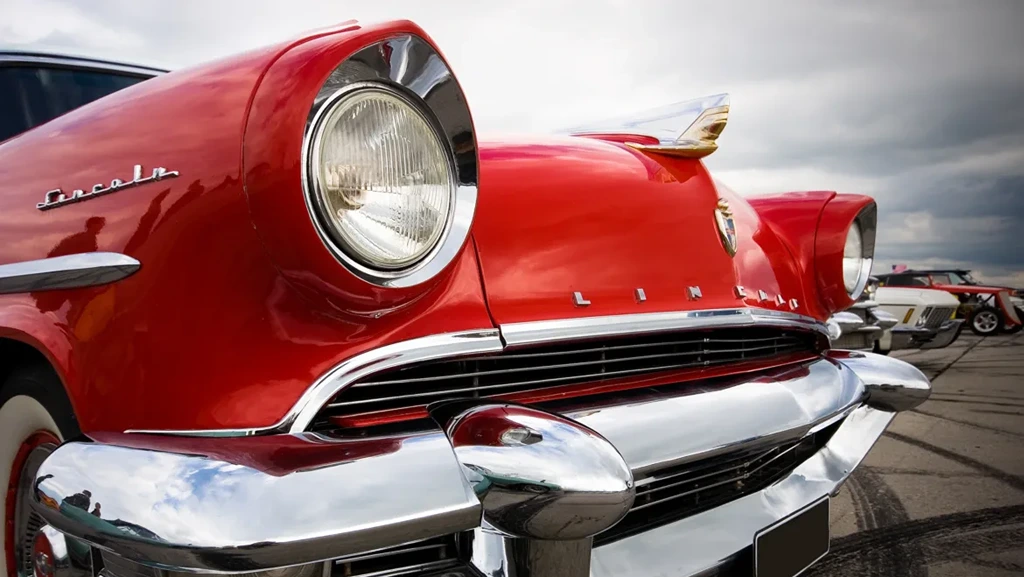
For many car enthusiasts, buying, selling, and restoring cars is more than just a hobby. It’s a way of life. Inspired by experienced restorers and the availability of wrecked cars for sale, more people are taking on classic car restoration projects of their own.
But passion alone isn’t enough. A successful first restoration takes research, planning, and a realistic understanding of the work involved. Here are a few tips to help you get started.
Do Your Research
An easy way to avoid common mistakes is to do your own research and look at examples of projects completed by experienced classic car restorers. There’s plenty of useful information out there, especially if you’re willing to spend some time looking.
Here are a few good places to start:
- Buying guides: Learn about the classic models you’re interested in, their common problems, and what to inspect before buying.
- YouTube videos: Watch experienced restorers work on similar vehicles. You’ll get a better idea of the tools, skills, and time involved.
- Vehicle history: Check the car’s history, verify its VIN or chassis number, and look into its originality. Matching engine and chassis numbers may also matter for certain collectible models.
- Parts availability: Find out how easy it is to get replacement parts. Some classic cars have excellent aftermarket support, while others require rare and expensive components.
Don’t rush this part. Although these steps may seem simple, they can help first-time buyers make more informed decisions.
Start With Safe Options
Another mistake first-time classic car buyers often make is taking on a project that is too ambitious for their first purchase.
Successful restorers typically have years of experience working on a variety of projects. They’ve also learned which repairs are worth attempting and which are better left to professionals.
It is always a good idea to start small and choose a more manageable vehicle rather than jumping straight into a complex restoration. Look for classic models with readily available parts, straightforward mechanical systems, and an active community of owners.
Pay particular attention to rust. Surface corrosion may be manageable, but extensive rust in the frame, floor, or structural components can turn a seemingly affordable classic into an expensive project. The same goes for serious collision damage.
Set a Spending Limit
To keep your restoration project on track, set a spending limit before buying a salvage classic car.
Found a car that seems suitable? Make a detailed list of the parts, repairs, and corresponding costs to estimate the overall project cost. Remember to include transportation, auction fees, and any work you’ll need to hire a professional to complete.
And don’t spend your entire budget on the car itself. Even a well-researched project can come with unexpected expenses. With classic cars, original components and hard-to-find replacement parts can be particularly expensive.
This simple approach can help you manage costs and keep the project organized.
AutoBidMaster can help you browse and compare prices for wrecked and salvage classic cars from different manufacturers.
Begin With Simple Projects
For a first project, look for classic cars that need relatively minor repairs. You don’t have to tackle a complete restoration right away.
Simple jobs such as trim replacement, interior refurbishment, minor mechanical repairs, and paint polishing can improve a classic car’s appearance and condition without requiring a major investment.
Of course, cosmetic work is only part of the picture. Before buying, make sure you understand the vehicle’s mechanical condition, any hidden rust, and the safety-related repairs it may need.
A smaller project gives you a chance to build your skills, learn from mistakes, and gain confidence before moving on to more complicated restorations.
Checklist Before Buying Your First Classic Car
Found a classic that looks promising? Before placing a bid, take a few minutes to check the essentials:
- Vehicle history: Have you checked the title, VIN or chassis number, and available ownership records?
- Rust and damage: Have you inspected the body, frame, floor, and other areas where corrosion may be hiding?
- Originality: Are the engine, transmission, and other major components original or suitable replacements?
- Parts availability: Can you find the parts you need without spending more than the car is worth to you?
- Repair complexity: Do you have the skills, tools, or professional help required to complete the restoration?
- Total budget: Have you included auction fees, transportation, parts, labor, and unexpected expenses?
- Legal requirements: Can the vehicle be restored, titled, and registered for road use in your state?
If you’re uncertain about any of these points, do a little more research before making a purchase.
Final Word
As more car enthusiasts explore buying and restoring classic cars, following advice from experienced restorers can help make the process easier.
Your first restoration doesn’t have to be a major undertaking. Start with something manageable, take your time, and learn as you go. Once you’ve completed a few smaller projects, you’ll be better prepared for more challenging work.
To learn more about buying salvage classic cars, contact our expert team at +1 (503) 298-4300, Monday through Friday, 6:00 AM to 4:00 PM (GMT-8:00), or email support@AutoBidMaster.com.
- The Advantages of Salvage Car Parts - November 3, 2025
- Buying Salvage Cars: What to Expect on Auction Day - May 22, 2025
- Affordable Luxury: The Best Budget Luxury Cars for Families in 2024 - November 21, 2024