
Making Sense of Vehicle Bidding in North Carolina
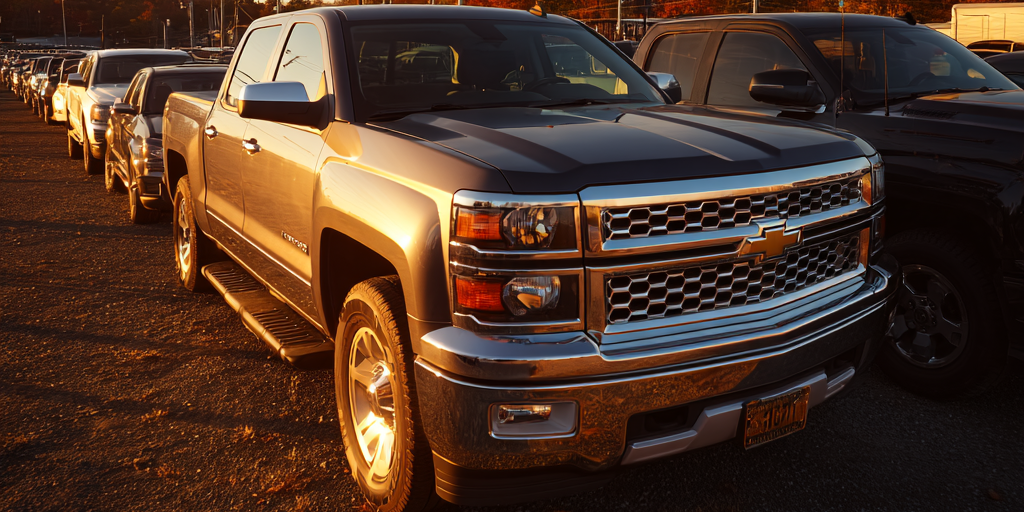
Bidding on vehicles in North Carolina can feel more complicated than in many other states, not because the auction process itself is unusual, but because North Carolina’s title rules, inspection requirements, and platform-level participation policies all affect how bids are placed and how purchases are processed after the sale.
For many buyers, the challenge is understanding why some listings are publicly accessible while others require broker participation, why clean-title vehicles are not always easier to bid on than salvage units, and what happens when a vehicle needs to move through North Carolina’s rebuilt or inspection procedures.
This Behind the Bid guide explains how bidding in North Carolina works in practice, how different listing types shape eligibility, what buyers should expect after the sale, and how to approach bidding decisions with clearer expectations.
How Public Bidding Works in Practice
North Carolina does not prevent individuals from purchasing vehicles, but that does not mean every auction listing is available for direct public bidding. On major auction platforms operating in the state, bidding eligibility is influenced by seller rules, title status, and participation requirements.
In practice, listings in North Carolina often fall into patterns such as:
- Some vehicles allow limited public participation
- Many clean-title vehicles are restricted to dealer or broker bidding
- Certain salvage and insurance units are also restricted
- Some inventory is fully dealer-only due to vehicle classification or seller policy
Two vehicles located in the same facility may not have the same bidding rules, even if they appear similar in condition or value. That variability is one of the main reasons North Carolina can feel more complex than states where public eligibility is more uniform across listings.
Rather than thinking of bidding in North Carolina as “open” or “restricted,” it is more accurate to think of it as conditional, with eligibility determined case-by-case at the listing level.
Join AutoBidMaster for free — create your account and start bidding on cars, trucks, motorcycles, and more.
Where Broker-Placed Bids Fit Into the Process
One of the most confusing aspects for new buyers in North Carolina is the role of broker-placed bids. A broker does not replace the buyer or take ownership of the vehicle. Instead, the broker provides the credentialed bidding structure required for listings that are not open to public accounts.
Broker-assisted bidding is most commonly used for:
- Higher-value clean-title vehicles
- Late-model insurance or fleet units
- Listings restricted to licensed or credentialed accounts
Bidding through a broker typically helps ensure that:
- Eligibility is reviewed before the bid is placed
- The sale does not fail due to compliance requirements
- Post-sale paperwork and title transfer are handled correctly
The end result remains the same: the vehicle is titled to the buyer after the sale. The difference lies in how the bid is submitted in order to meet platform rules in North Carolina.
Salvage Vehicles, Transport Requirements, and Rebuilt Processing
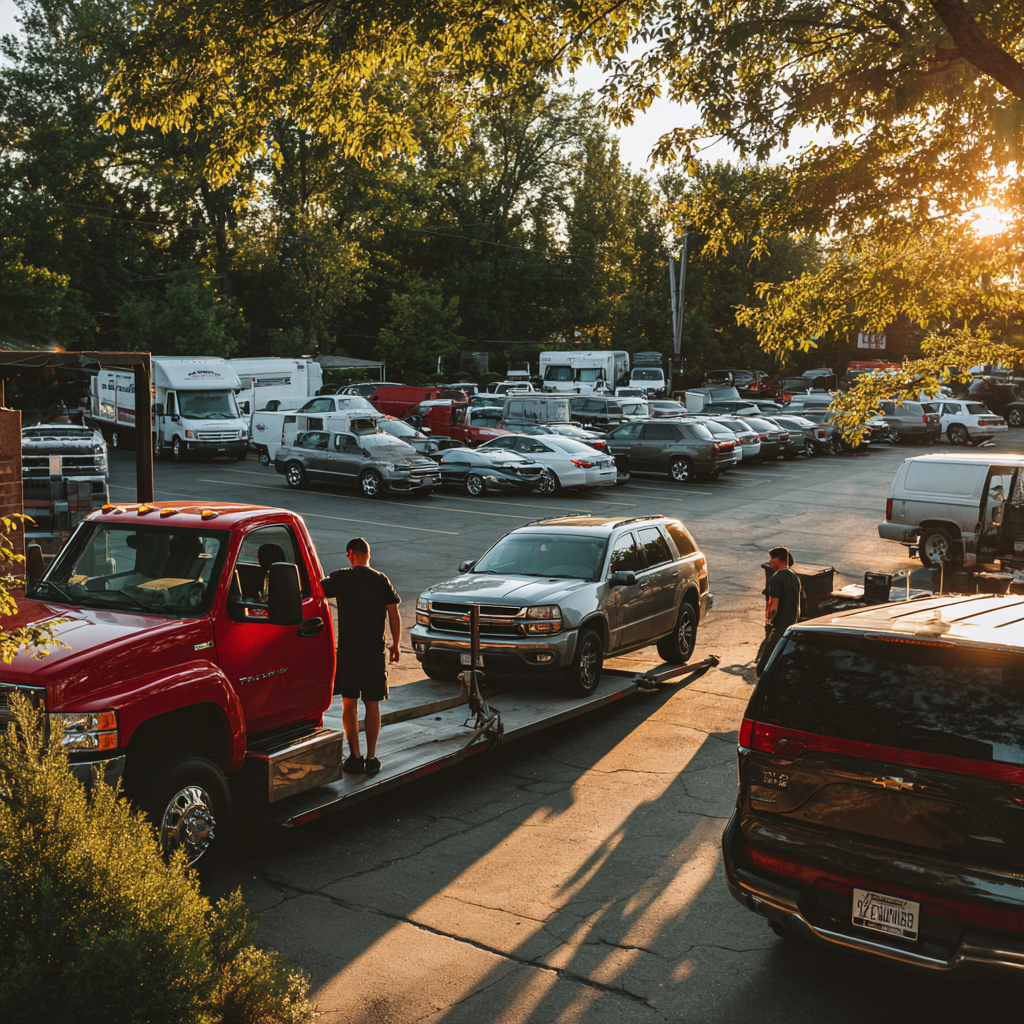
Bidding on salvage vehicles in North Carolina requires a different set of expectations than bidding on clean-title vehicles. A salvage title does not permanently limit a vehicle, but it does affect what can happen immediately after purchase.
A salvage vehicle in North Carolina must generally:
- Be transported from the auction location rather than driven
- Remain off public roads until repairs are completed
- Move through inspection or documentation review before normal use
Depending on how the vehicle is branded and the nature of the damage, rebuilt processing may involve:
- Documentation of repairs and replaced components
- Ownership and parts verification
- Required inspection or recovery review
- Application for a rebuilt or reconstructed title
These steps add cost, time, and administrative effort beyond the winning bid. Experienced North Carolina buyers, therefore, approach salvage purchases as multi-stage projects rather than single-price transactions.
Clean-Title Vehicles and Why They Aren’t Always Simpler to Bid On
It is common for buyers to assume that clean-title vehicles are more accessible than salvage vehicles when it comes to bidding eligibility. In North Carolina, that is not always the case.
On many listings:
- Clean-title vehicles are placed into dealer- or broker-only categories
- Public accounts may not be allowed to submit bids directly
- Access varies depending on seller, vehicle category, and platform policy
This does not mean individuals cannot own clean-title vehicles purchased in North Carolina. Instead, it means the bidding method may differ depending on how the listing is classified.
Understanding that both clean-title and salvage vehicles can have participation limits removes much of the uncertainty buyers experience when they see inconsistent eligibility rules across North Carolina listings.
What Shapes Bidding Behavior in North Carolina
Bidding trends in North Carolina are influenced by the types of vehicles that regularly enter the auction environment, including:
- Insurance loss vehicles from collision and storm events
- Fleet and commercial turnover from metro and industrial markets
- Older passenger vehicles leaving daily service
- Out-of-state purchases made through brokers
These market conditions create a mix of:
- Competitive bidding on late-model and insurance units
- Steady demand for repairable vehicles
- Price ranges shaped by post-sale costs and inspection outcomes
Because inspection and title requirements can meaningfully affect total ownership cost, bidders in North Carolina tend to place more emphasis on budgeting beyond the hammer price.
Post-Sale Costs and Administrative Considerations
North Carolina does not package salvage or rebuilt processing into a single flat fee. Instead, buyers should expect several separate steps and expenses after a winning bid.
Common post-sale costs may include:
- Transport from the auction location
- Title issuance and administrative fees
- Inspection or verification charges when required
- Repair and parts costs
- Possible re-inspection or corrective documentation
For that reason, many experienced North Carolina bidders set conservative maximum bids and leave an intentional margin for these additional steps.
Pros and Cons of Bidding in North Carolina
| Pros ✅ | Cons ❌ |
| Consistent supply of insurance, fleet, and wholesale vehicles | Many listings are not open to direct public bidding |
| Access to late-model and repairable units | Clean-title vehicles may still require broker participation |
| Broker participation allows entry into restricted listings | Salvage vehicles must be transported and cannot be driven immediately |
| Structured inspection and title processes provide clarity | Post-sale inspection and documentation costs increase total expense |
Frequently Asked Questions
Do I need a dealer license to bid in North Carolina?
Not in every situation, but many listings require bids to be placed through a licensed broker or dealer account.
Why are some vehicles open to public bidding and others not?
Eligibility depends on listing category, title status, seller policy, and platform participation rules.
Can I drive a salvage vehicle after I win the bid?
No. Salvage vehicles must be transported and cannot be driven until they are repaired, inspected, and retitled.
Does bidding through a broker change who owns the vehicle?
No. The broker provides the credentialed bidding structure, while the vehicle is titled to the buyer after the sale.
Can out-of-state buyers bid on vehicles in North Carolina?
Yes, but auction participation rules and North Carolina title requirements still apply, along with the buyer’s home-state registration rules.
Sources (accessed January 2026):
- North Carolina Division of Motor Vehicles salvage, rebuilt, and branded title guidance
- North Carolina motor vehicle title, inspection, and ownership regulations
- State salvage handling and post-loss documentation procedures
- Auction operator participation and licensing policy guidance for North Carolina locations
Looking to buy your next car at auction? Register on AutoBidMaster — it’s quick, free, and lets you bid right away.

- What to Know Before Bidding on Vehicles in Pennsylvania - January 20, 2026
- Most Sought-After Used Car Brands in the USA in Recent Years - January 14, 2026
- Making Sense of Vehicle Bidding in North Carolina - January 14, 2026