
A Rule of Thumb for Buying Salvage Vehicles at Auto Auctions

If you’re considering buying a salvage vehicle at an auction, you may wonder how to spot a good deal. Buyers commonly use a rule of thumb. Once you understand it, buying salvage vehicles at auto auctions becomes a much more calculated move. In this guide, we outline general approaches for how that rule works, what factors influence salvage value, and how to apply it when you’re bidding on accident cars for sale, wrecked trucks, or repairable cars at a salvage vehicle auction.
What Is a Salvage Vehicle, And How Does It End Up at Auction?
A salvage vehicle is a car, truck, SUV, or motorcycle that an insurance company has declared a total loss. This usually occurs when repair costs exceed the state’s total loss threshold (typically 50–100% of the vehicle’s actual cash value). The exact threshold varies by state.
Once an insurer totals a vehicle, it issues a salvage title, and the vehicle usually ends up at a salvage vehicle auction.
Common reasons vehicles receive a salvage title include:
• Collision or accident damage
• Flood, fire, or hail damage
• Theft recovery with significant damage
• Vandalism
A Common Rule of Thumb (40–60% Retained Value)
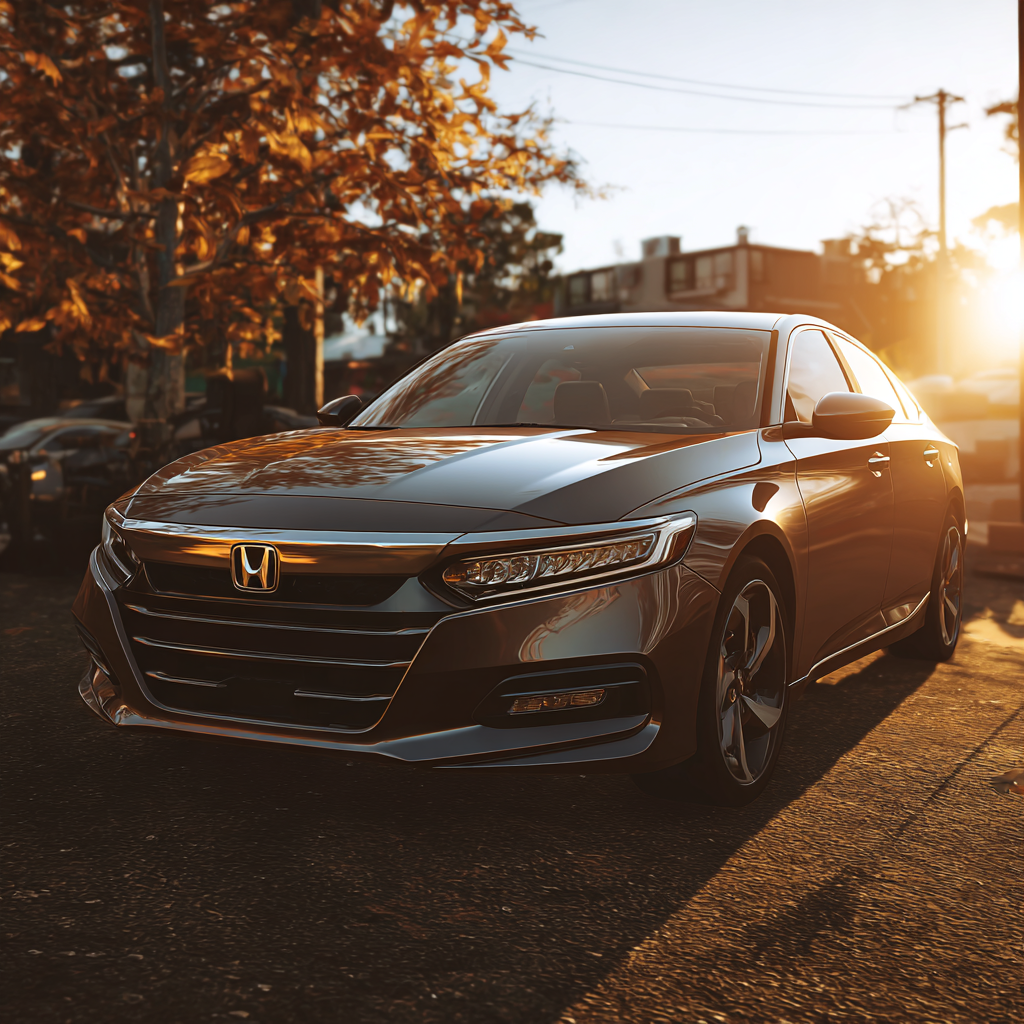
Here’s a common rule of thumb that experienced buyers use at salvage vehicle auctions. A fully repaired salvage vehicle typically retains 40% to 60% of its clean-title value, depending on damage severity, vehicle type, and market demand. For example, if a clean-title Honda Accord is worth $20,000, a rebuilt salvage version might range from $8,000 (heavily damaged) to $12,000 (minor damage).
Sources citing KBB and industry practices recommend deducting 20–50% from a clean-title vehicle’s value to estimate a rebuilt salvage vehicle.
How to apply it when bidding:
• Step 1: Check the vehicle’s clean-title value on KBB or NADA.
• Step 2: Apply the 40–60% retained value range, adjusting based on the vehicle’s damage and repair quality.
• Step 3: Subtract any remaining repair costs that still need to be done.
• Step 4: The result is your maximum bid. If the auction price stays below that number, you’re in good deal territory.
Example calculation:
| Detail | Amount | Notes |
| Clean title market value | $20,000 | From KBB/NADA |
| Estimated 40–60% value | $8,000–$12,000 | Approx. rebuild value |
| Estimated repair costs | –$3,500 | Body + mechanical |
| Maximum smart bid | $8,500 | Your ceiling at auction |
Salvage Value vs. Repair Cost
The rule of thumb above works for a fully repaired vehicle. But most of the time, when you’re browsing salvage cars for sale at auction, the vehicles are still damaged. That means your equation needs one more variable: estimated repair cost.
Before placing a bid on any salvage title vehicle for sale, study the damage photos closely, check the vehicle’s VIN history, and get a repair estimate if possible.
Vehicles with cosmetic or front-end damage are generally the safest bets for rebuilders and everyday buyers alike. Flood and fire damage can conceal long-term electrical or mechanical issues that no formula can fully predict.
How to Check Vehicle Value Before Bidding
One of the most important steps before placing any bid is running a VIN check on the vehicle. A salvage vehicle VIN check will give you access to the vehicle’s full history — prior accidents, previous owners, odometer readings, and whether the title has ever been flagged. This context is critical for accurate vehicle value assessment and helps you avoid unwanted surprises.
Here’s what to review before every bid:
• VIN history report (accident records, prior damage)
• Auction damage description and photos
• Odometer reading and service history, if available
• State title laws — total loss thresholds vary by state
• Current comparable listings of clean-title versions of the same car
Does the Rule Apply to Salvage Trucks, SUVs, and Motorcycles?

The 40-60% range is a solid starting point across most vehicle categories, but there are nuances worth knowing if you’re shopping beyond regular passenger cars.
For salvage trucks for sale, the equation often skews slightly more favorable. Pickup trucks (especially late-model Ford F-150s, Chevy Silverados, and Toyota Tacomas) tend to retain stronger parts demand and resale value. This means that even with a branded title, they may retain relatively higher value due to parts demand. So, apply a 20–50% deduction conservatively.
When it comes to big truck salvage — heavy-duty work trucks and commercial vehicles — the repair math gets more complex. Parts can be expensive and harder to source, but these vehicles often have high clean-title values that make the discount worthwhile for the right buyer with the right shop.
If you’re in the market for salvage motorcycles for sale, the same fundamental principles apply: check the damage type, run the VIN check, and ensure the repair cost plus your bid stays well within the 40–60% retained value range.
Buying Salvage Vehicles Through AutoBidMaster and Copart
Copart is one of the largest salvage vehicle auctions in the world, handling millions of vehicles each year, from everyday passenger cars to salvage medium-duty trucks to flood-damaged SUVs. The catch is that Copart’s auctions are traditionally limited to licensed dealers.
That’s where AutoBidMaster comes in. As an official licensed broker of Copart auctions, AutoBidMaster gives everyday buyers — individuals, car enthusiasts, importers — full access to Copart’s inventory without needing a dealer license. AutoBidMaster handles the bidding process on your behalf, and you get access to hundreds of thousands of repairable cars for sale and damaged vehicles from across the country.
Once you identify a vehicle, apply the 40-60% rule: research its clean-title value, account for visible damage, and determine your maximum bid. The platform lets you search by make, model, damage type, and location, so you can target exactly the kind of vehicles that fit your budget and repair skill level.
Now that you know the rule of thumb, it’s time to put it to work. Register a free AutoBidMaster account to access hundreds of thousands of salvage vehicles on Copart — no dealer license needed. Browse, bid, and buy vehicles at wholesale prices.
FAQ
What is the rule of thumb for salvage vehicle value?
A fully repaired salvage vehicle typically retains 40–60% of its clean-title value, depending on damage, vehicle type, and market demand. Use this range as a starting point, then adjust for repair costs and condition.
Is it worth buying a salvage vehicle at auction?
It can be, if you do your homework. Salvage vehicles with minor or cosmetic damage, popular makes and models, and transparent histories often represent genuine value. The key is staying disciplined with your maximum bid and factoring in full repair costs before you commit.
Can I buy salvage cars on Copart without a dealer license?
Yes. AutoBidMaster is an official licensed broker of Copart auctions, which means individual buyers can access Copart’s full inventory and bid on vehicles without holding a dealer license. You register through AutoBidMaster, and the platform handles the bidding on your behalf.
Does a rebuilt title permanently affect a vehicle’s value?
Yes. Even after a vehicle has been fully repaired and issued a rebuilt title, it will typically sell for 20% to 50% less than a comparable clean-title vehicle. The title history stays with the car permanently, and most buyers, lenders, and insurers treat it differently as a result.
Sources (accessed February 2026):
- Kelley Blue Book — FAQ: My Car Has a Salvage Title
- Grand View Research — Online Salvage Auctions Market Report
- Market.us — Online Salvage Auctions Market (2024–2034)
- ADR-Claims.com — Total Loss Threshold By State in the U.S.

- A Rule of Thumb for Buying Salvage Vehicles at Auto Auctions - February 26, 2026
- Buying Salvage Vehicles at an Ohio Auto Auction: What You Need to Know - February 24, 2026
- Motorcycle Salvage Auctions in the USA: How to Choose Your Bike - February 20, 2026