
Buying Salvage Vehicles at an Ohio Auto Auction: What You Need to Know
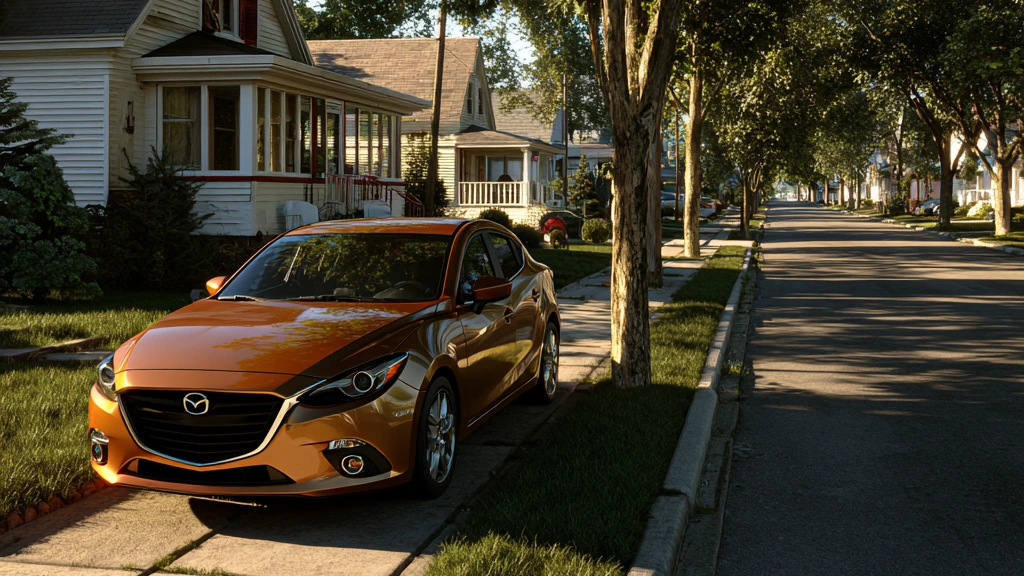
Ohio is one of the largest and most active vehicle auction markets in the Midwest. The inventory is diverse, the volume is high, and buyers from across the region find genuine value here — from rental cars and bank repossessed cars for sale to hail-damaged units and insurance total-loss vehicles suited for rebuilding. If you’re looking to enter the Ohio market, understanding the state’s title classifications and documentation requirements can put you in a strong position to bid with confidence.
Ohio Salvage Title Classifications
Ohio uses clear title designations that define a vehicle’s legal status and future potential. Knowing the difference shapes how you evaluate listings and plan your purchase.
Salvage Title
A salvage title is issued when an insurer declares a vehicle a total loss — typically when repair costs exceed a defined percentage of its pre-damage market value. Salvage title vehicles cannot be registered or driven until they’ve been repaired and passed a state inspection, at which point they qualify for a rebuilt title. They’re the backbone of the Ohio salvage market and represent some of the best value available at auction.
Rebuilt Title
Once a salvage vehicle has been properly repaired and passes inspection through the Ohio State Highway Patrol, the owner applies for a rebuilt title through the Ohio Bureau of Motor Vehicles. (Ohio BMV). The vehicle can then be legally registered, insured, and driven. The rebuilt designation stays on the title permanently and appears in any VIN history report or Ohio BMV records — something to keep in mind when planning for eventual resale.
Non-Repairable Title
Vehicles branded as non-repairable are designated strictly for parts use. They cannot be retitled for road use under any circumstances. These units primarily attract dismantlers and parts resellers.
Flood and Hail Damage Brands
In addition to total-loss events, Ohio tracks specific vehicle damage classification for incidents like flooding and hail. Hail-damaged and flood-damaged cars carry their own history flags visible in any vehicle history report. Hail-damaged units in particular can be a strong opportunity — visible panel damage with straightforward repair paths and often competitive bid prices.
Where to Find Salvage Vehicles in Ohio
The Ohio market draws from a wide range of sources, which is a big part of its appeal. Auction yards in Ohio offer traditional local access, while online auto auction platforms open up the full breadth of state inventory from anywhere.
Beyond standard insurance total-loss units, you’ll find car donations moving through auction regularly, Ohio rental fleet retirements that come with maintenance histories, and repo units that often carry minimal damage. Each source brings something different to the table:
- Rental fleet vehicles tend to be well-maintained
- Bank repos are frequently in good mechanical shape
- Donated vehicles can yield genuine surprises at the right price
Documentation and Ohio BMV Requirements
Ohio’s title and inspection process is well-defined, and working through it methodically is straightforward once you know what’s expected.
Before You Bid
Running a BMV check before placing a bid is standard practice. An Ohio BMV title check pulls the vehicle’s title history, prior brands, odometer records, and lien status from the Ohio BMV records. It’s also crucial to pull a ClearVin report that will provide a complete understanding of the VIN history. You can run a ClearVin report from the listing page, and combining that with your own BMV lookup will give you a complete picture before committing.
Documents for the Rebuilt Title Process
| Document | Purpose |
| Certificate of Title | Original salvage title transferred at the point of sale |
| Repair Documentation | Receipts, parts invoices, and repair photos by stage |
| Odometer Verification | Required at every title transfer in Ohio |
| BMV Form 3745 | Ohio’s salvage vehicle inspection application |
| Proof of Insurance | Required prior to registration |
| VIN Verification | Must match across all documents and the physical vehicle |
The Salvage Vehicle Inspection
Before a rebuilt title is issued, Ohio requires a salvage vehicle inspection conducted by the Ohio State Highway Patrol. Inspectors verify the VIN, confirm structural soundness, and review repair documentation. Bringing complete records — organized receipts, staged repair photos, and bills of sale for any used parts — makes the inspection process efficient. Scheduling the appointment early rather than waiting until the end of the rebuild is a habit that saves time.
After passing, you may apply for the rebuilt title through the Ohio Bureau of Motor Vehicles and proceed with registration and insurance.
Best Practices for Buying at Ohio Car Auctions
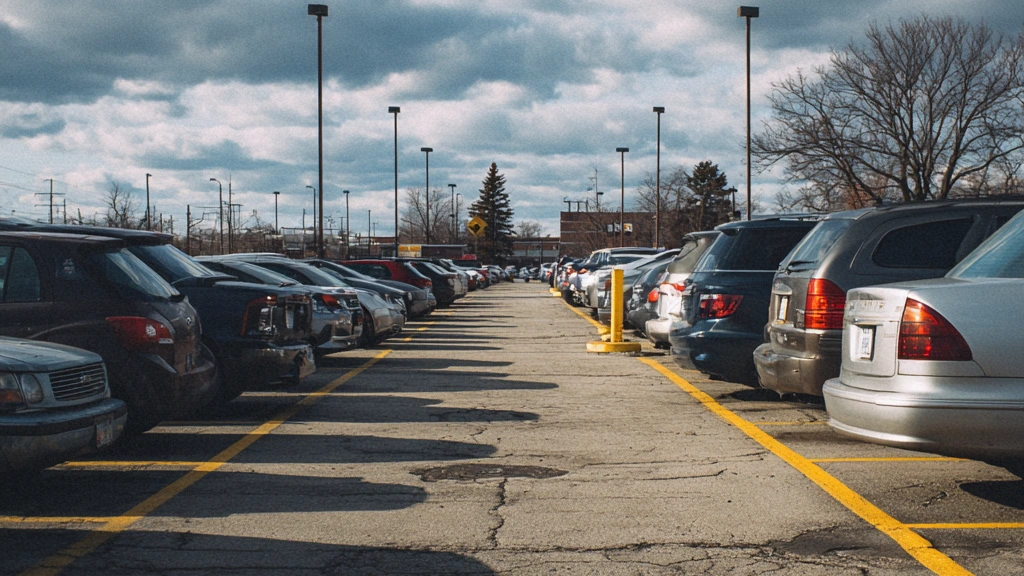
1. Know your title type before evaluating anything else. The title classification is the foundation of every purchase decision. Confirming whether a listing is salvage, rebuilt, or non-repairable before looking at anything else focuses your evaluation where it matters.
2. Pull a full history report. A vehicle history report will give you collision details, airbag deployment records, and ownership history that go well beyond what listing photos show. It’s a quick step that rounds out your understanding of any vehicle you’re seriously considering.
3. Match the damage type to your goals. Hail damaged cars for sale in Ohio are a natural fit for buyers comfortable with panel and paint work. Salvage cars with mechanical damage suit buyers with workshop access. Flood-damaged cars tend to appeal to buyers with electrical and systems experience. Matching the vehicle’s damage profile to your skills leads to better outcomes.
4. Arrange transport before the auction closes. Salvage vehicles cannot be driven from the auction yard, so transportation must be arranged in advance to ensure the post-purchase process proceeds smoothly. AutoBidMaster can assist with coordinating vehicle transport.
5. Use search filters to your advantage. AutoBidMaster lets you filter by title type, damage category, make, model, mileage, and more. Savvy buyers use these tools to focus on vehicles that match their goals instead of sifting through unrelated inventory.
6. Document repairs thoroughly from day one. Organized receipts, staged photos, and bills of sale for any used parts with VIN numbers make the inspection process smooth. Starting this habit at the beginning of a rebuild — not the end — is what experienced buyers always do.
Ohio Auction Inventory at a Glance
Ohio pulls from a broad range of vehicle types and sources. Here’s a quick overview of what you’re likely to find across auto auction Ohio listings:
| Vehicle Type | Typical Title Status | Common Buyer Goal |
| Insurance total-loss | Salvage | Rebuild or parts |
| Hail-damaged | Salvage or clean | Repair and drive |
| Flood-damaged | Salvage | Skilled rebuild or parts |
| Bank repossessed | Clean | Daily driver or resale |
| Rental fleet retirement | Clean | Daily driver |
| Donated vehicles | Varies | Budget daily driver |
Whether you’re targeting salvage cars for sale in Ohio for a rebuild project or a clean-title repo for everyday use, the Ohio market has the depth and variety to support a wide range of buyer goals. Inventory moves quickly, and buyers who come prepared — with checks done and target criteria clear — consistently walk away with the best deals.
Ready to explore what’s available? Browse car auctions and find your next vehicle today.
Frequently Asked Questions
Can you register a salvage title vehicle in Ohio?
Not in its current state. A salvage-titled vehicle needs to be repaired and pass a salvage vehicle inspection through the Ohio State Highway Patrol first. Once it receives a rebuilt title from the Ohio BMV, it can be registered and driven legally.
What does the Ohio salvage vehicle inspection involve?
An Ohio State Highway Patrol inspector verifies the VIN, checks that the vehicle is structurally sound, and reviews all repair documentation. Bring your repair receipts, staged photos, and any bills of sale for used parts. Having complete documentation ensures the inspection goes smoothly.
What is the difference between a salvage and a rebuilt title in Ohio?
A salvage title in Ohio means the vehicle was declared a total loss and cannot currently be driven or registered. A rebuilt title means it has been repaired, passed inspection, and is fully eligible for registration and road use. The rebuilt designation remains on the Ohio BMV records permanently.
Do I need an Ohio car dealer license to bid at auction?
It depends on the platform and listing type. Clean-title vehicles are usually available to the public, while salvage units generally require bids through a licensed dealer or broker. Always check the platform’s access rules before bidding.
Can out-of-state buyers participate in Ohio auto auction listings?
Yes, and many do. Buyers from neighboring states are a consistent presence in the Ohio market. If you’re purchasing a salvage unit, it’s worth confirming how your home state handles salvage title transfer and rebuilt title recognition before you bid.
How does a rebuilt title affect resale in Ohio?
The rebuilt designation remains permanently visible in title records and vehicle history databases. Thorough documentation, inspection records, and transparent repair history help protect resale value.
Sources (accessed February 2026):
- Ohio Bureau of Motor Vehicles – Salvage and Rebuilt Title Guidance
- Ohio State Highway Patrol – Salvage Vehicle Inspection Procedures
- Ohio Revised Code – Motor Vehicle Title and Branding Regulations

- Buying Salvage Vehicles at an Ohio Auto Auction: What You Need to Know - February 24, 2026
- Motorcycle Salvage Auctions in the USA: How to Choose Your Bike - February 20, 2026
- 1 of 149 Ever Built: Salvage 2021 McLaren Elva Is Up for Auction Now - February 17, 2026