
Navigating Salvage Vehicle Auctions in Kansas: Rules and Best Practices
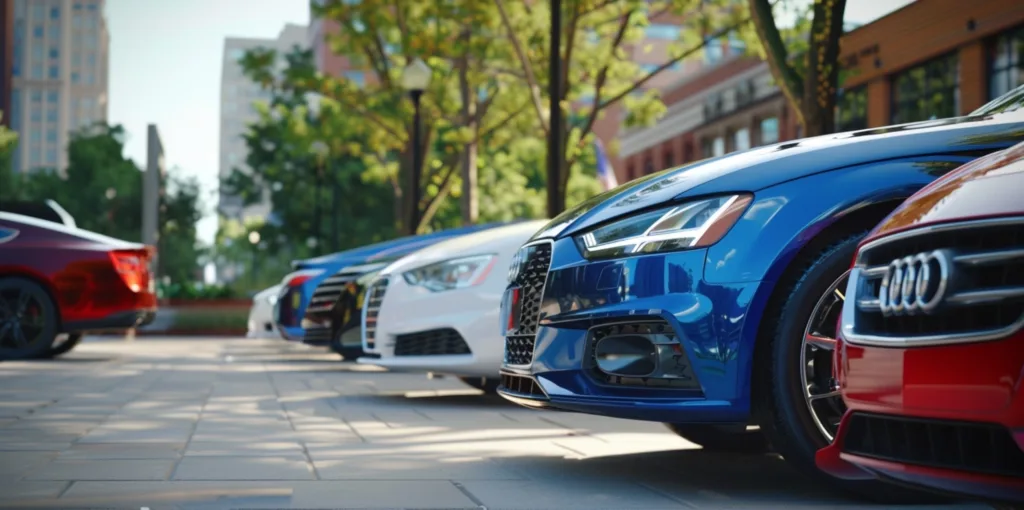
If you’ve ever browsed salvage auctions in Kansas, you know there’s serious money to be saved on damaged vehicles. However, jumping into car auctions without knowing Kansas’ specific rules can result in costly errors. This guide breaks down what you need to know about buying, rebuilding, and registering salvage vehicles in Kansas.
Understanding Kansas Salvage Title Classifications
One of the biggest misconceptions among first-time buyers is assuming all salvage titles are the same. They are not. According to the Kansas Department of Revenue, if your car is relatively new (six model years old or newer) and fixing it would cost more than 75% of what it was worth before the accident, it’s getting a salvage title. This threshold is fixed.
Kansas recognizes four primary title brands, and knowing the difference matters:
- Salvage Title: Your standard designation for totaled or badly damaged vehicles
- Rebuilt Salvage Title: What you get after properly fixing and inspecting a salvage vehicle
- Non-Highway Title: Vehicles lacking required safety equipment (like lights or brakes) for road use
- Non-Repairable: Permanently designated for parts only
The distinction is critical: while a salvage vehicle can be repaired and upgraded to rebuilt status, a non-repairable vehicle can never legally return to the road.
Where to Buy Salvage Vehicles in Kansas
Buyers today have more options than ever before.
Traditional salvage yards in Kansas remain a solid choice, but online auction platforms have expanded access nationwide. Platforms like AutoBidMaster allow buyers to bid on thousands of clean and salvage vehicles across the country.
Other potential sources include:
- Rental fleet vehicles sold after minor accidents
- Car donation Kansas programs
- Bank repossessions
- Insurance auctions
Each source comes with advantages and risks. Rental cars Kansas often have consistent maintenance histories but higher mileage. Repossessed vehicles may have minimal damage but unresolved title issues. Donation vehicles vary widely in condition.
The key is research before bidding—not after.
Ready to start bidding? Register for free on AutoBidMaster and explore thousands of clean and salvage vehicles today.
The Salvage Vehicle Inspection Process
Kansas requires a formal salvage inspection before a rebuilt title can be issued. Inspections are conducted by the Kansas Highway Patrol and serve as both a safety and anti-theft checkpoint. The inspection is thorough, and you need to bring everything:
| Required Item | Details |
| Pre-Repair Photos | Actual printed pictures of the damage |
| Parts Receipts | Receipts for all parts and materials |
| Used Parts Documentation | Bills of sale with VIN numbers if using used parts |
| Salvage Title | Current Kansas salvage title paperwork |
| Insurance Proof | Active salvage car insurance policy |
According to Kansas Highway Patrol inspection locations, you’re looking at $25 for salvage inspections (regular VIN inspections are $20).
Here’s a scheduling tip most people miss: salvage inspections cut off at 2:00 PM at most stations, and some require appointments.
Critical Documentation and Kansas DMV Requirements
Paperwork errors are one of the most common and costly mistakes buyers make.
Before purchasing, run a VIN check through official channels, like ClearVIN. A proper Kansas DMV title check reveals prior salvage branding, flood history, odometer discrepancies, and existing liens. Skipping this step exposes you to significant financial risk.
After purchase, Kansas requires filing Form TR-13 (Salvage, Non-Highway, or Non-Repairable Affidavit) with your county treasurer within 30 days. Missing this deadline can result in penalties and registration complications.
Kansas is strict with timelines—compliance matters.
Best Practices for Buying a Salvage Vehicle
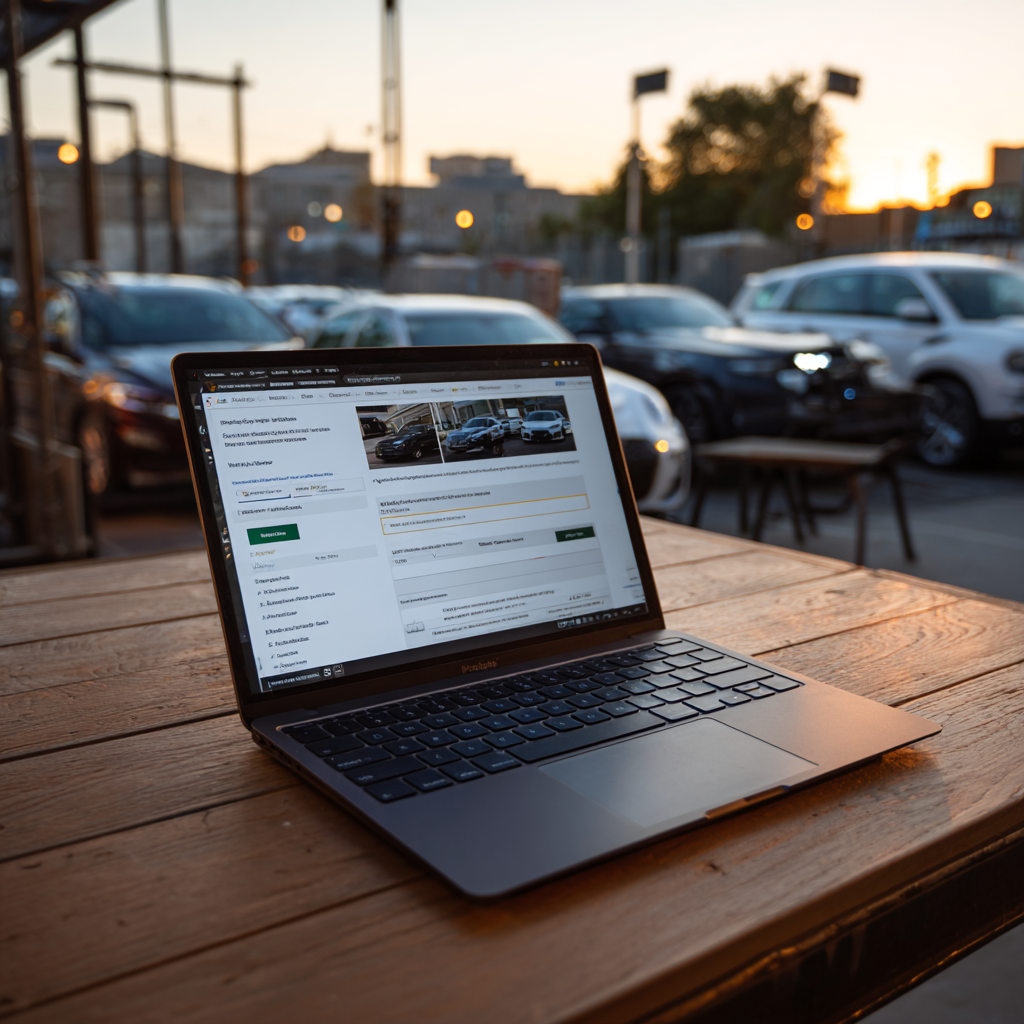
Winning at salvage auctions requires strategy. First off, set a real budget that includes all the hidden stuff: inspection fees, title transfers, maybe some salvage car financing if you need it, and insurance.
It is essential to get a vehicle history report before you bid. Modern car history databases show you collision details, whether airbags deployed, flood damage, stuff that photos just can’t tell you. Spending $40 on a report beats discovering $4,000 in hidden damage later.
Double-check the odometer verification, too. Kansas law requires mileage certification on every title transfer. If the numbers don’t match up, that’s a massive red flag about the whole vehicle’s legitimacy.
Pay attention to vehicle damage classification. Frame damage is completely different from minor cosmetic issues. Flood cars hide rust and corrosion that show up months down the road. Water damage to electrical systems? You’re signing up for ongoing electrical issues.
Common Mistakes to Avoid
Even experienced buyers make common mistakes. A critical mistake to avoid? Buying a non-repairable titled vehicle, thinking you can fix it up and get it on the road. Kansas law says no—period. Doesn’t matter how much money or skill you throw at it. That designation is permanent, and the vehicle cannot be legally driven.
Another classic mistake is looking at a “small” front-end hit and assuming it’s cheap to fix. That minor collision might be hiding bent frame rails, wrecked suspension geometry, or fried collision avoidance sensors that cost more than the car. Inspect the item before you bid. Due diligence protects your investment.
Be sure to pay attention to salvage vehicle registration deadlines as well. Kansas requires out-of-state salvage vehicles to be inspected and a rebuilt title application filed within 60 days of receiving the title. Miss that window, and your registration gets complicated fast. Worse, your insurance might drop coverage.
Rebuilding a Salvage Vehicle
Once you’ve won the auction, the rebuild process begins. Quality rebuilds need actual mechanical skills, the right tools, and legitimate parts. Reduce expenses on any of this, and you’ll either fail inspection or worse, build something unsafe.
Document everything. Take photos at every stage of the repair. Keep receipts organized by what they’re for. The Highway Patrol inspector goes through all of this with a thorough review. Show up missing receipts, and you’re either getting rejected or facing serious delays on your rebuilt title.
After successfully passing inspection, you’ll receive an MVE-1 form and a rebuilt salvage decal for the vehicle. Bring that documentation, along with your salvage title and proof of insurance, to your county treasurer to apply for a rebuilt title. Keep in mind that the rebuilt designation remains permanently on the title—but once issued, you can legally register and drive the vehicle.
Insurance Considerations
Insuring salvage vehicles presents an additional challenge. A lot of mainstream carriers won’t insure salvage-titled cars at all, and the ones that will often only offer bare-bones liability coverage. You’ll need to shop around for insurers who actually understand rebuilt salvage vehicles.
Expect higher premiums initially. Insurance companies see rebuilt salvage as riskier until the vehicle proves itself as reliable. Full coverage might be limited too, with lower payouts that reflect the car’s salvage history.
Keep all your rebuild documentation for the insurance company. Professional repair records, quality parts receipts, and inspection certificates—all of it helps you negotiate better coverage. Some insurers actually drop your rates after you’ve been claim-free for a year or two.
Frequently Asked Questions
Can you register a salvage title in Kansas?
Not directly, no. You can’t register a vehicle that still has an active salvage title on it. What you need to do is repair the vehicle first, get it inspected by the Kansas Highway Patrol, and then get a rebuilt salvage title issued. Once you’ve got that rebuilt title, you’re good to register it and drive legally.
How much does a salvage vehicle inspection cost in Kansas?
You’re looking at $25 for a salvage vehicle inspection ($5 more than a regular $20 VIN check). Fees are collected by your County Treasurer for KHP station inspections or on-site at designated locations. Confirm with the specific site, as many require appointments and end salvage inspections by early afternoon (often 2:00 PM).
What’s the difference between salvage and non-repairable titles in Kansas?
The difference is significant. A salvage title can be upgraded to a rebuilt salvage title after you fix the car and pass inspection—then you can drive it legally. A non-repairable title is permanent and final. That vehicle will never be registered or driven on any road in Kansas or anywhere else. These vehicles are designated for parts only.
Where can I buy salvage vehicles in Kansas?
You’ve got plenty of options: local auto salvage yards, online auction sites, insurance auctions, rental company fleet sales, vehicle donation programs, and bank repos. Each source has its pros and cons. Rental vehicles come with maintenance records, while bank repos might have less damage but sometimes complex title issues.
What documentation do I need for a Kansas salvage vehicle inspection?
Bring everything: printed before photos (auction pictures work fine), original receipts for every part and material you used, bills of sale with VIN numbers for any used parts, your salvage title, and current insurance proof. Show up missing anything, and you’re either getting turned away or seriously delayed on getting your rebuilt title.
Final Thoughts
Navigating Kansas salvage yards and auctions isn’t rocket science, but you do need to know what you’re doing. From understanding how titles work to getting through Highway Patrol inspections, every step matters. Whether you’re checking out Kansas auto salvage yards, bidding on bank repo, or ready to buy salvage vehicles at an auction inventory, these guidelines keep you out of trouble and protect your money.
Remember, the rebuilt salvage title stays with your car for life. When you eventually sell it, buyers will see that history, and it’ll affect what they’re willing to pay. That said, a properly rebuilt salvage vehicle gives you reliable transportation at way less money than clean-title cars cost. Many enthusiasts score great deals by combining savvy auction purchases with quality repair work and thorough documentation.
If you’re new to the salvage vehicle world, start small. Choose a car with cosmetic damage over a major structural issue to get your feet wet. The Kansas market rewards buyers who take their time, do their research, and put safety ahead of cutting corners.
Thousands of vehicles are waiting—join AutoBidMaster for free and start exploring today’s auctions.
Sources (accessed February 2026):
- Kansas Department of Revenue – Motor Vehicle Records FAQ
- Kansas Highway Patrol – VIN Inspection Locations

- 2018 Porsche 911 Turbo S Exclusive Series Just Showed Up at Auction - February 27, 2026
- A Rule of Thumb for Buying Salvage Vehicles at Auto Auctions - February 26, 2026
- Buying Salvage Vehicles at an Ohio Auto Auction: What You Need to Know - February 24, 2026