
Buying Copart Vehicles in Nebraska: A Private Buyer’s Guide
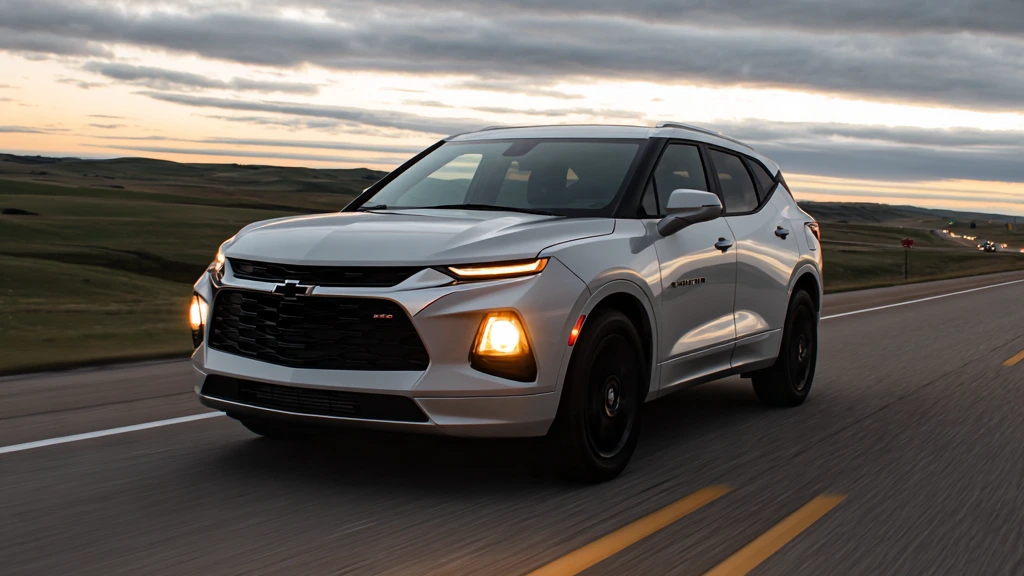
Nebraska is a relatively straightforward state to buy a car at auction. You don’t need a dealer license to bid on titled or salvage vehicles, boats, jet skis, and snowmobiles in categories open to private buyers.
That’s good news, but there are still a few costs and steps to consider before and after the auction. Nebraska charges a 5.5% state sales tax, plus any applicable local sales tax, when you register the vehicle. You generally have 30 days to complete registration. If you buy a salvage vehicle, you’ll also need a Sheriff’s Inspection before you can legally drive it on public roads.
These requirements are manageable with a little preparation. The key is to understand the registration process, taxes, and inspection requirements before you bid.
Key Takeaways
- No dealer license is required in Nebraska for private individuals to bid on titled or salvage vehicles, boats, jet skis, or snowmobiles.
- Nebraska charges 5.5% state sales tax on vehicles, plus local tax that varies by jurisdiction.
- For most residents, the applicable rate is the combined state and local rate for the location where the vehicle will be registered.
- The title fee is $10. A lien adds a $7 notation fee, bringing the total to $17. The Sheriff’s Inspection fee is $10.
- You have 30 days from the date of purchase to title and register the vehicle and pay the applicable taxes. Penalties and interest apply after that.
- Out-of-state vehicles generally require an identification inspection. The inspection certificate expires after 90 days.
- Nebraska brands rebuilt vehicles as “Previously Salvaged,” and the brand is permanent.
- Nebraska does not issue its own non-repairable titles, but it carries forward out-of-state brands, including “Non-Highway Use,” which prevents a vehicle from being registered.
Who Can Bid: The Short Answer
Copart’s Nebraska licensing page lists private individuals, businesses, exporters, dealers, and dismantlers as eligible buyers of titled and salvage vehicles, as well as boats, jet skis, and snowmobiles. Private individuals don’t need a business or dealer license to buy eligible vehicles.
Still, there are two things to keep in mind:
- Eligibility is also determined on a per-lot basis. A seller can restrict individual vehicles to ‘Dealer Only’; when they do, the listing shows an eligibility notice. You’d need to use a registered broker, such as AutoBidMaster, to bid on that item.
- Eligibility rules can also vary by vehicle type and change over time. Check the lot page or current Nebraska licensing requirements before assuming a particular vehicle is available to you.
What Nebraska Actually Costs You
This is where the real planning happens, because the winning bid is only part of the total cost.
Sales Tax
Nebraska charges 5.5% state sales tax on motor vehicle purchases. Local jurisdictions add their own tax on top, and the rate varies across the state.
For most Nebraska residents, use the combined state and local rate for the location where the vehicle will be kept and registered. Rather than guessing, check these two official tools before setting your maximum bid:
- The Nebraska Department of Revenue’s local rate lookup for your city and county
- The Nebraska DMV Vehicle Tax Estimator, which also covers registration costs
Your County Treasurer can confirm the exact amount.
Note: You don’t pay sales tax at the auction. The County Treasurer collects it when you register the vehicle, using Form 6, the Nebraska Sales/Use Tax and Tire Fee Statement. If you’ve already paid sales tax to another state on the same vehicle, Nebraska credits that amount against what you owe.
Fixed Fees
| Item | Cost |
| Certificate of Title | $10 |
| Lien notation (when there’s a lien) | $7 |
| Title with lien noted, total | $17 |
| Sheriff’s Inspection | $10 |
| Duplicate title | $14 |
| Salvage Certificate of Title | $10 |
Registration costs vary. Nebraska charges a motor vehicle tax based on the vehicle’s original MSRP, adjusted for age, plus a motor vehicle fee based on value, weight, and use. The Motor Vehicle Tax Calculation Table can give you an estimate.
Two things to keep in mind:
- Payment methods vary. Some rural counties may charge a processing fee for credit or debit card payments, while others prefer cash or checks.
- Timing for salvage titles. Converting a standard title to a Salvage Certificate of Title costs $10. If you later repair the vehicle, you’ll pay the $10 Sheriff’s Inspection fee, then another $10 Certificate of Title fee to issue the new, permanent “Previously Salvaged” title.
A $5,000 Vehicle, Start to Finish
| Item | Amount |
| Winning bid | $5,000 |
| Nebraska car auction fees | Vary |
| Broker transaction fee | Varies by membership |
| Gate fee | $79-$95, depending on the yard |
| Transport | Get a quote before bidding |
| Nebraska sales tax (5.5%) | $275* |
| Local sales tax | Depends on your address |
| Title fee | $10 |
| Sheriff’s inspection | $10 |
| Registration | Use the DMV estimator |
* State tax alone adds $275 to a $5,000 purchase, before local tax. Factor it into your maximum bid.
Why Nebraska Buyers Still Use AutoBidMaster
If no license is needed, what does a broker add?
Paperwork that works at the county window. Nebraska handles vehicle titling and registration through 93 County Treasurer offices. You’ll need a properly assigned title, a completed Application for Certificate of Title, Form 6 for tax reporting, proof of Nebraska insurance, and a Sheriff’s Inspection certificate, if required. AutoBidMaster helps with the paperwork so you can submit the required documents to your county.
Buying in Nebraska and registering in Nebraska. AutoBidMaster processes in-state purchases without issuing export-only documents. That matters because paperwork intended for export may not be accepted for in-state registration. When you buy a Nebraska vehicle as a Nebraska resident through AutoBidMaster, you receive documents intended for registration in your state.
Getting the vehicle home. Nebraska is a large state, and many buyers live hours from the nearest auction yard. Many Copart vehicles are also located out of state. AutoBidMaster can help arrange transport, including to rural addresses where carrier availability may be limited.
People who know the process. Auctions move quickly, and lot requirements vary. Getting help checking a lot’s restrictions, title type, and fees before bidding can help you avoid costly surprises.
For more details, read our guide on how to buy a used car in the USA online.
Nebraska Auto Auction Rules: How Bidding Works
Copart auctions run in two stages, and understanding both can make a real difference to what you pay.
Preliminary bidding opens when a vehicle gets a sale date, usually days or weeks in advance. You enter your maximum bid, and the Bid4U system bids on your behalf, one increment at a time. Your maximum stays hidden from other bidders, and you can win for less than that amount. If someone outbids you, you’ll get an email and can raise your maximum.
Live bidding takes place on sale day. Vehicles go up one at a time in lot order. A countdown timer runs and resets with each new bid. Most lots sell in under a minute.
Three things worth knowing before your first sale:
- The live auction opens at the highest preliminary bid, so your pre-bid sets the starting point.
- If a preliminary bid and a live bid tie, the live bidder wins.
- Bids can be increased but never canceled or lowered.
You can use both stages. Place a preliminary bid to establish your position, then join the live auction if you want the option to bid higher.
The 30-Day Clock
Nebraska gives buyers 30 days from the date of purchase to obtain a title, pay sales tax, and register the vehicle. If you miss the deadline, the County Treasurer assesses penalties and interest at the statutory rate. So start the paperwork while the vehicle is still in transit.
For titling, you’ll need:
- The Certificate of Title, properly assigned
- An Application for Certificate of Title
- Proof of current Nebraska financial responsibility (insurance)
- A Sheriff’s Inspection certificate, where required
- Form 6 for sales tax
- Payment for fees and taxes
For titling and first-time registration, Nebraska requires an original insurance document. Photocopies are not accepted, although an electronic image displayed on a device may be acceptable.
For registration, after the title is issued, you’ll need:
- Your Nebraska Certificate of Title
- Proof of financial responsibility (insurance)
- Proof that sales tax has been paid
- Payment for car registration fees
Submit the paperwork to the County Treasurer’s office in your county of residence, not to a central DMV branch. Nebraska maintains electronic title records. You can find your local office in the DMV’s County Treasurer directory.
The Sheriff’s Inspection
Nebraska requires a County Sheriff’s Inspection for:
- Any vehicle with an out-of-state title
- Any vehicle with a Salvage Certificate of Title
- Assembled vehicles
- Vehicles that need an assigned ID number
During the inspection, the sheriff checks the vehicle’s VIN against the title and records the odometer reading. The fee is $10.
A couple of practical details worth knowing:
- For a salvage rebuild, the inspection must take place in Nebraska.
- For an ordinary vehicle with an out-of-state title, Nebraska may accept an inspection performed by another state’s state police agency using Form NSP-455.
- For a salvage rebuild, the inspection certificate expires after 90 days, so don’t schedule the inspection too far in advance of titling.
- Many county motor vehicle offices have an on-site inspection station.
- Douglas County, which includes Omaha, has only one inspection location, so plan ahead if you’re registering your vehicle there.
Buying Salvage in Nebraska
Nebraska doesn’t use the term “rebuilt.” A repaired salvage vehicle receives a title branded “Previously Salvaged,” and that brand carries forward to every title issued afterward.
What Makes a Vehicle Salvage
The DMV defines a salvage vehicle as a late-model vehicle damaged to the point where the estimated repair cost exceeds 75% of its retail value at the time of damage.
“Late model” means the vehicle either:
- Is 7 years old or less, based on the manufacturer’s model year designation, or
- Has a retail value above $12,500 — increasing to $13,000 on January 1, 2030
An owner can also voluntarily obtain a salvage brand regardless of the vehicle’s age, value, or damage.
Note: A vehicle with a Salvage Certificate of Title cannot be registered or driven on public roads until it completes the Previously Salvaged titling process.
The Previously Salvaged Process
Repair the vehicle. Repair all damage, replace airbags, ensure safety glass is in place and the lights work, and make sure all major components — including the body, frame, front and rear clips, engine, transmission, and axles — are present and properly attached.
Keep every receipt. Work orders and parts invoices are part of the application. Missing documentation can delay the process.
Get a Nebraska Sheriff’s inspection for the vehicle. The fee is $10, the certificate is valid for 90 days, and the inspection must take place in Nebraska.
Apply through your County Treasurer. Submit the Salvage Certificate of Title, the inspection certificate, your receipts, and the Application for Certificate of Title. The title fee is $10.
For questions about salvage or Previously Salvaged titles, contact the Nebraska DMV at (402) 471-3918.
Out-of-State Brands Carry Forward
Nebraska does not issue a separate non-repairable or certificate-of-destruction title. Severely damaged vehicles are handled through the salvage system, and a salvage vehicle can be repaired, inspected, and returned to the road with a Previously Salvaged title.
Nebraska also carries forward damage brands from out-of-state titles, along with the name of the state that issued them. The DMV specifically lists these brands:
- Damaged
- Flood
- Junked, if the brand does not represent a certificate of destruction in the issuing state
- Manufacturer Buyback
- Non-Highway Use
- Previously Salvaged
- Rebuilt
- Reconstructed
- Repaired
- Total Loss
- Any other wording indicating damage
Two deserve attention before you bid:
- Non-Highway Use is explicitly not eligible for registration.
- A “Junked” brand may be carried forward only if it does not represent a certificate of destruction in the issuing state.
Because the rules vary by state and title type, confirm the exact document with the Nebraska County Treasurer before bidding.
Also, check the vehicle listing for the title type and issuing state. These issues may not be easy to resolve after purchase, and brands can remain part of a vehicle’s history in NMVTIS.
Frequently Asked Questions
Do I need a dealer license to bid at a public car auction in Nebraska?
No. Private individuals can bid on titled and salvage vehicles, boats, jet skis, and snowmobiles without a dealer or business license. However, sellers may restrict individual lots to dealers. These restrictions are noted in the listing.
What is the sales tax on auction cars in Nebraska?
The state rate is 5.5% on motor vehicles. Local jurisdictions add their own tax, which varies by city and county. For most residents, the applicable rate is the combined state and local rate for the location where the vehicle will be registered. Check the Department of Revenue’s rate lookup or ask your County Treasurer.
How much is the Nebraska title transfer fee?
The title fee is $10. If there’s a lien, the $7 lien notation fee brings the total to $17.
How long do I have to register an auction purchase?
You have 30 days from the purchase date to title and register the vehicle and pay the applicable taxes. Penalties and interest apply after that.
What is the Sheriff’s Inspection, and when do I need one?
It’s a $10 VIN and odometer verification performed by your County Sheriff. It’s required for out-of-state titles, salvage titles, assembled vehicles, and applications for an assigned ID number. The certificate is valid for 90 days.
How do I register a salvage car bought at a Nebraska salvage vehicle auction?
Repair the vehicle to meet Nebraska’s requirements, keep all work orders and parts receipts, and get the Sheriff’s Inspection in Nebraska. Then submit the salvage title, inspection certificate, receipts, and Application for Certificate of Title to your County Treasurer to obtain a Previously Salvaged title.
What makes a vehicle salvage in Nebraska?
A vehicle qualifies as salvage if it meets Nebraska’s definition of a late-model vehicle — 7 years old or less, or worth more than $12,500 — and its estimated repair costs exceed 75% of its retail value at the time of damage. Owners can also voluntarily obtain a salvage brand.
Can I drive a car with a salvage title in Nebraska?
No. It cannot be registered or driven on public roads until it passes inspection and receives a Previously Salvaged title in Nebraska.
Can I buy a non-repairable or parts-only vehicle and title it in Nebraska?
Nebraska doesn’t issue its own non-repairable titles, but it carries forward damage brands from other states. A vehicle branded “Non-Highway Use” is not eligible for registration, and an out-of-state junk title that serves as a certificate of destruction cannot be converted to a Nebraska title. Confirm the exact document type with your County Treasurer before bidding.
Where do I go to title and register a vehicle?
Go to your County Treasurer’s office in the county where you live. Nebraska handles titling and registration at the county level across all 93 counties.
Can I bid online from anywhere in Nebraska?
Yes. Public auto auctions in Nebraska take place entirely online, so your location affects shipping costs and timing, not your ability to bid.
Final Thoughts
Nebraska makes it easy for private buyers to purchase vehicles at online car auctions. No dealer license is required for eligible lots, and both the title fee and Sheriff’s Inspection fee are $10.
Two things can make the difference between a smooth purchase and unexpected complications.
The first is tax. Look up your combined state and local rate before you bid, not after you win, and factor it into your maximum bid.
The second is the 30-day registration deadline. It generally runs from the purchase date, which Nebraska defines as the earlier of the title date or the date you take possession. Don’t assume transport time gives you extra time to complete the paperwork.
Plan for both, and you’ll be better prepared to handle the remaining steps with your County Treasurer.
Ready to start? AutoBidMaster gives Nebraska buyers access to Copart inventory nationwide, handles transport, and processes in-state purchases with documents your County Treasurer will accept. Registration is free, and a refundable deposit activates bidding. Our Buyer Services team can walk you through a specific lot or estimate the total cost before you commit.
Sources (accessed October 2026):
- Nebraska DMV – Motor Vehicles Salvage Titles
- Nebraska DMV – New to Nebraska
- Nebraska DMV – Vehicle Inspections
- Nebraska DMV – Motor Vehicle Tax Calculation Table
- Nebraska DMV – County Treasurer Listing
- Nebraska Department of Revenue – Sales and Use Tax
- Nebraska Department of Revenue – Form 6, Sales/Use Tax and Tire Fee Statement
- Nebraska Revised Statute 60-172
- Copart – Nebraska Licensing Requirements
- AutoBidMaster – Copart Broker
Disclaimer: This article on how car auctions work in Nebraska is for informational purposes only and should not be considered legal, financial, insurance, or registration advice. Vehicle title, bidder registration, vehicle inspection, Nebraska car auction bidding rules, and insurance requirements may change and can vary by vehicle, title type, buyer status, and local regulations. Always verify the latest requirements with the Nebraska Department of Motor Vehicles, your insurance provider, and other relevant authorities before bidding on or purchasing a salvage or titled vehicle.

- Buying Copart Vehicles in Nebraska: A Private Buyer’s Guide - October 22, 2026
- A 2026 Guide to Copart Auctions in Alaska: Public Access, Fees, and Buying Rules - October 16, 2026
- Ford F-150 Years to Avoid (and the Best Ones to Buy) - October 15, 2026