
Illinois Salvage Auctions: Title Rules and Lemon Laws to Know
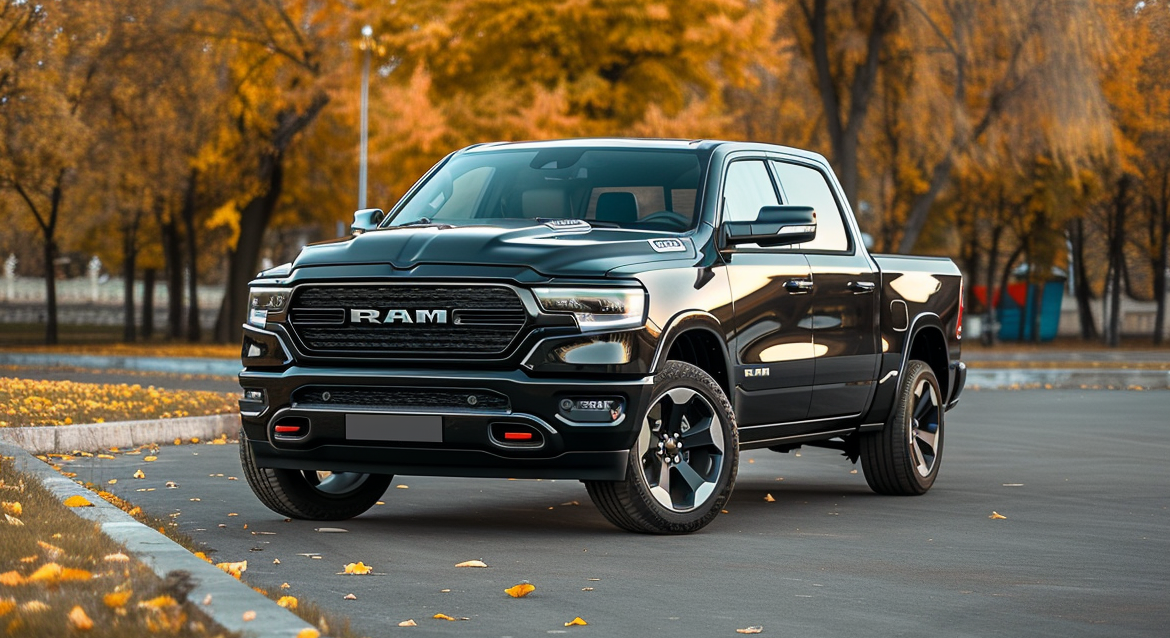
Buying at Illinois auto auctions can save you thousands of dollars, but there’s more to it than just finding the cheapest bid. The difference between a great deal and an expensive mistake usually comes down to how well you research the vehicle. You must also understand what legal protections do (and don’t) apply to salvage purchases.
We’ve seen buyers get incredible bargains on repairable vehicles. We’ve also seen people end up with projects that cost far more than expected because they assumed lemon laws would protect them.
This guide covers the practical side of buying used cars online in Illinois—how to dig into a vehicle’s history, what Illinois salvage title rules mean for your purchase, and why lemon law protections won’t help you at auction. We’ll also walk through what to inspect before bidding and how to budget for the full rebuild process.
Understanding Illinois Salvage Title Rules and What They Mean for Buyers
Illinois handles damaged vehicles through a title branding system that controls what you can legally do with a vehicle after buying it at auction.
When an insurance company declares a vehicle a total loss in Illinois, it gets a salvage title. Here’s what that means in practice:
- You can’t drive it on public roads while it has a salvage title Illinois
- The vehicle needs to be towed or trailered from the auction yard
- You can’t register it until repairs are done and it passes inspection
- Getting it back on the road requires going through the Illinois rebuilt title process
The rebuilt title process isn’t just paperwork. The Illinois Secretary of State’s office needs to inspect the vehicle, review your repair documentation, and verify it meets safety standards before you can get a rebuilt title and register it.
Think of salvage versus rebuilt this way: a salvage title means the vehicle is still damaged and off-limits for road use. A rebuilt title means it’s been fixed, inspected, and approved to drive again.
How to Conduct an Illinois Title Search and Verify Vehicle History
Before you bid on anything at Illinois auto auctions, checking the vehicle’s history is probably the most important thing you can do. It’s like looking at a home inspection report before buying a house. The issues you can’t see during a quick walkthrough often matter more than the ones you can.
Start with a VIN lookup Illinois check using multiple sources:
- Get a vehicle history report through ClearVIN
- Use the National Motor Vehicle Title Information System (NMVTIS) at vehiclehistory.bja.ojp.gov for federal records
- Check Illinois DMV records through the Secretary of State’s office
- Confirm the Illinois car title status to see any branding and ownership changes
An Illinois DMV title check shows you:
- Previous title brands like salvage, flood damage, or hail damage
- Odometer readings over time and whether they’ve been verified
- Accident history reports and insurance claims filed
- How many owners the vehicle has had
- Specific vehicle damage classification details
When you’re looking through these records, watch for mileage that doesn’t add up, gaps where ownership history is missing, or cases where the title changed hands several times in just a few months. These are usually signs of problems that won’t show up in a quick visual inspection.
Create an account with AutoBidMaster to see detailed vehicle listings and start researching what’s available across Illinois locations.
What Illinois Lemon Laws Cover and Why Salvage Vehicles Are Different
A lot of buyers think salvage auctions come with the same consumer protections you’d get buying from a dealership. Understanding what Illinois lemon laws actually cover helps avoid disappointment later.
Illinois lemon laws apply to:
- New vehicles you bought or leased in Illinois
- Vehicles still covered by the manufacturer’s original warranty
- Defects that seriously impact how you can use the vehicle, its value, or safety
- Problems that show up in the first 12 months or 12,000 miles
Illinois lemon laws don’t cover:
- Vehicles you bought at salvage auctions
- Cars that already had salvage or damage title brands
- Vehicles sold “as-is” with no warranty
- Used cars you bought from private sellers
This matters because salvage cars Illinois buyers get at auction almost always come with absolutely no warranty. When you see “as-is,” that’s exactly what it means. You’re accepting the vehicle with every problem it has, whether you know about it or not.
Since lemon law protections don’t apply to salvage purchases, verifying the condition and understanding what repairs you’ll need is entirely on you.
Salvage Vehicle Inspection: What to Look for Before Bidding
Illinois vehicle inspection requirements for rebuilt titles are strict, but your own pre-bid inspection should be even more thorough. The best approach treats inspection as something you do in layers, not just a quick once-over.
During your salvage vehicle inspection, check:
| Inspection Area | What to Check | Why It Matters |
| Structural integrity | Frame damage, alignment problems, uneven panel gaps | Affects safety and how much repairs will cost |
| Mechanical systems | Engine condition, how the transmission shifts, brake function | Tells you if it’ll drive and what repairs you’ll need |
| Electrical components | Lights, sensors, computer systems, wiring condition | Modern cars depend heavily on electronics |
| Interior condition | Whether airbags deployed, water damage signs, unusual smells | Shows how severe the damage was |
| Documentation | Service records, repair receipts, where parts came from | You’ll need this for the rebuilt title application |
If you can swing it, hire a professional inspector before bidding. Auction viewing windows are often short, but even 15 minutes of focused inspection can catch problems that would cost thousands to fix.
For flood or hail damage vehicles, look past the obvious cosmetic stuff. Water damage frequently affects electrical systems months after the car was flooded. The Illinois rebuilt title inspection process is comprehensive enough that hidden problems will likely surface afterward.
Understanding Vehicle Damage Classification and Repair Costs
Illinois categorizes vehicle damage in ways that directly affect both how much repairs will cost and what the vehicle will be worth after you rebuild it.
Common vehicle damage classifications include:
- Minor damage: Cosmetic issues, damage to a single panel, nothing structural
- Moderate damage: Multiple damaged panels, possible mechanical issues, but repairable at a reasonable cost
- Severe damage: Structural damage, frame involvement, airbags went off, major mechanical problems
- Total loss: Repairs would cost more than a percentage of what the car was worth before (commonly around one-third in Illinois)
When you’re looking to buy salvage vehicle Illinois, put together a realistic repair budget that covers:
- What replacement parts will cost
- Labor rates in your area
- Specialty work, like frame straightening or electrical diagnostics
- Illinois vehicle inspection fees
- Costs to transfer the salvage title and apply for a rebuilt title
- Possible re-inspection if the first one turns up issues
A vehicle that looks like a steal at auction can get expensive fast once you factor in everything that comes after. Setting a conservative maximum bid that accounts for these post-sale costs keeps the total project cost from getting out of hand.
How to Navigate an Illinois Salvage Yard and Auction Participation
Illinois auto auctions work under specific rules that determine who can bid and how you access vehicles. Knowing these participation requirements before you start saves you from confusion and missed opportunities.
Auction participation usually involves:
- Creating an account with the auction platform
- Providing your ID and contact details
- Figuring out which listings let you bid directly
- Knowing when you might need broker assistance
Some used salvage cars at Illinois locations are open for anyone to bid on directly, while others might need credentialed accounts. It depends on who’s selling and what type of vehicle it is.
For Illinois repo cars and bank-owned vehicles, check out the bank vehicle listings to see what’s available and what requirements apply.
When you’re bidding at car auctions, keep in mind:
- Winning a bid means you’re committed to buying
- You’re responsible for arranging transportation
- Payment deadlines are firm
- Title transfer and registration follow Illinois DMV procedures
Register for free at AutoBidMaster to start bidding on salvage cars, repo vehicles, and bank-owned inventory across Illinois auction locations.
Post-Sale Steps: From Salvage to Rebuilt Title in Illinois
After you win a bid at Illinois salvage auctions, there’s still work to do before you can legally drive the vehicle. Understanding this process helps you plan your timeline and budget properly.
The typical path from salvage to rebuilt looks like this:
- Transportation: Set up vehicle pickup and delivery to wherever you’re doing repairs
- Repairs: Complete all the work and keep detailed records of everything
- Documentation collection: Save all repair receipts, parts invoices, and take before/after photos
- Inspection scheduling: Contact the Illinois Secretary of State’s Vehicle Services Department
- Inspection completion: Bring the vehicle and all documentation for the rebuilt title inspection
- Title application: Submit the required paperwork and fees for your Illinois rebuilt title
- Registration: Once you’re approved, register the vehicle so you can drive it
The Illinois salvage title transfer process needs specific documentation at every step. Missing paperwork or incomplete repair records can delay your rebuilt title application or force you to go through another inspection.
Getting salvage vehicle registration also means securing salvage car insurance, which often costs more or is harder to get than coverage for clean-title vehicles. Talk to insurance providers before bidding so you know what coverage exists and what rates to expect.
Common Pitfalls When Buying Cars Online at Illinois Auctions
Even buyers with experience occasionally run into unexpected problems when purchasing salvage vehicles. Recognizing these common mistakes helps you steer clear of them.
Issues that come up frequently:
- Underestimating total costs: Not budgeting enough for inspection, transportation, and repairs you didn’t see coming
- Skipping vehicle history verification: Bidding without doing an Illinois title search or checking the accident history report
- Ignoring odometer verification: Assuming the mileage shown is accurate without confirming it independently
- Overlooking insurance requirements: Not making sure you can get salvage car insurance before you buy
- Misunderstanding lemon law protections: Expecting consumer protections that just don’t apply to salvage purchases
- Rushing the inspection: Not spending enough time to really evaluate the vehicle’s condition
If you’re new to salvage auctions, starting with simpler projects—vehicles with minor damage and clear repair paths—gives you valuable experience before tackling tougher rebuilds.
Illinois DMV Check and Ongoing Record Maintenance
After you successfully rebuild and title your salvage vehicle, keeping accurate Illinois vehicle records protects your investment and makes future transactions easier.
Keep organized records of:
- Your original salvage title documentation
- Complete repair receipts and parts invoices
- Inspection reports and rebuilt title approval documents
- Current registration and insurance paperwork
- Odometer verification records
When you eventually sell a rebuilt vehicle, being transparent about its history makes buyers more confident. Providing complete documentation of the salvage-to-rebuilt process shows the quality of your repairs and helps justify your asking price.
An Illinois DMV check before selling confirms your title is current and properly branded, which prevents delays when you’re trying to close the deal.
Pros and Cons of Buying at Illinois Salvage Auctions
| Pros ✅ | Cons ❌ |
| Major savings compared to clean-title vehicles | Vehicles sold “as-is” with no warranty or lemon law protection |
| Access to newer models and repairable inventory | Strict inspection and rebuilt title requirements |
| Regular supply of insurance, repo, and bank-owned vehicles | Hidden damage might not show up during quick inspections |
| Clear rebuilt title process with defined steps | Salvage branding permanently affects resale value |
| Multiple auction locations across Illinois | Transportation and repair costs can exceed what you initially estimated |
Frequently Asked Questions
Do Illinois lemon laws protect salvage auction purchases?
No. Illinois lemon laws only apply to new vehicles that are still under warranty, not salvage vehicles sold “as-is” at auction. When you buy wrecked car Illinois, you’re accepting all defects, whether you know about them or not.
How do I verify vehicle history before bidding at Illinois auto auctions?
Run an Illinois title search through the Secretary of State, get a vehicle history report via NMVTIS, and request a VIN lookup Illinois check through ClearVIN or similar services. Review the car history database for accident reports and verify that the odometer readings look consistent.
Can I drive a salvage vehicle home after winning a bid in Illinois?
No. You can’t legally drive salvage vehicles on public roads. You need to arrange for it to be towed or trailered, then complete repairs and pass inspection before you can register it.
What does the Illinois rebuilt title process involve?
You complete all repairs, keep all your documentation, schedule an inspection with the Illinois Secretary of State’s Vehicle Services Department, pass that inspection, then submit your rebuilt title application with the required fees.
Are clean-title vehicles available at Illinois salvage auctions?
Some Illinois auto auctions offer clean-title vehicles alongside salvage inventory, but what’s available varies by location and seller. Clean-title vehicles are often dealer/broker-only and segregated (e.g., repo lots), so check the listing details to confirm title status before you bid.
How much does it cost to rebuild a salvage title vehicle in Illinois?
Total costs vary a lot based on how badly the vehicle is damaged. Expect to pay for parts, labor, transportation, inspection fees (usually $100-150), and title transfer costs. For moderate to severe damage, budget somewhere around 50-75% of what the vehicle was worth before it was damaged.
Sources (accessed January 2026):
- Illinois Secretary of State Vehicle Services Department – Salvage and Rebuilt Title Procedures
- National Motor Vehicle Title Information System (NMVTIS) – vehiclehistory.bja.ojp.gov
- Illinois Compiled Statutes – Motor Vehicles Chapter (625 ILCS 5/)
- Illinois Attorney General’s Office – Lemon Law Consumer Guide
Looking to buy salvage cars at an auction? Visit AutoBidMaster car auctions to find salvage cars, repo vehicles, and bank-owned inventory. Registration is quick, free, and gets you bidding right away.

- Illinois Salvage Auctions: Title Rules and Lemon Laws to Know - February 3, 2026
- Best Used Cars: 10 Top Picks for January 2026 - January 30, 2026
- How Many Miles Is Good for a Used Car? Expert Guide 2026 - January 30, 2026