
Vehicles With CVTs: Why Are They Good?

There are many factors to consider when buying a car, including fuel efficiency, body style, maintenance costs, and more. The transmission shouldn’t be overlooked, either, since it can significantly affect your driving experience. While automatic transmissions dominate the market, manual transmissions remain popular in some sports cars. Vehicles with CVTs are another option, especially for daily driving.
In this blog, we’re taking a close look at vehicles with CVTs and outlining everything you should know about this particular transmission type.
What Is a CVT and How Does It Work?
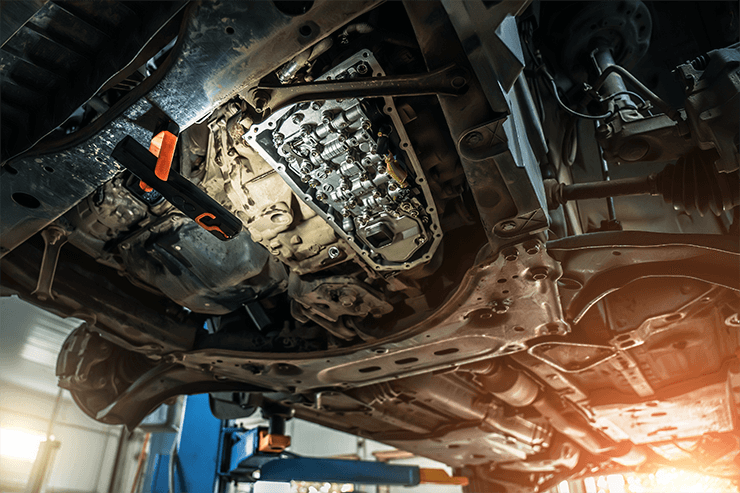
This abbreviation stands for continuously variable transmission. Vehicles with CVTs don’t have fixed gear ratios like conventional automatic transmissions. Cone-shaped pulleys and a V-shaped belt or chain are the main operating elements in many CVTs. These pulleys move continuously, adjusting the transmission ratio according to driving conditions, including acceleration and deceleration.
That said, you won’t find fixed gear ratios here. Instead, the pulleys change their effective diameter to continuously vary the transmission ratio between the engine and the wheels. This can help the engine operate within an efficient range and may improve fuel economy. Using a CVT also doesn’t require a clutch pedal, so driving one is similar to driving a conventional automatic transmission.
CVT Transmission: Pros and Cons

Some of the notable strengths of CVTs include:
- Efficiency
- Smoothness in urban areas
- Consistent power delivery
- Lightweight construction
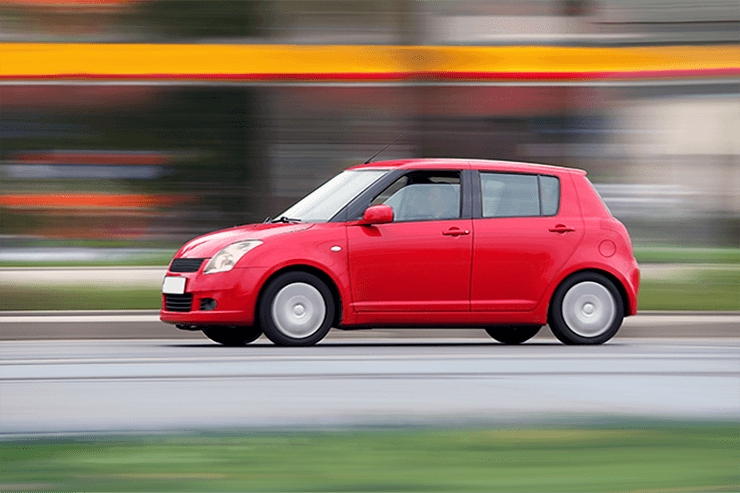
These advantages make CVT-equipped cars appealing, although they aren’t without drawbacks. Before considering a vehicle with a CVT, take the following into account:
- Older models can be noisier during acceleration than conventional automatic transmissions
- CVT repairs can be more expensive
- Not all CVTs are designed for demanding towing or heavy-duty use
Vehicles With CVT You Can Buy on AutoBidMaster
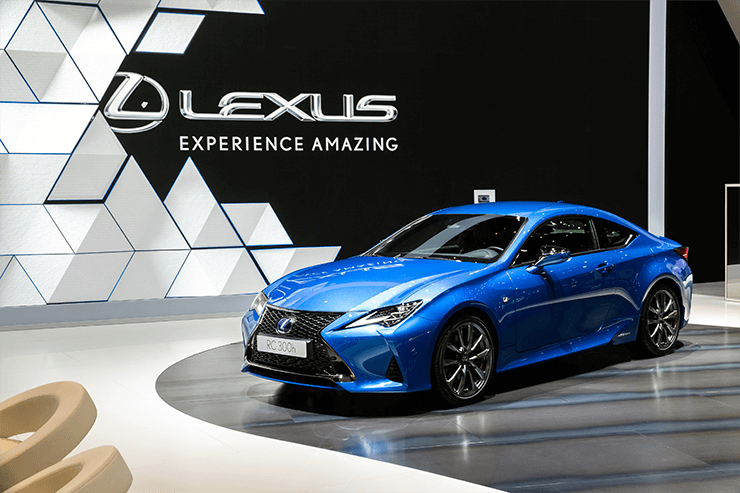
In the past, CVTs were often associated with small cars and commuter vehicles because of their potential for improved efficiency. However, modern manufacturers use CVTs in a wider range of vehicles.
Toyota and its affiliate brand Lexus offer several vehicles with CVTs. Options include the Toyota Corolla, Prius, RAV4, Lexus RC, and UX.
Audi and Honda have also offered CVT-equipped vehicles, although CVT availability varies by model and model year. Other Japanese manufacturers that have used CVTs include Nissan (Altima, Leaf, Maxima, Pathfinder, Rogue) and Mitsubishi.
CVT availability can vary by model year and trim, so check the specifications of the specific vehicle before bidding. With a wide selection of vehicles available, AutoBidMaster makes it easy to compare options.
Final Word
Vehicles with CVTs can be a good option if fuel economy is your priority. They are suitable for commuting and can provide smooth operation compared with conventional automatic transmissions.
If you’ve already found a car, we will be glad to help you navigate our online auction platform. Our support team can guide you through every step, making your experience with us as straightforward as possible.
Are you ready to start bidding? Sign up, upload a copy of your government-issued ID, make a security deposit, and choose a membership level that suits you.
Feel free to contact us online or call +1 (503) 298-4300 (4:00 AM–4:00 PM PST, Monday through Friday) with any questions.

- The Advantages of Salvage Car Parts - November 3, 2025
- Buying Salvage Cars: What to Expect on Auction Day - May 22, 2025
- Affordable Luxury: The Best Budget Luxury Cars for Families in 2024 - November 21, 2024