
How Many Miles Is Good for a Used Car? Expert Guide 2026
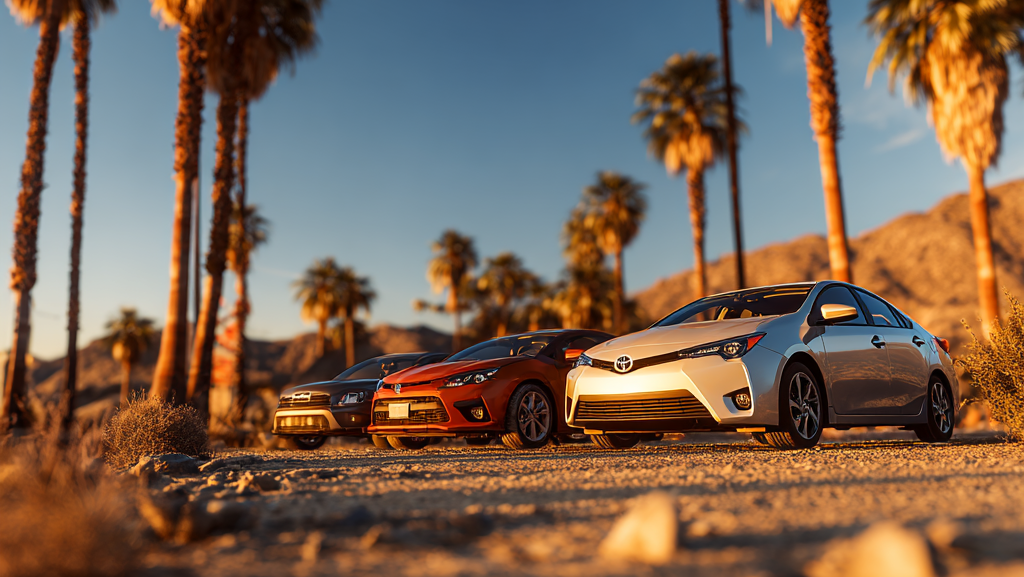
One of the most common questions buyers ask when shopping for a used car is: How many miles is too much for a used car? That odometer reading often determines whether a buyer takes the plunge or walks away. From what we’ve seen at auctions over the years, mileage is only part of the story. Condition and maintenance history matter just as much.
Modern vehicles are built to last significantly longer than earlier generations when properly maintained, with many capable of reaching 200,000 miles or more. That old rule—avoid anything over 100,000 miles—doesn’t hold up as much anymore.
Typical Annual Mileage Benchmarks
The Federal Highway Administration reports that most Americans rack up somewhere between 12,000 and 15,000 miles a year. That’s your baseline—the average mileage per year you should keep in mind when you’re evaluating a used vehicle.
Here’s the simple math to check if a car’s been driven normally:
- 3 years old: Should have around 36,000-45,000 miles
- 5 years old: Expect 60,000-75,000 miles
- 7 years old: Around 84,000–105,000 miles
- 10 years old: Approximately 120,000-150,000 miles
To estimate average annual mileage, divide the odometer reading by the car’s age. If you’ve got a 5-year-old car showing 65,000 miles, that’s about 13,000 miles per year—well within the typical range.
A used car with low miles isn’t automatically a winner. Sometimes, cars that sit around develop more issues: seals can dry out, fluids can degrade, and rust can form. Industry data and auction trends indicate that well-maintained high-mileage cars often outperform neglected low-mileage ones.
What Is Good Mileage on a Used Car?
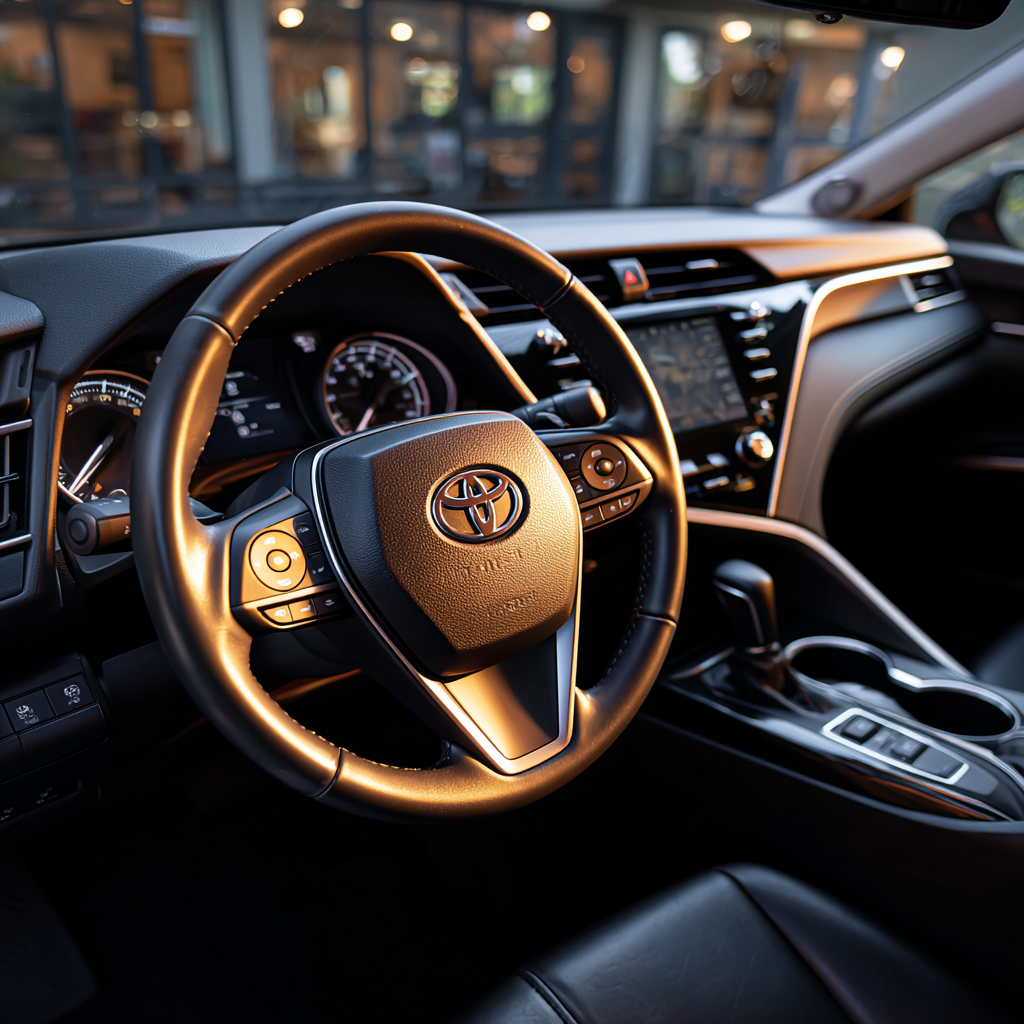
It depends on several factors. After evaluating thousands of vehicles, we can confidently say that context is everything.
The Sweet Spot: 30,000-60,000 Miles
This is the ideal mileage range for used car shopping. Here’s why:
- The car’s already taken its biggest depreciation hit
- Most factory warranties still have you covered (many go up to 60,000 miles)
- You haven’t hit those expensive maintenance milestones yet
- The car should easily last another 100,000+ miles
The Value Zone: 60,000-100,000 Miles
In this range, prices typically drop significantly, but modern cars still have plenty of life left. The catch? You need to verify the maintenance history carefully. Some major services, such as timing belt replacement, may be due soon.
Is 100000 Miles a Lot?
Not anymore. Buying a high-mileage car can actually make total sense if you do your homework. According to iSeeCars, certain models have a better than 20% chance of reaching 250,000 miles. Modern engines, especially those built in the last decade, are designed to use synthetic oils and advanced materials that routinely last far beyond the old 100,000-mile cutoff.
How to Actually Verify Mileage
Savvy buyers don’t just take the seller’s word for it. They verify. Here’s your used car inspection checklist:
1. Pull a Vehicle History Report
Services like VIN check from ClearVIN will show you documented mileage from state inspections, emissions tests, and service records. You can also use their Car Mileage Check by VIN to see all the mileage records compiled in one place.
2. Look at the Physical Wear
Check the brake and gas pedals, the driver’s seat, the steering wheel, and the gear shifter. If the car supposedly has under 75,000 miles, you should still see original tires unless the paperwork shows replacements. The dashboard should not be heavily faded, and the carpet should look decent.
3. Dig Through Maintenance Records
Oil change stickers and service receipts list mileage. Compare those numbers against what the odometer says now and what’s on the title.
4. Get a Professional to Look at It
A good mechanic can tell if the engine wear matches what the odometer claims. Spending $100-200 here can save you thousands down the road.
Car Odometer Fraud: Protecting Yourself
The problem of car odometer fraud is real. The National Highway Traffic Safety Administration estimates that over 450,000 cars with rolled-back odometers are sold each year. That results in billions of dollars in losses for buyers.
Odometer tampering signs to watch for:
- Scratches around the instrument cluster
- Dashboard screws that look loose or missing
- The title shows higher mileage than the odometer
- Service records with higher mileage readings
- Way too much wear for a “low-mileage” car
- Gauge cluster that looks recently replaced
Modern cars store mileage in multiple computers throughout the vehicle. A good diagnostic scan will catch inconsistencies that prove tampering. According to NHTSA, cars with rolled-back odometers lose an average of $3,300 in value, plus you get hit with unexpected maintenance costs.
Car Age vs. Mileage: Which Should You Care About More?
Both matter, but in different ways.
Older cars face problems from age alone: rubber parts deteriorate, UV exposure degrades plastics, rubber and interior materials, and rust happens. A 15-year-old car with only 60,000 miles might have a perfect engine, but dried-out seals and brittle wiring.
High-mileage cars show wear from actual use, including engine and transmission wear, worn brakes, and a tired suspension. For example, a 5-year-old car with 150,000 miles might need more immediate mechanical work.
In many cases, a newer car with moderate-to-high mileage is a better bet than an older car with very low mileage. A 4-year-old car with 80,000 miles is typically a better option than a 12-year-old car with 60,000 miles, assuming both were maintained properly.
Cars Known for Long-Term Reliability

Some brands build cars that last over 200,000 miles. When you’re shopping for the best mileage for used car longevity, these brands consistently top the charts:
Reliable used cars by brand:
1. Toyota (2.3% exceed 200,000 miles)
- Toyota Sequoia: 39.1% reach 250,000 miles
- Toyota Tundra: 36.6% reach 250,000 miles
- Toyota 4Runner: 29.5% reach 250,000 miles
- Toyota Camry and Corolla: Consistently reliable sedans
2. Honda (1.9% exceed 200,000 miles)
- Honda Accord, Civic, CR-V, Pilot—all solid choices
3. Lexus (Toyota’s luxury division)
- Lexus GX: 20.7% reach 250,000 miles
4. GMC (1.8%) and Chevrolet (1.6%)
- Sierra 2500HD, Silverado 2500HD
- Suburban: 22% reach 250,000 miles
Car reliability by mileage and vehicle type:
- Pickup trucks dominate the longevity rankings (Ford F-350, Toyota Tundra)
- Body-on-frame SUVs outlast car-based crossovers
- Midsize sedans from Honda and Toyota balance comfort with durability
- Hybrids like the Toyota Prius prove remarkably tough past 200,000 miles
Car Maintenance Mileage: When the Big Bills Hit
Understanding car mileage standards for maintenance helps you figure out what you’re getting into:
- 30,000-40,000 miles: Air filters, brake fluid, tire rotation
- 60,000 miles: Transmission fluid, brake pads, coolant flush
- 90,000-100,000 miles: Timing belt (if your car has one), water pump, complete brake job
- 120,000+ miles: Suspension check, transmission work
When checking out a high-mileage car, ask if these services have been done. A car at 110,000 miles with documentation for a recent timing belt and brake service can be a better value than a 90,000-mile car with deferred maintenance.
Highway Miles vs. City Miles
Not all miles are created equal when it comes to wear on a car:
Highway miles (easier on the car): Steady cruising speeds, less braking, the engine stays at an ideal temperature, with minimal stop-and-go stress. A car with 100,000 highway miles often shows less wear than one with 60,000 city miles.
City miles (harder on everything): Constant speeding up and slowing down, lots of cold starts, transmission always shifting gears. Former fleet cars and rentals? Those racked up city miles.
Title Statuses You Should Know
Factor this into your used car value calculator:
- Clean title vehicles get top dollar
- Salvage title cars sell for 20-50% less
- Rebuilt title vehicles require especially thorough inspections
The Bottom Line
So, how many miles is good for a used car? There’s no magic number. It’s about understanding the full picture.
What you need to remember:
- Modern cars routinely cruise past 200,000 miles with proper care
- 12,000-15,000 miles per year is your benchmark
- Maintenance history beats raw mileage numbers every time
- Toyota, Honda, and Lexus show superior longevity
- Highway miles are easier on cars than city miles
- Odometer fraud is real—verify everything
- Balance age and mileage based on what you need
A well-maintained Toyota Camry with 120,000 miles will often run better than a neglected luxury sedan with 60,000 miles. Trust the data, verify the facts, and don’t let a six-figure odometer reading automatically kill a deal. With today’s engineering, 100,000 miles is often just getting started.
Looking to buy your next car at auction? Register on AutoBidMaster—it’s quick, free, and lets you bid right away.
Frequently Asked Questions
Is 100,000 miles on a car bad?
Not anymore. Modern vehicles are designed to easily exceed 200,000 miles with proper maintenance. A well-maintained car at 100,000 miles often has another 100,000+ miles left in it. Focus on maintenance history and overall condition, rather than just the mileage number.
How can I tell if an odometer has been rolled back?
Check if physical wear matches the reported mileage, get a vehicle history report, compare title documentation, and look for signs of dashboard tampering. A thorough pre-purchase inspection includes diagnostic scans that can reveal mileage stored in multiple systems throughout the car, linked to the vehicle identification number (VIN).
What’s better: a newer car with high mileage or an older car with low mileage?
Generally, newer cars with moderate to high mileage prove more reliable. A 4-year-old vehicle with 80,000 miles typically offers better value than a 12-year-old car with 60,000 miles. Older vehicles suffer from vehicle age and mileage deterioration regardless of how little they’ve been driven.
At what mileage should I avoid buying a used car?
There’s no absolute cutoff for car lifespan mileage. Research the specific model’s reliability. Cars from Toyota, Honda, and Lexus handle high mileage way better than many luxury vehicles. Maintenance history matters more than any specific car mileage limit threshold.
Does the type of miles really make a difference?
Absolutely. Highway miles involve steady speeds with less wear and tear. City miles include constant acceleration, braking, and frequent cold starts. A car mileage checker won’t tell you this, but a vehicle with 100,000 highway miles often shows way less deterioration than one with 60,000 city miles. Also, watch for used car red flags when doing your used car inspection tips assessment, especially when checking used car odometer readings and car odometer accuracy.
Sources (accessed January 2026):
- Federal Highway Administration – Highway Statistics
- Kelley Blue Book – Average Miles Driven Per Year (July 2025)
- iSeeCars – Longest-Lasting Cars Study (October 2025)
- National Highway Traffic Safety Administration – Odometer Fraud
- Progressive Insurance – What Is Good Mileage for a Used Car
- Consumer Reports – Longest-Lasting Vehicles to 200,000 Miles
- AutoNation USA – Used Car Mileage Guide

- Pros and Cons of Vehicles With a Salvage Title - March 12, 2026
- How to Register a Vehicle in Nevada: Requirements and Key Rules - March 12, 2026
- Insurance Options for Rebuilt Salvage Cars Explained - March 4, 2026