
Is a Car Drivable After Airbags Deploy? Safety & Legal Guide
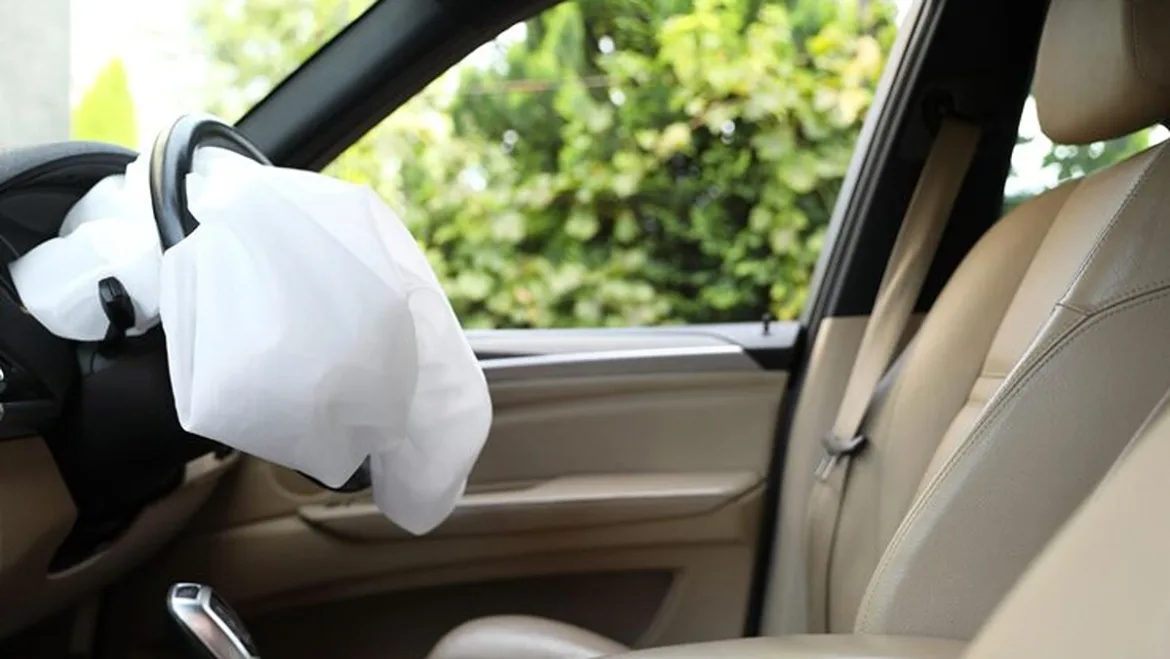
Table of Contents
The short answer is no. Once your airbags deploy, the car should not be driven except to move it out of immediate danger. What may appear to be a still-running vehicle after a crash is often a machine with damaged safety systems, compromised sensors, and no protection if you are involved in another collision on the way to the repair shop.
According to the National Highway Traffic Safety Administration, frontal airbags have saved more than 50,000 lives since their introduction. Once deployed, however, an airbag system can no longer provide the same level of protection until it has been properly repaired and replaced.
This AutoBidMaster guide explains what happens to your car when the airbags deploy, whether it is legal to drive, what replacement may cost, and when insurers are likely to declare the vehicle a total loss.
Key Takeaways
- Airbags are single-use devices. Once deployed, they can’t be reset or repacked, and the airbag system needs replacement before the car can be considered safe to drive.
- Many modern cars shut off fuel delivery or disable the engine after airbag deployment, so the car may not restart.
- NHTSA credits airbags with reducing front-crash fatalities by 34%, and 61% when the occupants are wearing seat belts.
- Airbag replacement can range from about $500 to $2,000 per airbag, plus labor costs that may vary by repair shop and vehicle.
- No federal law outright bans driving with deployed airbags, but a nonfunctional SRS system may cause the vehicle to fail a safety inspection in many states.
- Insurers may declare a vehicle a total loss when repairs hit 70% to 80% of its value, and airbag replacement can significantly contribute to that total.
- Driving without functioning airbags increases the risk of serious injury or death in another collision, while remaining deployment residue may cause temporary smoke and dust irritation.
Will the Car Start After Airbag Deployment?
Frequently, no. Automakers build in shutdown responses for situations like this — a crash signal or, in some vehicles, an inertia switch can cut fuel delivery after sensors detect a severe impact. The reason is simple: a running engine near a damaged fuel system can increase the risk of fire.
If the car does restart, driving it is still a problem. The deflated driver’s airbag may cause steering difficulty and block your view. The steering wheel or hub where the airbag deployed may be cracked or damaged. Your seat belt may not retract or function properly because the pretensioner likely fired at the same time as the airbag, and those components are also single-use. The dashboard may also light up with warning indicators — SRS, ABS, traction control, and other systems.
Why You Should NOT Drive with Deployed Airbags
Everything above is an inconvenience. This is the real problem.
A deployed airbag protects no one. If another collision happens moments later, there is no supplemental restraint left to protect you. You are driving a vehicle whose safety system has already been used.
Meanwhile, the crash that triggered the airbag may have bent frame rails, damaged structural components, or compromised the vehicle’s crumple zones. These problems are not always obvious from behind the wheel, even at low speeds. Crash sensors can also be damaged, meaning systems that normally help prevent or reduce collisions, such as stability control or automatic emergency braking, may not function correctly.
There is also a smaller concern. The white powder released during deployment is typically a combination of lubricant used to help the folded airbag open and byproducts from the inflator process. It is usually not harmful in a ventilated area, but it can irritate your eyes, skin, or airways in an enclosed cabin.
Is It Legal to Drive After Airbag Deployment?
Federally, no law specifically says you cannot drive a vehicle after its airbags have deployed. The practical restrictions usually come from state laws, safety inspections, and vehicle registration requirements.
FMVSS 208 sets federal standards for occupant crash protection in new vehicles, including airbag requirements. Many states use safety inspection programs that require vehicles to have functioning safety equipment, and a vehicle with an inoperative SRS system may fail inspection or create problems during registration renewal. Some states may also issue citations for operating a vehicle with required safety equipment that is not functioning properly.
In other words, driving with deployed airbags may not be explicitly illegal everywhere, but it can create safety, inspection, and legal issues depending on where you live.
The One Exception
Move the vehicle only if leaving it where it is creates a greater immediate danger. Blocking an active traffic lane, sitting beyond a blind curve, leaking fluids near bystanders, or being directed to move by a responding officer are situations where relocating the vehicle may be necessary.
If you must move it, get it to a safe location such as the shoulder or a nearby lot, then stop driving. The goal is only to remove the immediate hazard, not to continue operating a vehicle with a disabled safety system.
What to Do After Airbags Deploy
- Check everyone for injuries and call 911 if medical assistance is needed.
- Turn off the engine and activate your hazard lights.
- Photograph the damage and the accident scene before moving the vehicle.
- Arrange for a tow.
- Report the deployment to your insurer — it may become part of your claim process.
- Take the vehicle to a collision repair shop that can provide a quote using approved replacement airbag components. NHTSA has warned about counterfeit inflators, including illegally imported replacement parts, appearing as low-cost alternatives after airbag deployment.
This last point is critical: a counterfeit inflator may fail to deploy properly or can rupture during deployment, creating an additional safety risk.
Insurance and Airbag Deployment
A deployed airbag does not automatically total a vehicle. The insurer typically compares the estimated cost of repairs with the vehicle’s actual cash value and applies the total loss rules for your state.
The following table provides a general 2026 reference:
| State | Total Loss Threshold |
| Alabama | 75% |
| Arkansas | 70% |
| Colorado | 100% |
| Connecticut | 80% |
| Delaware | 75% |
| Florida | 80% |
| Georgia | 75% |
| Hawaii | 75% |
| Idaho | 80% |
| Illinois | 80% |
| Indiana | 70% |
| Iowa | 50% |
| Kansas | 75% |
| Kentucky | 75% |
| Louisiana | 75% |
| Maine | 75% |
| Maryland | 75% |
| Massachusetts | 75% |
| Michigan | 75% |
| Minnesota | 70% |
| Mississippi | 75% |
| Missouri | 80% |
| Montana | 80% |
| Nebraska | 75% |
| Nevada | 65% |
| New Hampshire | 75% |
| New Jersey | No threshold. Insurer discretion |
| New Mexico | 75% |
| North Carolina | 75% |
| North Dakota | 75% |
| Ohio | No threshold. Insurer discretion |
| Oklahoma | 60% |
| Oregon | 80% |
| Pennsylvania | No threshold. Insurer discretion |
| Rhode Island | 75% |
| South Carolina | 75% |
| South Dakota | 80% |
| Tennessee | 75% |
| Utah | 80% |
| Vermont | 80% |
| Virginia | 75% |
| Washington | 80% |
| West Virginia | 75% |
| Wisconsin | 70% |
| Wyoming | 75% |
And airbag replacement costs can be high enough to affect that calculation significantly:
- Driver-side front airbag: $500 to $1,500
- Passenger-side front airbag: $1,200 to $2,000
- Side curtain airbag: $700 to $1,500 each
- Knee or seat-mounted airbag: $400 to $1,000
Four airbags plus labor can push repair costs into the thousands before anyone even accounts for a damaged bumper, fender, or other crash-related repairs. On a twelve-year-old sedan worth $6,000, the numbers often no longer make financial sense, and the vehicle may be declared a total loss and later appear at a salvage auction with a branded title.
If that happens to your vehicle, understanding what a branded title means can help you make better decisions moving forward. Our salvage vs clean title comparison explains the key differences.
Read also: What is a salvage title?
Buying a Vehicle With Deployed Airbags: What to Inspect
Many auction vehicles have a history of airbag deployment. That alone does not automatically make a vehicle a bad purchase, but it changes what you need to inspect.
Confirm that the airbag system was properly repaired and request documentation of the work. Run the VIN through NHTSA’s recall database to check for open recalls, including Takata inflator recalls affecting certain vehicles from the 2002–2015 model years. Then check the SRS warning light at startup: it should illuminate briefly during the system check and then turn off. A warning light that never appears can indicate that the bulb was removed or the system was altered to hide a fault.
A vehicle with unrepaired airbags may still drive normally, but it will not provide the protection its safety system was designed to deliver.
Bottom Line
Deployed airbags mean towed, not driven. The vehicle may still run, but it no longer has functioning occupant protection, may have hidden structural damage, and may fail inspection until the safety system is properly repaired.
Move it only if leaving it where it is creates a greater hazard. Otherwise, call for a tow and let a qualified professional determine what the crash actually damaged.
FAQ
The airbag deployed. Can I drive my car?
No. A car with deployed airbags shouldn’t be driven except to move it out of danger. The vehicle’s airbag system has been used, and there may also be hidden damage to sensors or structural components.
Will a car start after airbags deploy?
Sometimes. Some vehicles automatically shut down fuel delivery or turn off the engine after a serious crash, while others may restart normally. Even if the car starts, it may not be safe to drive until the airbag system is repaired.
Is driving with deployed airbags legal?
There is no federal law that bans driving a car after an airbag goes off. However, state inspection rules and safety equipment requirements may prevent registration or cause the vehicle to fail inspection if the SRS system is not functioning properly.
How much does it cost to replace deployed airbags?
Airbag replacement typically costs about $1,000 to $2,000 per airbag. The total depends on the vehicle, parts, labor, and whether related components also need replacement.
Sources (accessed July 2026):
- National Highway Traffic Safety Administration (NHTSA)
- Insurance Institute for Highway Safety (IIHS)
- ConsumerAffairs.com
- CarInsurance.com

- Buying Copart Vehicles in Montana: A Private Buyer’s Guide - November 3, 2026
- 2026 Summer Rebuild Challenge: Introducing the Winners - October 27, 2026
- Buying Copart Vehicles in Nebraska: A Private Buyer’s Guide - October 22, 2026