
What Is a Salvage Title? Everything You Need to Know
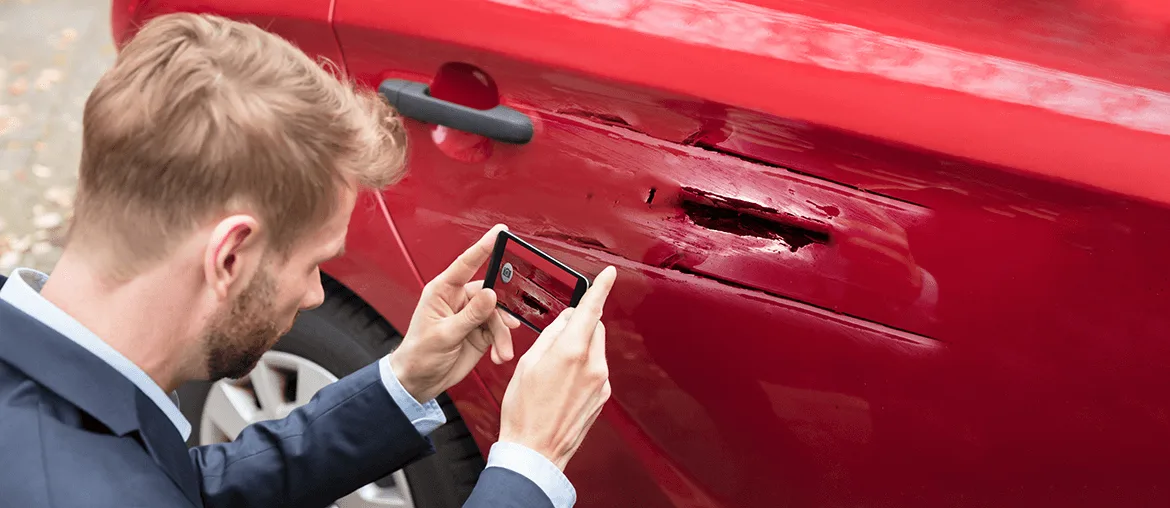
Ask ten used car shoppers what a salvage title means, and most will probably say the car was wrecked. That’s only part of the story, and that distinction is where much of the confusion begins.
A salvage title is a legal designation that can result when an insurer declares a vehicle a total loss under applicable state rules. In many cases, an insurance adjuster estimates the cost of repairs and compares it with the vehicle’s value. If the vehicle meets the state’s total-loss criteria, the insurer may declare it a total loss, and the vehicle can receive a salvage title.
A vehicle does not have to be undrivable to receive a salvage title. Some salvage-titled vehicles may still start and run, while others may have significant damage that prevents them from being safely driven.
Understanding that distinction can help you look beyond the title and evaluate a salvage vehicle based on its actual condition, damage, repair needs, and potential value. Read on for a clear salvage car definition, how these vehicles get their titles, and what to check before you buy.
Key Takeaways
- A salvage title is generally issued when a vehicle is declared a total loss or otherwise meets a state’s salvage-title criteria.
- The threshold varies by state, which is why identical damage produces different results in different places.
- Salvage-titled vehicles generally cannot be registered or legally driven on public roads until they are repaired, inspected, and retitled.
- A rebuilt title is issued after the vehicle passes the required inspection. The title brand remains part of the vehicle’s history.
- NMVTIS is the federal database that tracks title brands across state lines, with reports available through approved providers such as ClearVin.
- Common causes include collision, hail, flood, fire, theft recovery, and vandalism.
Salvage Title: Meaning
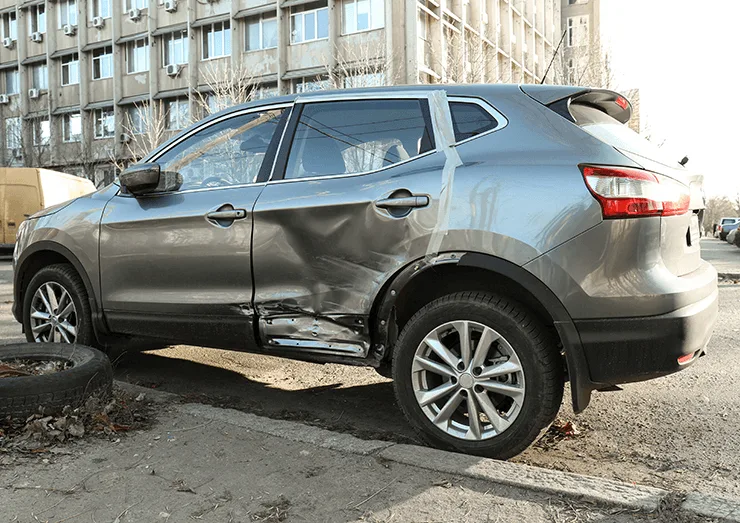
A salvage title is a state-issued vehicle title with a brand indicating that the vehicle was declared a total loss.
What trips people up is assuming “total loss” describes physical condition. It describes economics. When repair estimates reach a set percentage of a vehicle’s actual cash value, the insurer may pay out the claim rather than fund repairs, take ownership of the vehicle, and sell it to recover part of the loss.
That percentage is not uniform. States set their own thresholds, and the spread between them is wide enough to change outcomes on identical vehicles.
Examples:
- Oklahoma: 60%
- Wisconsin, Arkansas: 70%
- Alabama, Kentucky, New York, North Carolina: 75%
- Florida: 80%
- Texas, Colorado: up to 100% (using either percentage or total-loss formula methods)
Let’s now consider two vehicles caught in the same hailstorm. One is a ten-year-old sedan worth $6,000 that picks up $5,000 in dents. It gets written off. The other is a three-year-old SUV worth $40,000 with the same dents. It goes to a body shop, comes back to its owner, and may keep its clean title.
Nothing about the hail differed. The math did.
How Does a Car Get a Salvage Title?

Six common causes can result in branded titles, and knowing which one applies can tell you a great deal about what you would be buying.
Collision is the most common. A crash generates an estimate, and if the repair cost meets the applicable threshold, the insurer may write the vehicle off. Severity ranges from a folded front clip to structural damage running through the pillars.
Hail sits at the opposite end of the risk spectrum. Hail can damage sheet metal and glass without necessarily affecting the drivetrain, so a hail-damaged vehicle may have little or no mechanical damage.
Flood damage deserves more caution than collision or hail damage. Water can reach wiring harnesses, control modules, and connectors, and the problems it creates may not appear immediately. Many states apply a specific flood title instead of a general salvage designation, which makes the history visible on the paperwork.
Fire damage varies enormously. Engine compartment fires can cause extensive damage, and the outcome depends on how quickly the fire was contained and what components it reached.
Theft recovery works differently. When a stolen vehicle stays missing past the insurer’s waiting period, the claim may be paid, and ownership may transfer to the insurance company. If the vehicle turns up afterward, the insurer may send it to auction. These cars may be missing major components rather than having significant collision damage, which can make them appealing to rebuilders who can source parts.
Vandalism rounds out the list. Broken glass, damaged paint, and slashed interiors can make these vehicles look rough while leaving them mechanically unaffected. They can be among the easier projects at auction.
Salvage Title vs. Rebuilt Title
These describe two points in the same vehicle’s timeline, and confusing them can create real problems for buyers.
| Salvage Title | Rebuilt Title | |
| Legal to drive | Generally no | Generally yes |
| Can be registered | Generally no | Generally yes |
| Inspection status | Not yet inspected | Passed inspection |
| Insurance | Coverage options vary | Liability generally available; comprehensive and collision vary |
| Brand permanence | Permanent | Permanent |
A salvage title means the write-off happened and the vehicle has not yet been repaired and retitled. The vehicle generally cannot be legally driven on public roads.
A rebuilt title, which some states call reconstructed or prior salvage, comes after repairs and a state inspection. From that point, the vehicle can generally be registered and driven, subject to state requirements.
The inspection is the key dividing line, and how it works depends on where you are. Some states send you to a DMV inspector. Others use state police. A handful require repairs to be performed by a licensed rebuilder, while at least one, Rhode Island, requires the inspection to be performed by a shop that did not perform the repairs.
For a closer look at how the two designations affect ownership costs and resale, check out our comparison of salvage vs clean title cars.
Pros and Cons of Buying a Salvage Title Car
The appeal is the discount. Branded-title vehicles sell for less than identical clean-title examples, and the discount can become more significant as vehicle value increases. A buyer who can handle the repairs can take advantage of that price difference.
Salvage title vehicles also offer flexibility that other categories do not. On a cosmetically damaged car, you decide how much work to do. Fix everything, fix what bothers you, or fix nothing at all.
Against those benefits, there are three important drawbacks to consider.
Resale value is typically lower because the brand follows the title through every future sale. Financing can be more difficult because some lenders decline branded titles, which may also narrow the pool of buyers when you decide to sell. Insurance options can vary as well: liability coverage is generally available on a rebuilt vehicle, while comprehensive and collision coverage depend on the carrier.
Repair estimating is one of the key skills in determining whether a salvage vehicle is a worthwhile purchase. Getting good at it takes practice, and our guide on how to calculate the salvage value of a car walks through the arithmetic.
Can You Drive a Salvage Title Car?
Not until it has been repaired, inspected, and retitled. In general, a vehicle carrying an active salvage brand cannot be legally registered for road use. Still, some states, such as Montana and South Dakota, may allow salvage vehicles to be registered for parts-only, off-road, or other restricted use without rebuilding.
The process for getting the vehicle back on the road usually follows these steps:
- Complete the repairs, keeping receipts for every major component part.
- Photograph the vehicle before work begins, where your state requires it.
- Schedule an inspection with whichever agency your state designates.
- Pass the inspection, which may verify VINs, document repairs, and confirm compliance with state requirements.
- Apply for the rebuilt title using the completed inspection certificate.
- Register the vehicle and arrange insurance.
Step three is where state differences matter most, and requirements can vary more than most buyers expect. The process can take significantly longer in some states, particularly where inspection appointments are limited.
If you are buying from out of state, confirm two things before bidding: your state’s inspection requirements and whether your state accepts that particular brand. There are also states that may not accept certain out-of-state title designations, even after repairs.
How to Check a Car’s Title History
A title-history check takes about twenty minutes and can reveal problems worth knowing about before you bid.
Start with an NMVTIS-approved vehicle history provider. According to the U.S. Department of Justice, consumers can obtain a vehicle history report through an approved third-party provider such as ClearVin. These reports can show title brands, odometer information, and other data reported to NMVTIS. Additionally, ClearVin works with trusted data partners, including salvage auctions, to provide information on salvage auction history and images, liens and impound records, and other useful vehicle data.
NMVTIS also tracks title brands across state lines, which can help identify title washing—the practice of retitling a branded vehicle in a different state to make the designation disappear.
Next, run the VIN through NHTSA for open recalls. That check is free.
Note: On an auction lot page, title status is generally disclosed before bidding, so the brand is typically known in advance rather than being a surprise at pickup.
Is a Salvage Title Always a Bad Deal?
No, and framing it that way misses how varied these vehicles are.
The cases where a salvage title works well share a common feature: the damage is contained and easy to assess. Hail and vandalism can affect appearance without necessarily touching mechanical components. Theft recoveries may need parts rather than structural repair. Both are the kind of project where a careful buyer can estimate the work accurately before committing.
Higher-value vehicles can also favor this route, because repair costs do not always increase in proportion to vehicle value while the discount can scale with the vehicle. A dented $60,000 SUV and a dented $12,000 sedan may need similar bodywork, but only one of them could produce a five-figure saving.
How AutoBidMaster Assists with Buying Salvage Title Cars
With AutoBidMaster, you can review each vehicle’s title status, damage type, photos, and other available condition details before you bid. This gives you the information you need to assess potential repairs and decide how much the vehicle is worth to you.
Private buyers can access Copart inventory without a dealer license because AutoBidMaster bids as the licensed broker. Transportation options are available to move your vehicle from the auction yard to your address, a repair facility, or a port of export. The platform can also assist with title documentation and other paperwork related to your purchase.
Browse current salvage inventory to see what the market has to offer.
FAQ
What is the difference between a salvage title and a rebuilt title?
A salvage title means the vehicle was declared a total loss and has not yet been repaired or certified, so it generally cannot be legally driven on public roads. A rebuilt title comes after repairs and a passing state inspection, and it generally allows registration and road use, subject to state requirements. Both brands stay on the vehicle’s title history permanently.
Can a salvage title be changed to clean?
No. The salvage brand generally remains part of the vehicle’s title history. A repaired vehicle can be retitled as rebuilt, which restores its legal road status, but the original salvage history does not disappear. Any listing claiming that a salvage vehicle now has a clean title should be verified through an NMVTIS-approved provider.
Is it illegal to drive a car with a salvage certificate?
Generally, yes, until it has been repaired, inspected, and retitled. A vehicle carrying an active salvage brand generally cannot be registered or legally operated on public roads. However, some states allow limited movement to a repair facility under specific conditions. For example, California allows certain vehicles to be moved to or from a garage or repair shop with a Vehicle Moving Permit (REG 172). Once it passes the required salvage inspection and receives a rebuilt or revived-salvage title, it can generally be registered and legally driven, subject to state requirements.
How much does a salvage title devalue a car?
The brand reduces resale value by 20%–40% compared with an identical clean-title vehicle, though the exact figure depends on the vehicle, damage type, repair quality, and local demand. Rather than applying a general percentage, compare local sold prices for both branded and clean examples of the same year and model.
The Bottom Line
A salvage title tells you what happened to a vehicle’s paperwork. It does not, on its own, tell you what happened to the vehicle.
Some of these cars need structural work and specialized equipment. Others need a hood and a weekend. The listing, the damage codes, the photographs, and the history report are what separate the two, and none of that research is expensive or difficult.
Buyers who do their research can find real value in this market. So take the time to understand the vehicle’s condition and history, and you’ll be better positioned to make a confident buying decision.
Sources (accessed August 2026):
- U.S. Department of Justice
- National Highway Traffic Safety Administration (NHTSA)
- National Insurance Crime Bureau – VINCheck and Vehicle Fraud Resources
- Insurance Information Institute – Insurance Total Loss Claims and Vehicle Valuation
- American Association of Motor Vehicle Administrators – Title Branding Standards

- The Advantages of Salvage Car Parts - November 3, 2025
- Buying Salvage Cars: What to Expect on Auction Day - May 22, 2025
- Is Buying a Hail-Damaged Car Worth It? A Detailed Guide - December 2, 2024