
Why Do Cars Go to Auction?

Table of Contents
- Key Takeaways
- The Short Answer
- Insurance Total Losses: The Largest Car Auction Source
- Repossessions and Lender Recovery
- Fleet, Rental, and Lease Returns
- Government and Municipal Surplus
- Theft Recoveries
- Weather Damage and Catastrophe Losses
- Where Auction Inventory Comes From: A Comparison
- What This Means for a Buyer
- FAQ
- Bottom Line
A car sitting in a salvage auction lot is not necessarily beyond repair. In many cases, it has simply crossed a threshold.
That distinction explains more about the auction market than almost any other single fact. When an insurance company declares a vehicle a total loss, it is making an economic decision, not a mechanical judgment. The car may still run, steer, and stop perfectly well. What matters is whether the estimated repair cost exceeds the limit set by state law or the insurer’s total-loss criteria.
Understanding the reasons cars end up at auction tells you a great deal about what you are actually looking at when you browse a lot listing.
Key Takeaways
- Total-loss frequency reached a record 23.1% of auto insurance claims in 2025, meaning nearly one in four damaged vehicles was declared a total loss rather than repaired.
- Insurance companies supply roughly 80% of salvage auction inventory, making them the largest source of vehicles sold through these auctions.
- Total-loss thresholds vary widely by state, ranging from 50% of a vehicle’s value in some states to 100% in states such as Texas and Colorado.
- Average collision repair costs reached $4,818 in 2025, while ADAS sensor calibrations appeared on 28.3% of repairable estimates.
- The U.S. vehicle fleet has aged significantly, with 12 million fewer vehicles six years old or newer in operation in Q3 2025 compared with 2020.
- Non-insurance salvage auction inventory typically comes from repossessions, rental and fleet turnover, lease returns, and government surplus sales.
- A rebuilt title can reduce resale value by approximately 20% to 50% compared with a comparable clean-title vehicle.
The Short Answer
Vehicles reach auction through seven main sources:
- Insurance total losses
- Repossessions
- Fleet vehicles
- Lease returns
- Government vehicles
- Theft recoveries
- Weather damage
Insurance total losses dominate the salvage market. The other categories supply both salvage and clean-title auctions. They enter the market for reasons unrelated to collision damage.
Insurance Total Losses: The Largest Car Auction Source
Insurance companies provide more auction inventory than any other source. When a claim is settled as a total loss, the insurer may take ownership of the vehicle and recover its remaining value by selling it through a salvage auction.
What “Totaled” Actually Means
A vehicle is declared a total loss when the estimated cost of repairs reaches a defined share of its actual cash value (ACV), or when another total-loss calculation applies. The decision is based on financial criteria set by state law or insurer guidelines, not simply on whether the vehicle is drivable.
States use one of two approaches:
| Method | How It Works | Example States |
| Percentage threshold | Repair cost exceeds a set percentage of the vehicle’s actual cash value (ACV) | Nevada (50%), Oklahoma (60%), Florida (80%), Texas and Colorado (100% threshold) |
| Total-Loss Formula (TLF) | Repair cost plus salvage value exceeds the vehicle’s actual cash value (ACV) | Used by roughly 21 states |
The consequence is significant. Identical damage on identical vehicles can produce different outcomes depending on where the claim is filed. A $7,500 repair on a $10,000 vehicle would trigger a total loss in a state with a 75% threshold. In Texas, where the threshold is 100% of the vehicle’s value, the same vehicle may be repaired rather than declared a total loss.
This is why many salvage auction vehicles are still rebuildable. They were totaled because the numbers no longer made financial sense, not necessarily because they were beyond repair.
Why Total Losses Keep Rising
Total-loss frequency reached 23.1% of auto insurance claims in 2025, an industry record according to CCC Intelligent Solutions. The share of vehicles declared a total loss has increased over decades, driven by three main factors.
Repair costs are rising faster than vehicle values. Average repair costs reached $4,818 in 2025. Advanced driver assistance systems (ADAS) now require calibration on 28.3% of repairable estimates, adding hundreds of dollars in additional costs per system.
The vehicle fleet is aging. As of Q3 2025, there were 12 million fewer vehicles six years old or newer on U.S. roads compared with 2020. Older vehicles have lower actual cash values (ACVs), so the same repair bill is more likely to cross the total-loss threshold.
Smaller claims are becoming less common. Roughly 26% of insurance customers now carry deductibles of $1,000 or more, and 7% report avoiding claims entirely because of concerns about rate increases. As a result, the claims that are filed increasingly involve more severe damage.
The practical result for buyers: a growing share of auction inventory consists of late-model vehicles with repairable damage rather than wrecks.
Repossessions and Lender Recovery
When a borrower defaults on an auto loan, the lender repossesses the vehicle and sells it to recover as much of the outstanding balance as possible. Speed matters, since every additional day of storage can reduce the lender’s potential recovery.
Repossessed vehicles differ from salvage inventory in an important way: they typically carry clean titles and no damage history. What brought repo cars to auction was a missed payment, not a collision.
With average new vehicle prices approaching $50,000 and higher borrowing costs putting pressure on buyers, repossession volume has increased. Much of this inventory consists of recent-model vehicles with relatively low mileage.
Fleet, Rental, and Lease Returns
This category is entirely planned. No accident or failure brings these vehicles to auction; the trigger is simply a scheduled replacement cycle.
Rental fleets cycle vehicles on fixed schedules, often after 12 to 24 months or once they reach a set mileage. Selling before major depreciation helps protect the fleet’s financial value.
Corporate and commercial fleets operate similarly, retiring vehicles at defined service intervals regardless of condition.
Lease returns arrive when a term ends and the lessee chooses not to purchase the vehicle. Vehicles that exceed mileage limits or show excess wear often move directly to wholesale vehicle auctions rather than dealer lots.
These vehicles often come with more complete maintenance records, making them among the more predictable purchases available at auction.
Government and Municipal Surplus
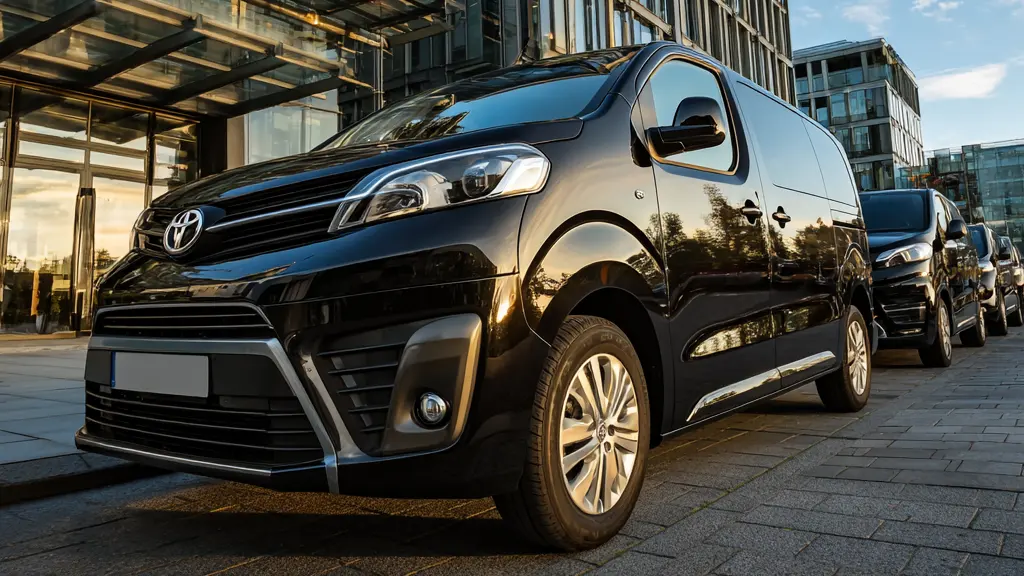
Police departments, utilities, school districts, and municipal agencies retire fleet vehicles on scheduled cycles. Public agencies are often required to dispose of surplus property through public auctions, which is why these vehicles reach the market rather than being sold through private channels.
Retired patrol vehicles are a well-known example. They often have heavy-duty components but may also accumulate substantial idle hours, which can affect engine wear in ways the odometer does not show.
Theft Recoveries
When a stolen vehicle is not recovered within an insurer’s waiting period, the claim is paid and ownership typically transfers to the insurance company. If the vehicle is later found, the insurer can sell it through auction.
These vehicles may show little or no damage. The title, however, may carry a theft-related brand depending on the state’s requirements. Our overview of what a salvage title is covers how these designations work.
Weather Damage and Catastrophe Losses
Hurricanes, hailstorms, and flooding events can produce concentrated surges in auction inventory. A single major storm can send tens of thousands of vehicles to salvage auctions within weeks.
Hail damage is one of the clearest examples of a cosmetic total loss. A vehicle covered with hundreds of small dents may be mechanically sound, yet the labor required to restore its appearance can push repair costs beyond the total-loss threshold.
Where Auction Inventory Comes From: A Comparison
| Source | Typical Title | Damage Present | What Drove It to Auction |
| Insurance total loss | Salvage | Often yes | Repair costs exceeded the total-loss threshold |
| Repossession | Clean | Usually no | Loan default |
| Rental or fleet vehicle auction | Clean | Usually no | Scheduled replacement cycle |
| Lease return | Clean | Minor wear | End of lease term or excess wear |
| Government surplus | Clean | Usually no | End of service life |
| Theft recovery | Branded | Varies | Insurance claim paid before recovery |
| Catastrophe event | Salvage or flood | Usually yes | Weather-related damage |
What This Means for a Buyer
The pathway a vehicle took to auction tells you which questions to ask.
For an insurance write-off, the key question is which total-loss threshold applies. A vehicle totaled at the 50% threshold in a state may have reached that point with significantly less damage than a similar vehicle totaled at the 100% threshold in another state, all else being equal.
For repossessions and fleet vehicles, damage is usually not the main concern. Maintenance history and prior use often matter more.
For theft recoveries, the important questions are what happened while the vehicle was missing and whether any components were removed.
Across all categories, the title brand determines how the vehicle can be used, registered, and resold afterward. A rebuilt title can reduce resale value by approximately 20% to 50% compared with a comparable clean-title vehicle, which is one reason these vehicles are available at a discount. Our comparison of salvage and clean-title cars covers the practical differences.
FAQ
Why would a car with minor damage be sold at auction?
Because total-loss decisions are financial rather than mechanical. If estimated repair costs exceed the applicable state threshold or total-loss formula, the insurer may declare the vehicle a total loss and sell it through auction, regardless of whether it is still drivable. Hail damage is a common example of cosmetic damage that can trigger a total loss.
What percentage of auction cars come from insurance companies?
Insurance companies supply roughly 80% of salvage auction inventory, making them the largest source of vehicles sold through these auctions. The remaining inventory comes from lenders, fleet operators, rental companies, government agencies, and other sellers.
Are all auction cars damaged?
No. Repossessions, lease returns, fleet retirements, and government surplus vehicles often arrive with clean titles and no damage history. They reach auction because of financial or operational decisions rather than vehicle condition.
Why are total losses becoming more common?
Repair costs are rising faster than vehicle values. ADAS calibrations, complex materials, and an aging fleet make repairs more expensive relative to actual cash value, leading to more vehicles crossing total-loss thresholds. Total-loss frequency reached a record 23.1% of crash claims in 2025.
Do auction vehicles sell below retail value?
Generally, yes. The discount reflects factors such as title status, vehicle condition, and market demand. Rebuilt-title vehicles commonly sell for 20% to 50% less than comparable clean-title vehicles, which is the trade-off buyers accept in exchange for the vehicle’s branded history.
Bottom Line
Most vehicles at auction arrived through a calculation rather than a catastrophe. Insurance total losses lead the market because rising repair costs continue to push estimates past state thresholds, contributing to record-high total-loss frequency.
The remaining inventory is driven by scheduled cycles and financial decisions: loans that have defaulted, leases that have ended, fleets reaching replacement intervals, and public agencies retiring equipment on planned schedules.
For buyers, the source is the starting point. It reveals the vehicle’s history, what the title may show, and which questions deserve attention before placing a bid.
Create a free AutoBidMaster account and browse available Copart inventory. Your next vehicle could be waiting in today’s auction.
Sources (accessed July 2026):
- CCC Intelligent Solutions Crash Course Report
- Copart, Inc. – Fiscal Q1 2026 Investor Reporting on Insurance Volume and Selling Prices
- J.D. Power – 2025 U.S. Auto Claims Satisfaction Study
- National Association of Insurance Commissioners – State Total Loss Threshold Regulations
- National Highway Traffic Safety Administration – Vehicle Salvage and Title Branding Guidance
- Insurance Information Institute – Auto Insurance Claims and Total Loss Data

- Buying Copart Vehicles in Nebraska: A Private Buyer’s Guide - October 22, 2026
- A 2026 Guide to Copart Auctions in Alaska: Public Access, Fees, and Buying Rules - October 16, 2026
- Ford F-150 Years to Avoid (and the Best Ones to Buy) - October 15, 2026