
How Car Auctions Work in Hawaii: A 2026 Guide for Public Buyers
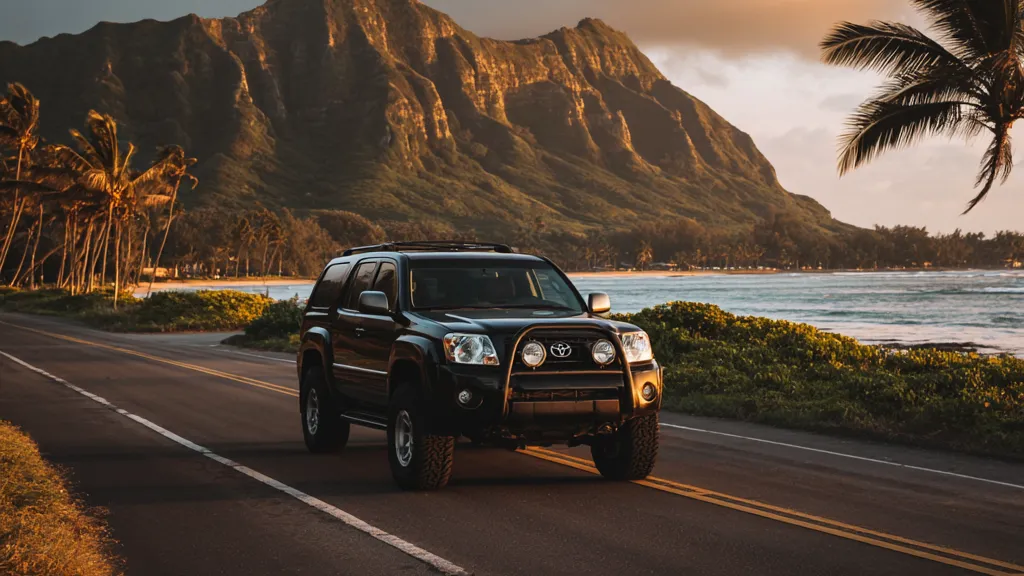
Hawaii’s auction access rules differ from what most buyers expect.
In many states, salvage vehicles carry stricter bidding restrictions, while clean-title cars are generally more accessible to private buyers. Hawaii takes the opposite approach. Vehicles with clear, clean, or standard titles require a dealer license to bid on through Copart. Salvage vehicles and boats do not.
A unique tax system, ocean freight, and restrictions on who can repair salvage vehicles make Hawaii a distinctive market for auction buyers.
Key Takeaways
- Vehicles with clear, clean, or standard titles require a dealer license to bid on through Copart in Hawaii. Salvage vehicles and boats do not.
- For in-state purchases, Hawaii uses a General Excise Tax (GET) instead of a sales tax. The maximum pass-on rate is 4.712%, including the 0.5% county surcharge.
- For vehicles purchased from out-of-state auction yards, a 4% use tax applies when the vehicle is brought into Hawaii, plus the applicable county surcharge, with credit for any qualifying tax paid elsewhere.
- Hawaii title transfer fees range from $5 to $20, depending on the county. A $50 penalty applies after 30 days.
- Hawaii car registration fees are weight-based. A 3,500-pound sedan costs roughly $380 to $390 annually in Honolulu.
- Salvage vehicles must be repaired by a licensed Repair Salvage Dealer. Owners cannot legally perform the repairs themselves.
- Ocean freight is often the highest cost after the vehicle itself and should be quoted before bidding.
Can Private Buyers Bid at Hawaii Car Auctions?
Yes, private buyers can bid at Hawaii car auctions, but access depends on the type of vehicle.
| Category | Dealer License Required? |
| Titled items (clear, clean, standard) | Yes |
| Salvage vehicles | No |
| Boats and personal watercraft | No |
For titled items, a Hawaii dealer license is required to bid directly. Private buyers can access those items through a licensed Copart broker, such as AutoBidMaster.
Salvage vehicles and boats are available without a license.
Why Many Buyers Use a Broker
The main reason is logistics, not regulations.
A vehicle purchased at a mainland yard has to clear the auction, reach a port, cross the Pacific, and then make its way to your address. That process involves more coordination than many first-time buyers anticipate, which is why a broker can be a practical option, even for unrestricted categories.
A licensed broker handles the most time-consuming parts of the process:
- Auction process management. Bidding mechanics, payment deadlines, and lot release procedures.
- Documentation. Title paperwork, ownership transfer, and guidance on the forms your local office may require.
- Transport coordination. Door-to-door delivery across the mainland and shipping arrangements to Hawaii.
- Yard communication. Storage deadlines, gate procedures, and release requirements vary by location.
AutoBidMaster’s Hawaii broker service covers both restricted titled inventory and categories you can pursue on your own.
How Bidding Works Through AutoBidMaster
- Register a free account and browse available Copart inventory.
- Select a membership tier. Tiers determine your bidding limits and access to restricted lots.
- Fund the account with a refundable deposit that activates bidding. Learn more about the security deposit here.
- Set a maximum bid. Proxy bidding competes on your behalf up to your maximum, so watching the live auction is optional.
- Pay and arrange shipping after you win.
Payment is typically due within two business days of winning. Accepted methods include wire transfer, Zelle, or MoneyGram; service fees may apply to card transactions.
Note: Review each lot page carefully before bidding. Title brand, damage codes, and other important vehicle details all appear there. See our guide to buying a used car at auction online for a detailed look at the auction process.
Understanding Hawaii’s Tax Structure
Hawaii’s tax structure differs significantly from the mainland, so make sure you understand which taxes apply before you bid.
General Excise Tax, Not Sales Tax
Hawaii does not impose a retail sales tax. Instead, it levies a General Excise Tax on businesses under HRS §237-1. The rate is currently 4% statewide, with a 0.5% county surcharge in all four counties.
Because GET is technically a tax on the business rather than the consumer, businesses may pass it on to buyers. The maximum legal pass-on rate is 4.712% in counties with a 4.5% combined GET rate.
Where the vehicle is located matters. If you purchase a vehicle from a Hawaii yard, Hawaii GET may be charged as part of the transaction. If you purchase a vehicle from a mainland yard and ship it to Hawaii, Hawaii GET generally is not charged on the auction transaction. Instead, the vehicle is subject to Hawaii’s use tax when it is brought into the state.
Note: Always check transportation eligibility before you bid, as some vehicles, particularly EVs, may have shipping restrictions.
GET on In-State Purchases
| County | Combined GET Rate | Max Pass-On Rate |
| Honolulu (Oahu), Hawaii County, Kauai, Maui | 4.5% | 4.712% |
Use Tax on Mainland Auction Purchases
Most Copart inventory available to Hawaii buyers sits at mainland yards. When you purchase a vehicle from a mainland yard and ship it to Hawaii, a 4% use tax plus the applicable county surcharge applies at registration under HRS §238-2. Hawaii credits any qualifying sales or use tax already paid in the originating state, so you are not taxed twice on the same purchase.
Note: Keep your auction invoice and any tax documentation, since you may need them to claim the credit.
What a Hawaii Purchase Costs
Registration in Hawaii is weight-based. Consider the vehicle’s weight when estimating your total costs.
Fixed fees:
- State registration fee: $46 (HRS §249-31)
- County registration fee: $20 (varies slightly by county)
- Highway beautification fee: $7-$10
- Initial plate: $5
- Emblem: $0.50
- Title transfer: $10 in Honolulu, with a $50 penalty after 30 days (applies to vehicles already registered in Hawaii)
- Safety inspection: $25.75 for cars and trucks, and $17.75 for motorcycles and trailers
Weight tax (state):
| Vehicle Weight | Rate per Pound |
| Up to 4,000 lbs | 1.75¢ |
| 4,001–7,000 lbs | 2.00¢ |
| 7,001–10,000 lbs | 2.25¢ |
| Over 10,000 lbs | $300 flat |
Counties add their own weight-based tax on top. Honolulu charges 7 cents per adjusted pound, with a $12 minimum, which is substantially higher than the rates in other counties.
Example: $5,000 Winning Bid From Out of State
| Cost Item | Amount |
| Winning bid | $5,000 |
| Hawaii car auction fees and broker fees (~15%) | $750 |
| Use tax (4.5%), paid at the Hawaii DMV | $225 |
| Registration and weight taxes (3,500 lb sedan, Honolulu) | ~$380 |
| Safety inspection | $25 |
| Mainland transport and ocean freight | Varies |
| Estimated subtotal before shipping | ~$6,380 |
Note: The final invoice generally includes the winning bid, auction fees, and broker fees. The remaining costs are separate expenses associated with taxes, registration, inspection, and transporting the vehicle to Hawaii.
Ocean freight is one of the biggest differences between buying in Hawaii and buying on the mainland. Get a shipping quote before setting your maximum bid.
Titling and Registration After You Win
You have 30 days from the transfer date to complete the title transfer. Missing this deadline triggers a $50 late penalty plus any delinquent taxes from prior registration years.
Bring the following to a county motor vehicle office or satellite city hall:
- The original certificate of title, endorsed by the seller
- Current certificate of registration
- Current Hawaii safety inspection certificate
- Government-issued photo ID
- Application for Registration (Form CS-L(MVR)1)
- Bill of lading or shipping receipt showing the vehicle’s arrival date, for out-of-state vehicles
- Payment for applicable fees
Note: Scheduling an AlohaQ appointment online is recommended, as walk-in wait times at satellite city halls can be substantial.
Vehicles already registered in Hawaii have a $5–$20 transfer fee, depending on the county. Out-of-state vehicles being registered in Hawaii for the first time are subject to standard registration and titling fees (e.g., a $10 title fee in Honolulu).
Buying a Salvage Vehicle in Hawaii
Salvage vehicles do not require a dealer license to bid, making them accessible to private buyers. The rebuild process, however, has strict requirements.
Salvage Repair Requirements
Under Hawaii law, you cannot repair a salvage vehicle yourself. Repairs must be performed by a licensed Repair Salvage Dealer (RDS), and there is no exception for skilled owners or independent shops without the designation.
RDS licensing requirements are substantial. Each must carry a $25,000 surety bond under HRS §437B-26 and employ a full-time Hawaii-licensed mechanic certified across multiple ASE specialties, including automatic transmission, brakes, electrical systems, engine, suspension and alignment, and air conditioning.
The Department of Commerce and Consumer Affairs maintains the current certified Salvage Repair Dealer Listing.
The Path to a Rebuilt Title
- Locate a licensed RDS from the DCCA listing and arrange the repairs.
- The RDS completes the repairs according to the manufacturer’s established procedures, specifications, and allowable tolerances for that specific model and year.
- The RDS signs a certificate of inspection attesting that the manufacturer’s procedures were followed, as required under HRS §286-48.
- Submit the application to your county motor vehicle office with the salvage certificate, RDS certification, prescribed bill of sale, and applicable fees.
- Receive your rebuilt title. Hawaii issues certificates bearing the words “Rebuilt Vehicle,” visually distinguished from standard titles.
Note: Counties set their own rebuilt vehicle inspection fees by ordinance, so costs vary by island.
Common Mistakes to Avoid
- Assuming salvage vehicles require a license and clean titles do not. Hawaii reverses the usual arrangement.
- Confusing GET with use tax. Hawaii-yard purchases may include up to 4.712% GET, while out-of-state vehicles are subject to a 4% use tax plus the applicable county surcharge.
- Overlooking ocean freight. Shipping is often the largest single line item after the vehicle itself.
- Missing the 30-day title transfer deadline for vehicles already registered in Hawaii. The $50 penalty is added to any delinquent taxes.
- Planning to rebuild a vehicle with a salvage title yourself. Only a licensed RDS can legally perform the work.
- Forgetting the annual motor vehicle safety inspection. All Hawaii-registered vehicles require a current certificate.
FAQ
Do I need a dealer license to buy a car at auction in Hawaii?
For vehicles with clear, clean, or standard titles, yes. Private buyers can access those lots through a licensed broker. Salvage vehicles and boats do not require a license, though many buyers still use a broker because the broker handles documentation, transport coordination, and shipping to the islands — some of the most complicated parts of the process.
What is the sales tax on auction cars in Hawaii?
Hawaii does not have a traditional sales tax. For vehicles purchased from Hawaii auction yards, a General Excise Tax (GET) of up to 4.712% may be included in the auction invoice. For vehicles purchased from out-of-state auction yards, a 4% use tax is paid at the Hawaii DMV when the vehicle is registered, plus the applicable county surcharge.
How much is the title transfer fee in Hawaii?
Title transfer fees range from $5 to $20, depending on the county. For vehicles already registered in Hawaii, a $50 late penalty applies when the transfer is completed more than 30 days after the sale, along with any delinquent taxes from prior years. For out-of-state vehicles being registered in Hawaii for the first time, standard titling and registration fees apply, with fees varying by county.
How do I register a car bought at a salvage vehicle auction in Hawaii?
The vehicle must be repaired by a licensed Repair Salvage Dealer, who then signs a certificate of inspection confirming that the manufacturer’s repair specifications were met. Submit the certificate with the salvage certificate, bill of sale, and applicable fees to your county motor vehicle office to receive a rebuilt title.
Can I repair a salvage vehicle myself in Hawaii?
No. State law requires a licensed Repair Salvage Dealer to perform the work. The RDS must certify that the manufacturer’s procedures and tolerances were followed, so owner-performed repairs do not qualify.
What is the 4% use tax?
Vehicles brought into Hawaii from another state are subject to a 4% use tax plus the applicable county surcharge when registered in Hawaii under HRS §238-2. Hawaii provides a credit for qualifying sales or use tax already paid in the originating state to prevent double taxation.
Final Checklist Before You Bid
- Confirm whether your target item requires a dealer license
- Make sure your broker account is active with the appropriate tier
- Deposit funded and payment method ready
- Ocean freight quoted and included in your maximum bid
- Applicable tax rate for your purchase location confirmed
- Title brand verified on the lot page
- RDS availability confirmed if bidding on salvage
- Safety inspection budgeted
- 30-day titling deadline noted
Final Words
Hawaii requires buyers to plan more carefully than in most states, but the rules are straightforward once you understand them.
The license requirement applies to titled inventory rather than salvage, which is the opposite of the usual arrangement. For in-state purchases, the GET pass-on rate is slightly higher than the base tax rate, while out-of-state purchases are subject to a separate use tax. The RDS requirement also means salvage vehicles must be repaired by a licensed facility rather than by the owner.
Calculate your costs before bidding, get a shipping quote early, and confirm your repair options if you’re considering a salvage vehicle. Also, check the transportation requirements for your vehicle’s ownership documents and factor shipping costs into your budget before bidding. Understanding these details upfront helps you set a realistic budget and avoid unexpected costs along the way.
Sources (accessed August 2026):
- Hawaii Revised Statutes §286-48 – Certificates of Ownership of Salvaged Motor Vehicles
- Hawaii DCCA – Motor Vehicle Repair Dealer Requirements
- DMV.ORG – Hawaii Salvaged Vehicle Regulations
- Hawaii Revised Statutes §237-1, §237-31, §238-2, §249-31, §249-33, §286-41
Disclaimer: This article on Hawaii car auction bidding is for informational purposes only and should not be considered legal, financial, insurance, or registration advice. Vehicle title, registration, rebuilt-title inspection, Hawaii auto auction rules, and insurance requirements may change and can vary depending on the vehicle, title type, buyer status, and local regulations. Always verify the latest requirements with the Hawaii Department of Transportation, your insurance provider, and other relevant authorities before bidding on or purchasing a salvage vehicle.

- 2026 Summer Rebuild Challenge: Introducing the Winners - October 27, 2026
- Buying Copart Vehicles in Nebraska: A Private Buyer’s Guide - October 22, 2026
- A 2026 Guide to Copart Auctions in Alaska: Public Access, Fees, and Buying Rules - October 16, 2026