
Damage History: What Should You Know?

Table of Contents
We know that finding a good car can be time-consuming. Imagine how difficult it was in the era of classified ads. Nowadays, people can search for cars online and find vehicles that fit their needs. But what if you’ve found a car you like and noticed an unfamiliar line that reads “damage history”? Don’t worry! It shouldn’t necessarily stop you in your tracks. We’re taking a closer look at damage history and what it means on AutoBidMaster online auctions.
What Is Damage History?
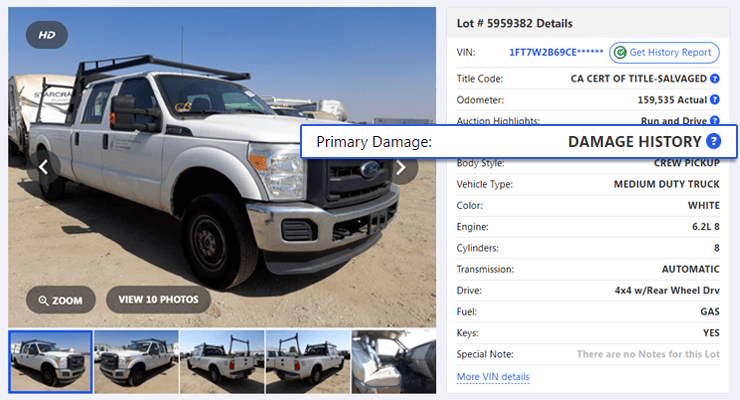
This is a relatively rare damage code. Vehicles labeled with “damage history” have sustained damage of some kind and undergone repairs before ending up at an auction yard. After repairs, the vehicle may be offered for sale at auction. Typically, an auction assigns two damage codes to each vehicle. They indicate the known or previously reported damage, but NOT its extent. Neither code is necessarily more significant than the other.
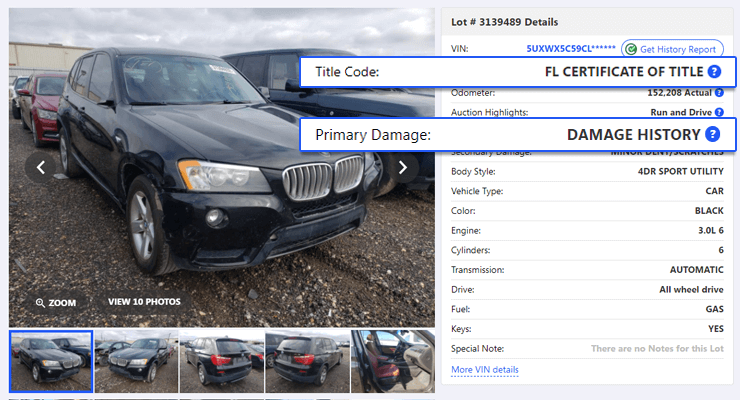
Damage history isn’t always the same as a salvage title. Not all vehicles with such a label are deemed a total loss. However, inspecting a car yourself or hiring a third party is always a good idea if you want to be on the safe side.
Types of Damage in Damage History Cars
Now that we’ve covered what “damage history” means on Copart, let’s take a look at the types of damage a car may have had before receiving this label. Damage history can be associated with different types of previous damage, so it’s important to review the vehicle’s history and condition carefully.
Collision Damage: Collision damage is probably the most common type of damage a car can have. Cars can be involved in accidents and later repaired.
There can be front-end, rear-end, side-impact, and rollover damage.
However, if the damage is minor, it may go unreported if the owner repairs it himself. If the damage is more severe, the car may be repaired and later receive a damage history label.
Water Damage: Water damage is common, especially in areas prone to flooding.
For example, Florida and Louisiana can experience severe storms that flood vehicles. If a vehicle sustains significant flood damage, it may receive a salvage title.
These vehicles can carry additional risks, so it’s important to review the vehicle’s damage history report and determine the extent of the flood damage, if applicable.
One of the main concerns with flood-damaged vehicles is electrical system failure. Water can damage electrical components and lead to ongoing problems. For this reason, carefully inspect a flood-damaged vehicle and review its history before buying.
Fire Damage: Fire-damaged vehicles are also relatively common. Cars can catch fire and sustain damage as a result.
Although fire damage can sound very serious, the extent of the damage can vary significantly. In some cases, a fire may affect only a small portion of the vehicle, such as the engine bay.
Repairing limited fire damage may be relatively straightforward, especially if only a few components or wires were affected. However, vehicles with extensive fire damage can be extremely difficult to repair, especially if the fire reaches the cabin.
Theft Recovery: Cars can be stolen and later recovered. These vehicles may be listed as theft recoveries.
However, thieves may damage the vehicle’s exterior or interior. If the vehicle is repaired after being recovered, it may have a damage history recorded in its history report.
A theft-recovery vehicle may be a good deal if the damage is limited and can be repaired at a reasonable cost. Still, you should always review the vehicle’s history and condition before buying.
Hail Damage: Hail damage is also a common reason a vehicle may have a damage history.
Hailstorms are common in states such as Oklahoma and Kansas, and many vehicles are damaged by hail each year. These vehicles may be repaired, with the damage later recorded in their vehicle history.
If a vehicle has hail damage, it doesn’t necessarily mean there are serious problems. Hail damage is often cosmetic, but it’s still important to inspect the vehicle carefully and assess the extent of the damage.
Pros and Cons of Buying Damage History Cars
Pros
Let’s start with the pros of buying damage history cars. The biggest advantage is the potential cost savings. These vehicles can be significantly less expensive than cars with clean titles, allowing you to get a vehicle at a lower price.
For example, if you have a childhood dream car, buying a damage history vehicle could give you the opportunity to own and rebuild it yourself. This can be especially appealing if you enjoy working on cars, as you can spend your free time working on a project while learning more about how vehicles work.
In addition, salvage vehicles can offer opportunities for flipping. If you’re good at finding the right deals and accurately estimating repair costs, you may be able to resell a rebuilt vehicle for a profit.
Cons
There are also some drawbacks to consider when buying a damage history vehicle. These cars may have a more complicated history, so obtaining a vehicle history report from ClearVIN is a good idea.
A damage history label indicates that the vehicle has a record of previous damage, but it does not necessarily mean that the car was involved in multiple accidents. Reviewing the vehicle’s history can help you understand what type of damage it had and how it was repaired.
Another consideration is insurability. Some insurance companies provide coverage for vehicles with salvage or rebuilt titles, while others may impose restrictions or charge higher premiums due to the additional risk.
And last but not least is the lower resale value. Vehicles with salvage or rebuilt titles typically have a lower resale value than comparable vehicles with clean titles.
Why You Shouldn’t Be Afraid of Buying a Car With Damage History
A cost-savvy buyer can see a damage history label as an opportunity. Why? Because cars with damage history can lose a significant portion of their original, pre-accident value. Still, you have to be cautious with such vehicles. Verify their condition, gather as much information as possible about the cause of the damage and how it was repaired.
Check a Car’s Damage History

In the age of technology, getting information about a vehicle is pretty simple. We recommend getting a ClearVIN VIN Check Report that includes data from multiple sources and provides maintenance records, car title history, auction sales, and recalls, if any. Furthermore, car dealers can use the DMV vehicle records included in car history reports from our partner.
Verifying a car’s damage history is a no-brainer with ClearVIN. You can run a free VIN check and obtain the most accurate picture of the vehicle’s past. ClearVIN also offers fast and easy access to the original Ford Window Sticker by VIN.
Final Word

Buying a car sight unseen isn’t necessarily as risky as it once was. Even the label “damage history” shouldn’t discourage you from considering a vehicle. Nevertheless, we have more than 100,000 other options if such cars aren’t for you. Affordability, transparency, and simplicity are the factors our customers appreciate.
Become one of our members by signing up, uploading a copy of your government-issued ID, and placing a refundable security deposit. Don’t forget to choose a membership plan, and then you’re ready to bid!
At AutoBidMaster, we’re happy to answer your questions about auctions, bidding, shipping, and anything in between. You can reach us at +1 (503) 298-4300 (4:00 AM–4:00 PM PST, Monday through Friday). Alternatively, you can contact us or email hello@autobidmaster.com.
Happy bidding!
Damage History Cars FAQ
Now let’s answer some frequently asked questions.
What is damage history?
Damage history is a label indicating that a car was involved in an accident or sustained other damage before it ended up in the salvage yard.
It’s important to note that this was not the most recent damage and was not the reason the car ended up at the salvage yard. The damage occurred in the past, and the car was repaired before being listed again.
These cars can be riskier than vehicles with no previous damage because a damage history indicates that the vehicle has sustained damage in the past and may have been involved in more than one incident.
What does damage history mean on Copart?
Damage history is a label given to a car with previous damage when it ends up in a salvage yard again.
This means that the car has a recorded history of damage. The type of damage can vary from vehicle to vehicle. It can include collision damage, theft recovery, hail damage, and more.
That’s why you should learn more about the vehicle and find out what type of damage it had in the past. You can do this by getting a report from ClearVIN. This report can provide information about the vehicle’s previous damage and help you better understand its history.
What does salvage history mean?
Salvage history refers to a vehicle’s recorded history of previous damage or loss.
This means that the car has sustained damage in the past and may have been repaired before being listed at a salvage auction.
Cars with a history of previous damage can be riskier than vehicles with no reported damage history. However, this does not necessarily mean that the vehicle is unsafe or a poor choice. That’s why we recommend getting a report for the specific vehicle to find out what type of damage it had in the past and how it may affect the vehicle’s condition.
How safe is it to purchase a car with damage history?
Buying a car with a damage history label can be a reasonable option. Even if a car has a damage history, the previous damage may have been repaired and may not be the reason the vehicle ended up in the salvage yard.
You can also get a report for the specific vehicle. This can help you learn more about the type of damage the car sustained in the past.
How can I check the car damage history?
You can check a car’s damage history by getting a vehicle history report. There are several services, such as ClearVIN, where you can purchase a report using the vehicle’s VIN.
If you are an AutoBidMaster member, you may also have access to a certain number of free reports each month, depending on your membership type.
These reports contain a lot of useful information, including records of previous damage and accidents. Reviewing this information can help you make a more informed decision about your purchase.
What to pay the most attention to when buying a car with damage history?
When you find a car with a damage history label, one of the first things you should do is get a vehicle history report. Get a ClearVIN report using the vehicle’s specific VIN.
The report can provide useful information, including the type of damage the vehicle sustained in the past. Reviewing this information can help you identify potentially problematic vehicles and make a more informed purchase decision.
What types of damage history to avoid?
We recommend being especially cautious with cars that have been affected by flooding. Flood damage can lead to problems that persist long after the vehicle has been repaired.
Common issues with flooded vehicles include electrical problems, warning lights, and malfunctions in various electrical systems. These issues can be difficult and expensive to diagnose and repair.
Overall, a vehicle with a history of flood damage can require significant ongoing repairs, so it’s important to review its history carefully before making a purchase.

- The Advantages of Salvage Car Parts - November 3, 2025
- Buying Salvage Cars: What to Expect on Auction Day - May 22, 2025
- Affordable Luxury: The Best Budget Luxury Cars for Families in 2024 - November 21, 2024