
Should You Buy a Theft-Recovered Car? The Complete 2026 Buyer’s Guide
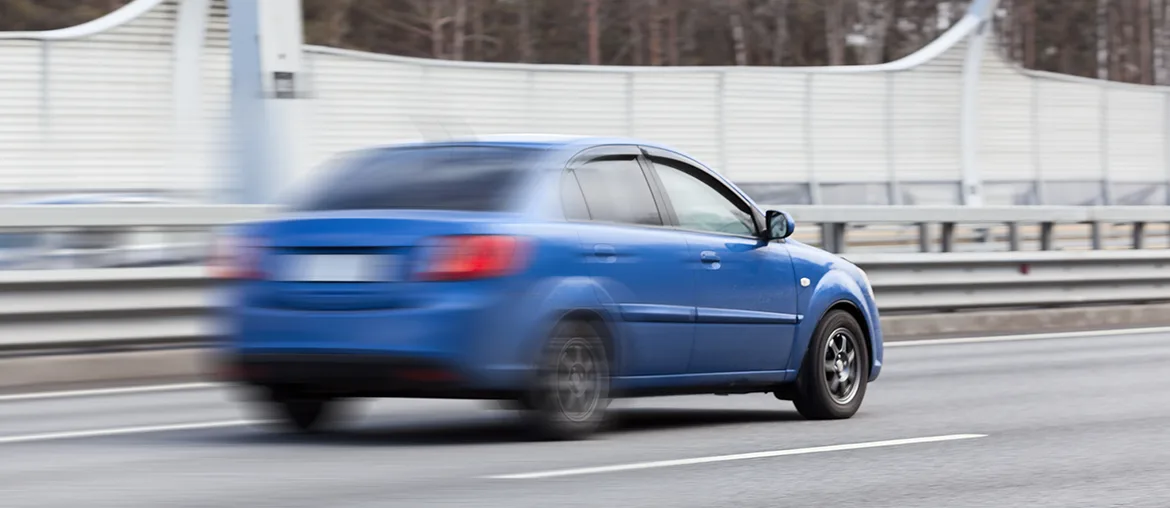
If you’ve been browsing auto auctions lately, you’ve probably come across listings marked “theft recovery” and wondered whether buying a theft-recovery car is a good idea. The honest answer: it depends entirely on what the thieves did to that vehicle. Some theft-recovered cars are near-pristine with nothing more than a broken ignition. Others have been stripped to the bones. Knowing the difference before you bid is everything.
Key Takeaways
- Theft-recovered vehicles are written off by insurance companies after the 30-day claim window, not because they’re mechanically destroyed, making many of them structurally sounder than collision-damaged cars.
- Auction prices typically run 20–40% below comparable cars with a clean title.
- The most common damage is cosmetic or mechanical: broken ignition cylinders, stripped interiors, and missing catalytic converters.
- A theft recovery title is a form of salvage branding in most states. It’s not the same as a rebuilt title, and this distinction matters for insurance and resale.
- Full comprehensive insurance coverage is harder to secure on branded-title vehicles; many major carriers will offer liability only.
- A pre-purchase inspection from an independent mechanic and a vehicle history report are non-negotiable before any bid.
- Resale value drops significantly — expect 20–30% lower than an equivalent clean-title car even after repairs.
What Exactly Is a Theft-Recovered Car?
A theft-recovered vehicle is one that was reported stolen, went through the insurance process, and was later found by law enforcement. By that point, the original owner had already been paid out. The car now belongs to the insurance company, which sends it to a car auction to recoup part of what they paid.
This is different from a car that was wrecked or otherwise damaged in an accident. The theft recovery label tells you something specific about that vehicle’s history: it was stolen. What happened to it during that time is what should drive every decision you make.
How the Insurance Payout Process Works
When a car is reported stolen, the owner files a claim with their insurance company. Most insurers have a standard 30-day waiting period before they officially declare the vehicle a total loss due to theft and pay out the claim. That total loss payout is based on the car’s actual cash value at the time of theft — not what the owner paid for it, nor what it would cost to replace it new.
Once the insurer cuts the check, legal ownership of the vehicle transfers to the insurance company. If the car turns up after the payout, which happens fairly often, the insurer takes possession of a vehicle it now legally owns and needs to sell.
According to the National Insurance Crime Bureau (NICB), approximately 56% of stolen vehicles in the U.S. are recovered, meaning insurance companies regularly process thousands of them through remarketing each year.
What Happens When the Police Find the Vehicle
Once law enforcement locates the car and the insurer takes possession, the title gets rebranded. The exact terminology varies by state — some use “theft recovery,” others fold it under the broader “salvage” designation — but the effect is the same: the title is branded. From there, the insurer typically consigns the vehicle to a wholesale auto auction, where dealers, rebuilders, and private buyers can bid on it. The auction house doesn’t set the reserve — the insurance company does, based on the estimated value minus anticipated repair costs. That’s where the pricing discount comes from, and why cars with a salvage certificate can represent real value if you know what you’re looking at.

Weighing the Pros and Cons: Is It Worth It?
There’s no universal answer here. Is it safe to buy a theft-recovered car? It can be, but the margin for error is thin. The decision comes down to the condition of that specific vehicle, your mechanical knowledge (or access to a trusted mechanic), and your ability to absorb the tradeoffs around insurance and resale.
The Biggest Pros of Buying a Recovered Vehicle
Lower purchase price. This is the obvious one. Theft-recovered cars sell at a significant discount compared to clean-title equivalents. They often sell 20–40% less at auction, depending on the vehicle’s condition and demand. That gap can represent thousands of dollars in savings on a well-maintained car that just had the bad luck of being stolen.
Structural integrity is usually intact. Unlike a car that’s been in a serious collision, a theft-recovered vehicle typically hasn’t taken any significant impact. The frame is almost always undamaged. You’re not dealing with airbag deployment, crumple zones, or hidden structural stress. The damage profile is fundamentally different from that of a crash vehicle and is usually more predictable.
Slower depreciation after the initial drop. Once a car carries a branded title, much of the depreciation hit has already been taken. The vehicle won’t lose value as rapidly from that point forward, which makes ownership cheaper over time compared to a clean-title car that’s still sliding down the depreciation curve.
For a broader comparison, it’s worth reading about the pros and cons of a salvage title to understand how theft recovery fits into the larger branded-title picture.
The Hidden Cons and Risks of Buying a Theft-Recovered Car
Financing is a real obstacle. Most traditional banks and credit unions won’t touch a salvage or theft-recovery title. If you’re planning to finance the purchase, you’ll likely need to use a personal loan or pay cash. This limits the pool of buyers and is worth factoring into your budget before you bid.
Insurance limitations. Getting liability coverage is simple. Getting comprehensive and collision coverage — the kind that would actually protect your investment if something happened to the car — is a different story. Many major carriers decline to issue full coverage on branded-title vehicles, and those that do often cap payouts at a lower amount.
Resale value takes a hit. Even after you’ve invested in repairs and brought the car up to rebuilt-title status, you’ll be selling a branded-title vehicle. Buyers know this, and so do dealers. Expect resale prices to run 20–30% below comparable clean-title cars, which is a real consideration if you’re not planning to keep the vehicle long-term.
Hidden mechanical damage from abuse. Thieves aren’t gentle drivers. Some cars are recovered after being used hard: pushed to high speeds, run with no oil, or driven recklessly until something fails. You can’t always see this damage on a walk-around. That’s why a pre-purchase inspection isn’t optional.
What to Inspect Before Buying a Recovered Stolen Car
What to know before buying a theft-recovered car comes down to this section. Here’s where to focus:
Checking for Ignition and Steering Column Damage
The ignition cylinder is almost always the first casualty. Thieves who don’t have a key typically punch, drill, or pry the cylinder out to access the wiring. Steering column covers get broken, steering locks get defeated, and door lock mechanisms get damaged during forced entry.
None of this is catastrophically expensive to fix, but it needs to be properly repaired. A replacement ignition cylinder on a common domestic vehicle might run $200–$400 in parts and labor. On a European luxury car, that number can climb significantly, so always factor in repair costs when setting your maximum bid.
Inspecting for Missing Parts and Catalytic Converters
Catalytic converter theft has surged in recent years. According to the NICB, catalytic converter theft reports increased by over 1,400% between 2019 and 2025. If a car has been sitting long enough before recovery, there’s a meaningful chance the converter has been cut out.
Other commonly stripped parts include:
- Airbags
- Infotainment systems and head units
- Alloy wheels
- Navigation and stereo equipment
- Batteries
- Spare tires and jacks
Make a list of everything that’s missing before you bid, price out replacements, and deduct that from your ceiling.
Interior Condition and Potential Biohazards
This one surprises some buyers. Recovered vehicles are sometimes used as temporary shelter by thieves, and what gets left inside ranges from food trash to drug paraphernalia to biohazardous materials. Don’t treat a dirty interior as just a detailing job until you know what you’re dealing with.
A professional deep detail with biohazard cleaning protocols can run $300–$700, depending on the severity. Factor that into your cost analysis, and wear gloves during your inspection.
Verifying the VIN to Avoid Cloned Cars
This step is critical and often gets overlooked. A VIN verification is your protection against buying a cloned vehicle — a stolen car that has had another car’s VIN plates swapped onto it to make it look legitimate.
Check the following locations and make sure they all match:
- Dashboard (visible through the windshield)
- Driver’s door jamb sticker
- Engine block stamp
- Frame stamp (location varies by make)
Run a vehicle history report through a service like ClearVIN before committing to any bid. A mismatch anywhere in that chain is a hard stop — walk away, regardless of how good the price looks.
Understanding the Paperwork: From Salvage to Rebuilt Titles
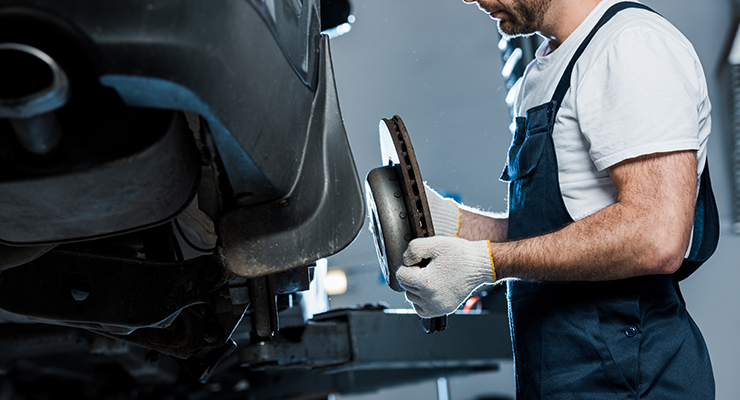
Is theft recovery a salvage title? In most states, yes — or at least it’s treated similarly. Understanding how the title system works is essential before buying salvage cars for sale.
What the Salvage Title Really Means Here
In the context of theft recovery, a salvage designation doesn’t mean the car is structurally destroyed or economically worthless. It means the insurance company administratively wrote it off. They paid the claim and took possession. The physical condition of the vehicle is a separate question entirely.
Is a theft recovery title bad? It’s a brand that follows the vehicle permanently and affects insurance, financing, and resale. But it doesn’t make the car undrivable if it’s been properly inspected and repaired.
Steps to Pass State Inspections and Get a Rebuilt Title
Is theft recovery a rebuilt title? Not automatically. You have to earn that designation through the inspection process. Here’s the general path, though specifics vary by state:
- Complete all repairs using documented, legal replacement parts
- Keep receipts for every part purchased (many states require this)
- Submit an application for a rebuilt/restored title with your state’s DMV
- Pass a state DMV inspection or state police inspection to verify the repairs and confirm the parts aren’t stolen
- Receive your rebuilt title
According to the California DMV, vehicles applying for a rebuilt title must pass a physical inspection by the DMV or a licensed inspection station before registration is approved. Similar requirements exist in most states, though the process varies.
Once you have a rebuilt title, the car is street-legal and insurable, though the branded history doesn’t disappear from the vehicle’s record.
Can You Insure and Finance a Theft-Recovered Car?
Why Getting an Auto Loan Can Be Difficult
Most traditional lenders, including banks and credit unions, use the vehicle’s title status as part of their underwriting criteria. A salvage or theft-recovery title typically disqualifies a vehicle from conventional financing because the lender can’t easily establish a reliable collateral value.
Your realistic options:
- Personal (unsecured) loan: No collateral required, but rates are higher.
- Cash purchase: Cleanest option, eliminates financing complications.
- Specialty lenders: Some lenders that focus on non-prime or alternative vehicle financing will work with branded titles, but at higher rates.
Liability vs. Full Coverage Insurance Options
Liability insurance, covering damage you cause to other people and their property, is generally available on any registered, street-legal vehicle, regardless of title status. That’s the easy part.
Comprehensive and collision coverage is where things get complicated. Many major carriers simply won’t write full coverage on a salvage or theft-recovery title. Those that do will often:
- Cap the payout at a percentage of actual cash value
- Require an appraisal before issuing the policy
- Charge higher premiums to offset the perceived risk
Shop multiple carriers before assuming you can’t get full coverage, but budget for the possibility that liability-only is your ceiling. If you’re buying a car with a theft history as a daily driver and you can’t absorb the loss if it’s totaled, that’s a real financial exposure worth considering.
The Verdict: Should You Buy a Car That Was Stolen and Recovered?
The answer depends on your situation, so always weigh the pros and cons of buying a theft recovery car.
Buy a theft-recovered car if:
- You can pay cash or have a clear financing plan that doesn’t rely on traditional lenders
- You have access to a trusted independent mechanic for a pre-purchase inspection
- You’re comfortable with liability-only insurance or have confirmed full coverage availability
- You’re planning to keep the car long enough to recover the savings through a lower purchase price and depreciation
- The specific vehicle you’re considering has a documented repair history
Skip it if:
- You’re depending on reselling quickly at full market value
- You need comprehensive financing from a traditional bank
- You can’t conduct or afford a thorough pre-purchase inspection
- The missing or damaged components push your total cost close to what a car with a clean title would run
The potential reward is real. So is the risk. What makes theft-recovery vehicles worth pursuing is the discipline of due diligence: running the VIN check, getting the inspection, and pricing out every repair before you bid a single dollar. Do that, and you’ll definitely buy a car at the right price.
FAQ
What is a theft recovery title?
A theft recovery title is a branded title issued when an insurance company pays out a theft claim and takes possession of a vehicle that is later recovered by law enforcement. The brand discloses the vehicle’s history to all future buyers and affects insurance, financing, and resale value.
Is it bad to buy a theft-recovered car?
It’s a permanent disclosure that affects what you can do with the car — not a death sentence for the vehicle itself. Properly repaired theft-recovery vehicles can be safe, reliable, and cost-effective to own. The “bad” part is the paperwork trail it leaves and the doors it closes with lenders and some insurers.
Is theft recovery a rebuilt title?
No, not automatically. A theft recovery title is a form of salvage branding. To get a rebuilt title, you must complete repairs, document them, and pass a state inspection. The rebuilt designation shows the car has been repaired and inspected. Theft recovery simply shows its history.
Is theft recovery a salvage title?
In most states, yes, the two designations function similarly. Some states have a specific “theft recovery” brand separate from collision-based salvage; others group them under the same salvage category. Check your state’s DMV for the exact terminology.
Can I buy a stolen and recovered car? What happens if I buy one?
Yes, you can buy a car with a theft recovery title. However, if you unknowingly purchase a vehicle that’s still reported stolen (as opposed to a properly processed theft-recovery vehicle), law enforcement can seize it, and you may lose both the car and your money. This is why VIN verification and a full vehicle history report are essential steps before buying any salvage or branded-title vehicle.
Are theft recovery cars worth it?
For the right buyer, yes — genuinely. The key is knowing what to look for and factoring in all repair and ownership costs upfront.
Sources (accessed April 2026):
- NICB – Catalytic Converter Theft Report
- National Insurance Crime Bureau (NICB)
- California DMV
- National Highway Traffic Safety Administration (NHTSA)

- 2026 Summer Rebuild Challenge: Introducing the Winners - October 27, 2026
- Buying Copart Vehicles in Nebraska: A Private Buyer’s Guide - October 22, 2026
- A 2026 Guide to Copart Auctions in Alaska: Public Access, Fees, and Buying Rules - October 16, 2026