
What Are the Best Cars for Taxi Work and Ridesharing?

Table of Contents
- Key Takeaways
- How We Chose These Cars
- What Actually Matters in a Taxi or Rideshare Car
- Platform Requirements You Need to Check First
- Best Cars for Taxi Work and Ridesharing at a Glance
- Best Sedans for Taxi Work and Ridesharing
- Best Hybrids for Taxi Work
- Best SUVs for Rideshare Work
- Best Vans for Taxi Work and Ridesharing
- Buying a Taxi Vehicle at Auction
- Finding the Right Vehicle Through AutoBidMaster
- What to Check Before Bidding on a Vehicle
- FAQ
- Final Thoughts
For most high-mileage taxi and rideshare drivers, the Toyota Prius, Toyota Camry Hybrid, Toyota Sienna, and Ford Escape Hybrid stand out for their combination of fuel economy, passenger space, and long-term operating costs. All four also have a solid track record in high-mileage use, with service and parts widely available.
That is the short answer. The longer one matters more, because the vehicle you choose determines whether the job is profitable.
A taxi or rideshare car works harder than almost any private vehicle. Constant idling, stop-and-go traffic, doors opening dozens of times a day, and mileage that piles up in months rather than years. A car that costs $2,000 more to run annually will erase a meaningful share of what you earn. Here is what actually holds up.
Key Takeaways
- The 2026 Toyota Prius is rated at up to 57 mpg combined, putting it among the most fuel-efficient non-plug-in hybrids available.
- Uber and Lyft generally require eligible vehicles to have clean, non-branded titles, so salvage and rebuilt vehicles may not qualify for rideshare use.
- Uber’s vehicle age requirements vary by city and ride type, so check your local eligibility rules before buying.
- Uber Comfort tightened its standard in January 2026, limiting many markets to vehicles no older than 7 model years.
- The Toyota Camry is now hybrid-only across the entire lineup, rated at up to 51 mpg combined.
- Both platforms require four doors and a minimum of five seatbelts, including the driver. UberXL requires seven seats.
- Auction platforms carry both clean and branded titles, so filtering by title status is essential for rideshare buyers.
How We Chose These Cars
We selected these vehicles based on the factors that matter most to taxi and rideshare drivers: fuel economy, long-term reliability, maintenance costs, passenger comfort, cargo space, seating capacity, used-market availability, and platform eligibility. We also considered how well each vehicle fits different types of work, from high-mileage city driving and airport trips to XL and group rides.
Fuel economy carries particular weight because taxi and rideshare vehicles can cover tens of thousands of miles each year. We also looked at whether a vehicle is practical to maintain at high mileage, has readily available parts and service, and provides enough room for passengers and their luggage. Finally, we considered current Uber and Lyft requirements where relevant, since a vehicle that doesn’t qualify for your market isn’t a useful choice regardless of its other strengths.
What Actually Matters in a Taxi or Rideshare Car
Five factors decide whether a vehicle earns money or drains it.
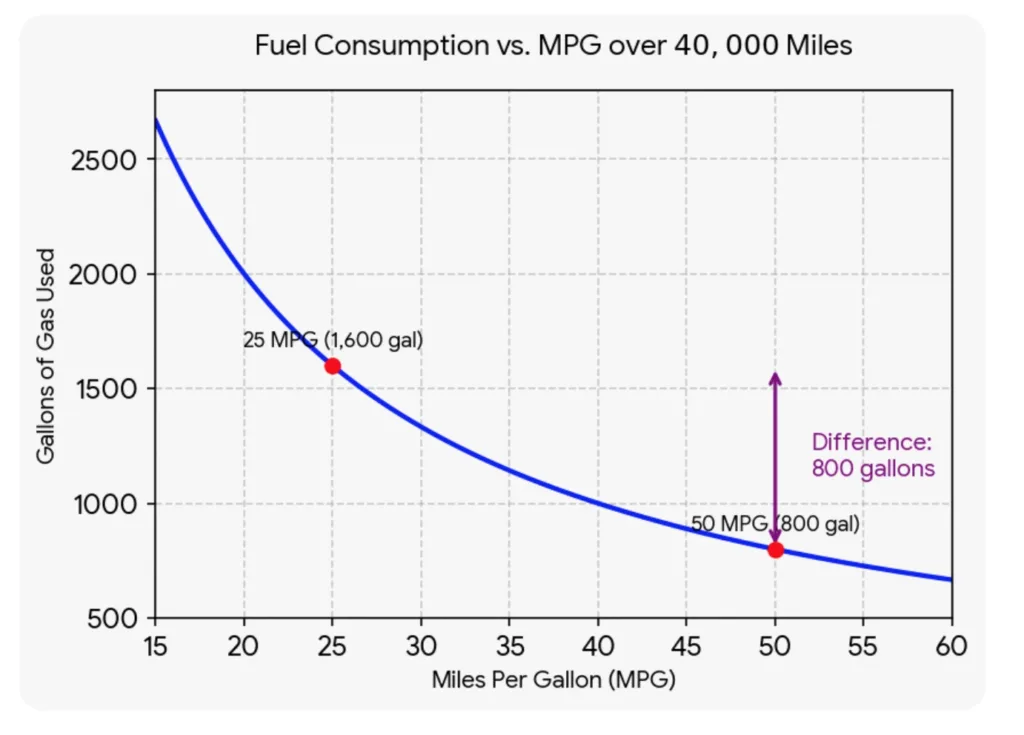
1. Fuel economy is the single largest variable cost. At 40,000 miles a year, the difference between 25 mpg and 50 mpg is roughly 800 gallons. At $3.50 per gallon, that is $2,800 annually, straight off your earnings.
2. Reliability at high mileage matters more than reliability at average mileage. A vehicle that performs well at 100,000 miles may face very different demands when it is driven for hours every day and accumulates 200,000 miles or more.
3. Maintenance costs and parts availability compound over time. A widely sold vehicle is generally easier to service, with more shops familiar with it and parts typically easier to source.
4. Passenger comfort affects ratings, and ratings affect income. Rear legroom, quiet cabins, and functioning climate control are not luxuries in this line of work.
5. Cargo space can determine whether you can take airport runs. Two large suitcases plus carry-ons is a practical benchmark, and a hybrid battery mounted in the trunk can reduce available cargo space.
One more consideration that catches new drivers: platform eligibility. Meeting the rules is not optional, and they are stricter than most people expect.
Platform Requirements You Need to Check First
Before shopping, confirm what your city allows. Both major platforms publish baseline standards, and local rules can add additional requirements.
| 2026 Requirements | Uber | Lyft |
| Doors | 4 required | 4 required |
| Seatbelts | 5 minimum (7 for XL) | 5 to 8 |
| Title status | Clean only; no salvage or rebuilt | Clean only; no salvage or rebuilt |
| Model year | Varies by city and ride type | 2009 or newer in most markets |
| Inspection | Required in most markets | Required in most markets |
| Commercial branding | Not permitted | Not permitted |
The title requirement deserves particular attention. Uber and Lyft generally do not accept vehicles with salvage, rebuilt, or other branded titles, regardless of repair quality. However, title requirements for traditional taxi and livery vehicles vary by local regulator. If you’re buying at auction, check the requirements for your intended use before bidding.
Best Cars for Taxi Work and Ridesharing at a Glance
| Vehicle | Category | Powertrain | MPG | Seats | Cargo | Best for | Used-price level |
| Toyota Prius | Best overall | Hybrid | 57 mpg | 5 | Moderate | City and high-mileage driving | $$ |
| Toyota Camry Hybrid | Best overall | Hybrid | 51 mpg | 5 | Good | All-around taxi and rideshare vehicle | $$ |
| Hyundai Sonata Hybrid | Best alternative | Hybrid | 51 mpg | 5 | Good | Highway-heavy and airport routes | $$ |
| Chevrolet Impala | Best budget used | Gas | — | 5 | Good | Budget buyers who prioritize space | $ |
| Ford Fusion Hybrid | Best budget used | Hybrid | — | 5 | Good | Affordable high-mileage driving | –$ |
| Ford Escape Hybrid | Best SUV | Hybrid | — | 5 | Good | Winter driving and airport runs | $$ |
| Toyota RAV4 Hybrid | Best SUV | Hybrid | — | 5 | Excellent | Mixed use and airport runs | $$$ |
| Chrysler Pacifica Hybrid | Best for XL | Plug-in hybrid | — | 7 | Excellent | XL, group rides, and city driving | $$$ |
| Toyota Sienna | Best for XL | Hybrid | — | 7–8 | Excellent | XL and group rides | $$$ |
Note: Vehicle eligibility, pricing, and fuel economy can vary by model year and location. The recommendations below focus on vehicles that offer a strong balance of operating costs, practicality, and suitability for high-mileage taxi and rideshare use. Always verify current platform requirements before buying.
Best Sedans for Taxi Work and Ridesharing
Toyota Camry
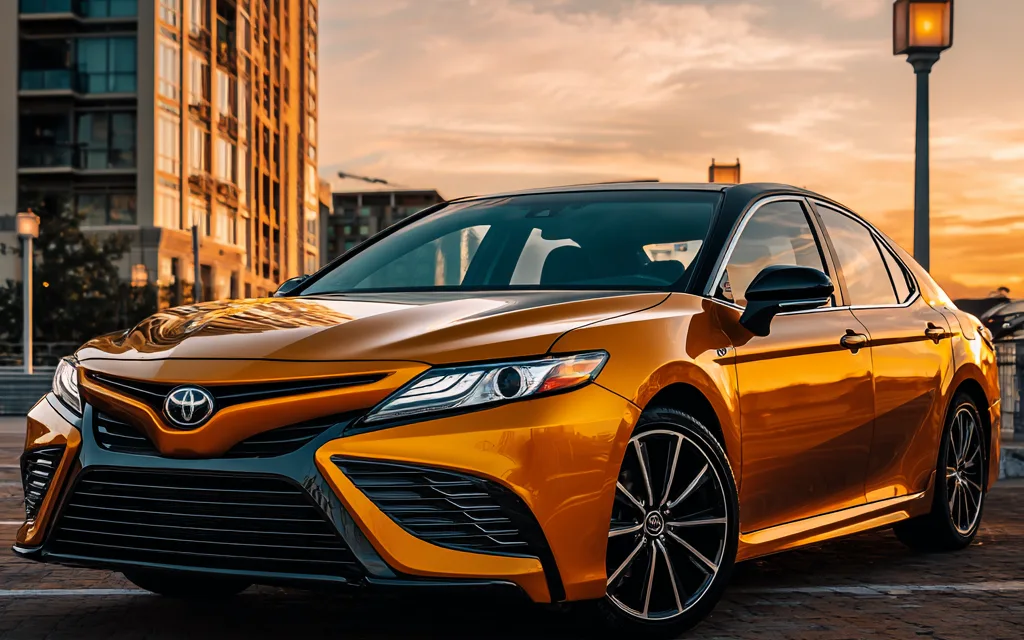
The 2026 Camry makes a strong case for taxi and rideshare work. For the 2026 model year, the Camry is offered exclusively with a hybrid powertrain. The base LE with front-wheel drive returns an EPA-estimated 51 mpg combined from a 2.5-liter four-cylinder paired with electric motors, producing 225 horsepower. Want all-wheel drive for winter routes? The AWD version still returns up to 50 mpg.
What makes the Camry well suited to this work isn’t the spec sheet, though. Toyota has been building its hybrid system since 1997, giving the technology decades of development and a large network of shops familiar with the platform. The Camry also benefits from broad parts availability, which can make taxi maintenance easier as mileage accumulates.
The back seat offers enough space for passengers to stay comfortable on typical taxi and rideshare trips.
Best for: drivers who want strong long-term reliability without giving up passenger comfort.
Chevrolet Impala
The Impala left production in 2020, which is one reason it belongs on this list. Used examples can be relatively affordable, parts are widely available, and the rear seat is genuinely spacious.
Fuel economy trails the hybrids, but the lower purchase price can make the Impala attractive to budget-conscious buyers, especially those with moderate daily mileage. For drivers covering high mileage in dense urban areas, however, the fuel savings of a hybrid may be worth the higher upfront cost.
Best for: budget-conscious buyers prioritizing passenger space and a low purchase price.
Hyundai Sonata
The Sonata Hybrid competes directly with the Camry and offers strong highway efficiency, rated at 51 mpg combined with a 47 city / 56 highway split. That highway strength suits airport routes and suburban work.
Hyundai’s warranty coverage is another advantage. If you plan to use the car for rideshare work, check the warranty terms to confirm what commercial use is covered.
Best for: highway-heavy routes and drivers who want an alternative to the Toyota default.
Best Hybrids for Taxi Work
Toyota Prius
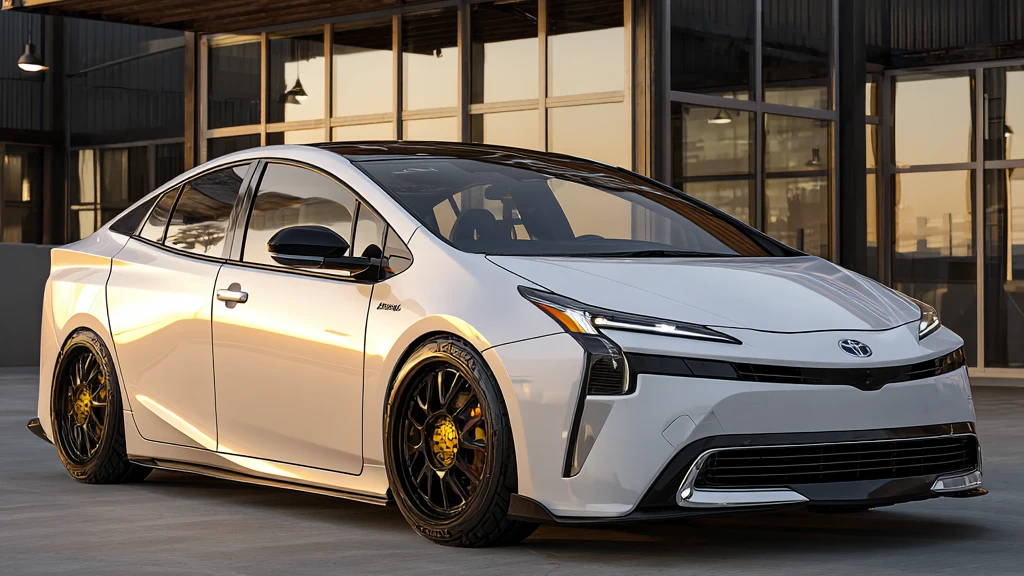
The Prius remains an efficiency benchmark. The 2026 LE front-wheel-drive model is EPA-rated at 57 city, 56 highway, and 57 combined, making it a strong choice for fuel-efficient taxi work.
Its estimated range is roughly 644 miles on a tank, which can mean fewer fuel stops for high-mileage drivers.
There is also a plug-in version rated at 127 MPGe with 44 miles of electric range. For urban drivers with home charging, a significant portion of daily driving could be done using electric power.
The tradeoff is cargo space and cabin size. The Prius is smaller inside than a Camry, and airport runs with multiple large bags require planning.
Best for: maximum fuel savings in city driving, especially for solo passengers and short trips.
Ford Fusion Hybrid
Ford discontinued the Fusion, which has made used examples affordable while the hybrid system remains solid. Real-world economy lands in the mid-40s, and the cabin is quieter and roomier than a Prius.
Since these are all used purchases now, service history matters more than usual. A well-maintained example can offer strong value, while one with a poor maintenance history may require more work.
Best for: drivers wanting hybrid fuel economy for taxi work, with a larger cabin at a lower purchase price.
Best SUVs for Rideshare Work
Ford Escape
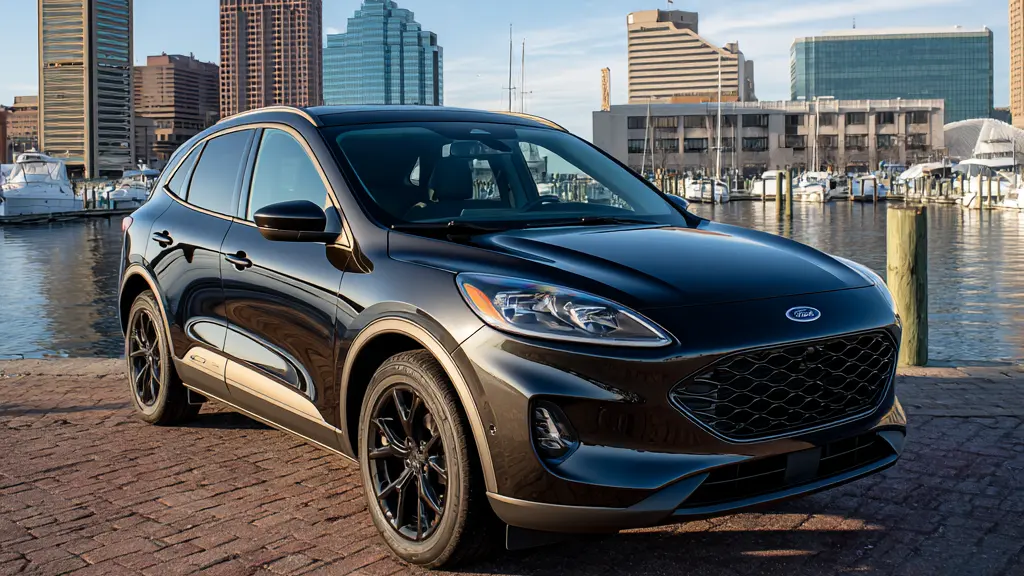
The Escape offers useful cargo capacity and available all-wheel drive, which can be helpful in snow-belt cities where winter conditions are a factor.
Hybrid versions are worth seeking out for their better fuel economy. The gas-only models are thirstier than the sedans on this list, though the extra cargo room can be useful for airport routes.
Best for: drivers in winter climates who need luggage space and available all-wheel drive.
Toyota RAV4
The RAV4 was the world’s best-selling vehicle in 2025, and its popularity also means parts and service are widely available, with many shops familiar with the model.
Hybrid versions deliver fuel economy close to a midsize sedan while offering considerably more cargo space. The rear seat also provides good passenger space.
Best for: all-around rideshare work where luggage capacity and reliability both matter.
Best Vans for Taxi Work and Ridesharing
Chrysler Pacifica Hybrid
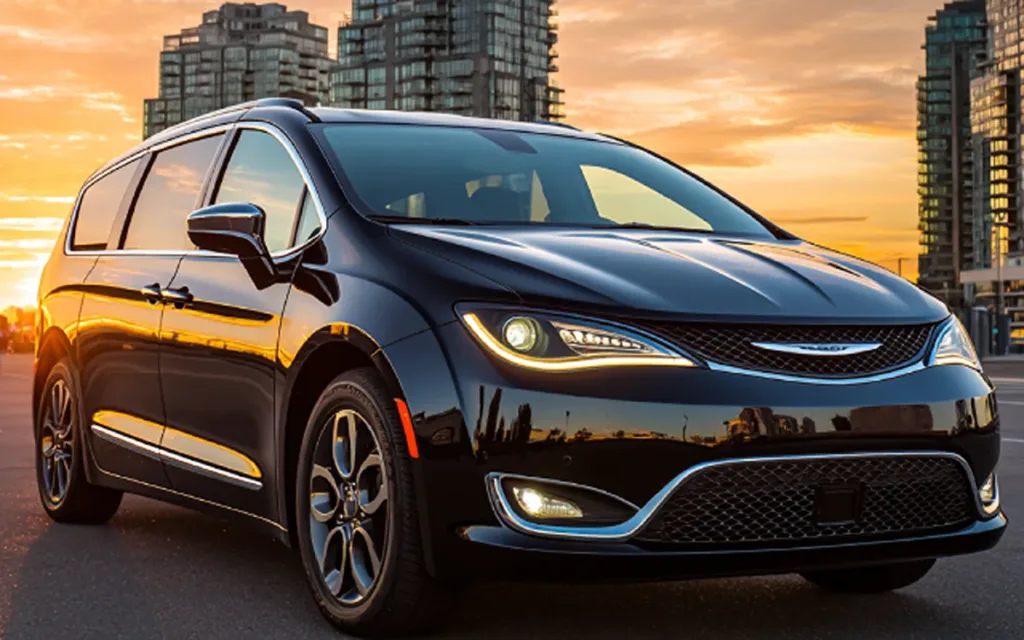
The Pacifica Hybrid offers seven seats, making it a potential fit for higher-capacity ride categories such as UberXL, depending on local requirements. The extra seating is useful for airport runs and group trips.
Its plug-in hybrid powertrain combines electric driving capability with minivan practicality. For drivers covering many city miles, the electric range can handle part of the daily driving before the gas engine is needed.
The sliding doors are useful for pickups in tight parking spaces, while the Stow-and-Go seating provides flexible cargo space for larger loads of luggage.
Best for: UberXL, group rides, and drivers targeting higher-fare tiers.
Toyota Sienna
The Sienna is hybrid-only across the lineup and brings Toyota’s established hybrid technology to the minivan segment. All-wheel drive is available, which the Pacifica Hybrid does not offer.
For drivers planning to put very high mileage on a vehicle, the Sienna is one of the stronger long-term options in this category.
Best for: long-term, high-mileage van work where durability is a priority.
Buying a Taxi Vehicle at Auction
Auction platforms like Copart and IAA offer significant savings on the vehicles above, along with a wide range of makes, models, and price points to fit different budgets. The inventory includes clean- and branded-title vehicles, including fleet returns, repossessions, and lease returns.
If you plan to use a vehicle for Uber or Lyft, check the title requirements for your market before bidding.
Note: If you don’t have a dealer license, AutoBidMaster lets you bid on eligible Copart and IAA vehicles without one.
Finding the Right Vehicle Through AutoBidMaster
Finding the right vehicle for taxi or rideshare work at auction doesn’t have to be complicated. AutoBidMaster gives buyers access to Copart and IAA inventory and provides support throughout the purchasing process.
You can review key listing details such as title status, damage type, and odometer reading before deciding which vehicles are worth considering. AutoBidMaster also offers vehicle transport and title processing services, helping you manage the purchase beyond the auction.
Looking for a specific budget? Browse clean-title vehicles that may meet rideshare requirements, or explore options under $5,000 if you’re looking for an affordable starting point.
What to Check Before Bidding on a Vehicle
1. Service history: A documented 180,000-mile Camry can be a better choice than a neglected 90,000-mile example.
2. Hybrid battery condition: Check the battery on any hybrid purchase. Replacement costs vary considerably by model.
3. Signs of previous commercial use: Rear-seat and door wear can suggest a vehicle was previously used for taxi or rideshare work.
4. Model year: Check your city’s eligibility requirements before bidding. A vehicle that doesn’t meet local platform requirements won’t qualify for rideshare work.
5. Rental and fleet history: Former rental and fleet cars can be worth considering. They often cycle out on fixed schedules and may come with maintenance records and clean titles.
FAQ
What are the most reliable taxi work cars?
The Toyota Prius is one of the strongest choices for high-mileage work because of its fuel efficiency, long-running hybrid platform, and wide availability on the used market. The Camry Hybrid is a good alternative if you need more rear-seat space. For van work, the Sienna is a strong option for drivers planning to put high mileage on their vehicle.
Which car is best for Uber and Lyft?
For standard UberX and Lyft rides, the Camry Hybrid is a strong all-around choice, offering up to 51 mpg combined and a comfortable passenger cabin. If you mostly drive short city trips, the Prius offers even better fuel economy at 57 mpg combined. For higher-capacity rides such as UberXL, look for a vehicle with at least seven seats, such as the Pacifica Hybrid or Sienna, where permitted.
Can I buy a salvage car for taxi use?
For Uber and Lyft, vehicles with salvage, rebuilt, or other branded titles generally aren’t eligible. However, traditional taxi and livery operations may have different rules, which vary by city and local regulator. If you’re considering a branded-title vehicle for taxi use, check your local requirements before you bid.
What is the best used car for taxi work under $5,000?
Look for an older Prius or Camry with a documented maintenance history. At this budget, service records can tell you more than the odometer alone. A well-maintained Prius with 190,000 miles may be a better choice than one with 130,000 miles and no records. Just verify that the model year meets your city’s requirements before buying. New York and San Francisco have tighter vehicle-age rules than many other markets, so a cheap car that doesn’t qualify may not be a good fit for taxi or rideshare work.
Final Thoughts
The math on taxi work is unforgiving. Fuel and maintenance costs add up quickly, and a poor vehicle choice can quietly reduce your income every shift.
The vehicles on this list share the same qualities: efficiency, durability at high mileage, and parts availability that helps keep repair costs manageable. Together, these qualities can help keep taxi operating costs manageable while providing the durability needed for high-mileage work.
Check your city’s specific requirements first, verify title status before bidding, and prioritize service history over odometer reading. Get those three things right, and the vehicle will become a more predictable part of your business.
Found a vehicle you like at auction? Before you bid, get a vehicle history report to check its past and make sure it’s a good fit for your needs.
Sources (accessed August 2026):
- Uber — Vehicle Requirements — vehicle age, doors, branding, and general eligibility requirements.
- Uber — Eligible Vehicles by City — vehicle eligibility varies by location and ride type.
- Uber — UberXL Vehicle Requirements — XL vehicle requirements and seating.
- Lyft — Vehicle Requirements — four-door and 5–8 seatbelt requirements.
- Lyft — State and City Requirements — location-specific requirements and 2026 vehicle-age changes.
- FuelEconomy.gov — Official U.S. Fuel Economy Guide — EPA fuel-economy ratings.
- Toyota — 2026 Prius Specifications — 2026 Prius MPG and specifications.
- Toyota — 2026 Camry — all-hybrid powertrain and up to 51 mpg combined.
- Toyota — 2026 Sienna — hybrid powertrain, available AWD, seating, and fuel economy.
- Toyota — 2026 Prius Plug-In Hybrid Specifications — plug-in hybrid specifications and electric-driving information.

- Daniel Mac’s 1987 BMW E30 Convertible Is Heading to Auction - November 9, 2026
- Buying Copart Vehicles in Montana: A Private Buyer’s Guide - November 3, 2026
- 2026 Summer Rebuild Challenge: Introducing the Winners - October 27, 2026